Why Do Watch Bezels Fade? Causes and Materials
In this article
Watch bezels fade because ultraviolet light from the sun is the primary culprit, breaking down the anodized colored oxide layer on aluminum inserts over time. Chemical exposure and physical wear can accelerate the process, but UV sets the decline in motion.
The Anodized Surface That Holds the Color
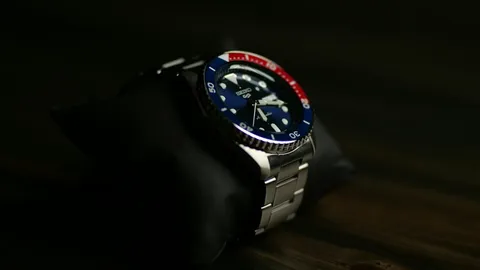
Aluminum bezel inserts get their color through anodization, a process that creates a vibrant colored oxide layer on the metal. That layer is not paint sitting on top of the surface; it is part of the aluminum, which is why it can look deep and metallic at first. On a dive watch, that insert sits inside a unidirectional bezel that only turns one way, a design meant to keep elapsed-time markings from moving the wrong direction underwater. The same insert that survives a dunking, however, is still vulnerable to the slow chemistry of daily life. Aluminum bezels gradually bleach over years of sun exposure. The colored oxide layer degrades when exposed to various factors, and once the anodized coating starts to break through after enough UV exposure, the fade becomes visible.
That does not mean every bezel dies at the same rate. The surface can lose saturation in patches, and the change is often subtle at first: a red marker that looks slightly orange, a blue that turns grayish, a black that seems less deep. Fading does not simply erase color; it alters luster and texture as well.
Sunlight, Salt, and Other Accelerants
The usual breakdown list for bezels includes UV, salt, and sulfur. UV is the primary driver, but the other two can speed up what sunlight begins. Chlorine or salt water can accelerate fading, which is one reason a beach watch may look older than a desk watch from the same year. Sweat, saltwater, and various chemicals can lead to the bezel fading over time, and even painted metal bezels on non-dive watches are affected by exposure to sunlight, humidity, and temperature.
This is where the material story matters. Aluminum ages and starts to fade due to aging and natural oxidation. The metal itself is not rusting away like iron, but its surface chemistry is changing. A watch that spends its summers in direct sun, gets splashed in the sea, and is rarely rinsed will show those conditions long before a closet queen does.
Rinsing away salt and sweat with a gentle approach—see this guide to cleaning a watch without ruining it —reduces the chemical load, but it cannot reverse oxidation that has already occurred. Once the oxide layer has faded, polishing or cleaning may brighten the metal temporarily, but it will not restore the original anodized depth.
Friction, Scratches, and the Wrist Factor
Light is not the only enemy. Physical wear and tear from friction and scratches contributes a subtle loss of color and luster. Every brush against a doorframe, every slide across a desk, and every grain of sand trapped between bezel and case leaves a tiny mark. Sweat on your wrist can cause friction, leading to scratches or discolored bezels, especially if the watch is worn loose and moves around during the day. Scratches add to destroying the look of the bezel over time, not because they remove the whole color layer at once, but because they scatter light and break up the surface.
Aluminum is a softer material than ceramic, so it is more prone to scratches. That is one reason modern bezels moved toward ceramic inserts that resist abrasion and hold their color differently. Ceramic has its own failure modes, but it does not anodize or bleach the way aluminum does. On an aluminum bezel, the combination of fading and scratching is what makes an old dive watch look genuinely old rather than merely used.
Why No Two Bezels Age Alike
Two watches dipped in the same batch can have different results when exposed to the same elements. One may keep a richer tone because it spent more time under a sleeve; another may look washed out because it lived on a wrist during long, bright summers. The fade can be uneven, creating unique patinas that subtly alter color, luster, and texture. That uneven change is closer to the warm, organic aging seen on bronze watch cases and their patina than to a simple mechanical defect. Some collectors seek out that look; others send the watch for a replacement insert. Either way, the bezel becomes a record of where the watch has been.
If you want to train your eye for these subtle differences, a daily guessing game like Watchdle can make the details pop. The more bezels you compare, the easier it becomes to tell a naturally faded insert from a scratched one, a sun-bleached blue from a deliberately aged finish.
What Actually Changes on a Faded Bezel
The visible result is a combination of effects. Years of sun exposure gradually bleach aluminum bezels. Sunlight and friction make them fade, scratch, and discolor. The anodized coating starts to break through after prolonged UV exposure, and the colored oxide layer continues to degrade as the watch is worn.
That is why a bezel can look different in different light. The color is no longer a uniform oxide layer; it is a patchwork of intact pigment, oxidized metal, and micro-scratches. A red triangle may turn pinkish, a blue ring may look slate, and a black bezel may develop a gray sheen. None of this happens on a schedule. It depends on hours in the sun, exposure to chlorine or salt water, how much the wearer sweats, and how often the watch is cleaned.
FAQ
Why can two watches from the same production batch fade differently?
Even inserts made together can end up with different results when exposed to the same elements. Sunlight, sweat, chemicals, and physical contact rarely hit two watches in identical doses, so one bezel may retain more color while the other looks washed out.
Which colors on a Rolex aluminum bezel tend to fade first?
Reds fade first, while blues and blacks hold their vibrancy longer. Sunlight’s UV rays gradually break down the colored oxide layer, and that process is particularly hard on red hues.
Were older Rolex bezels made from a different material?
Yes, older reference models used aluminum bezels. Those older aluminum inserts react to UV light.