Pepsi Bezel: Why Watch Collectors Use The Name
In this article
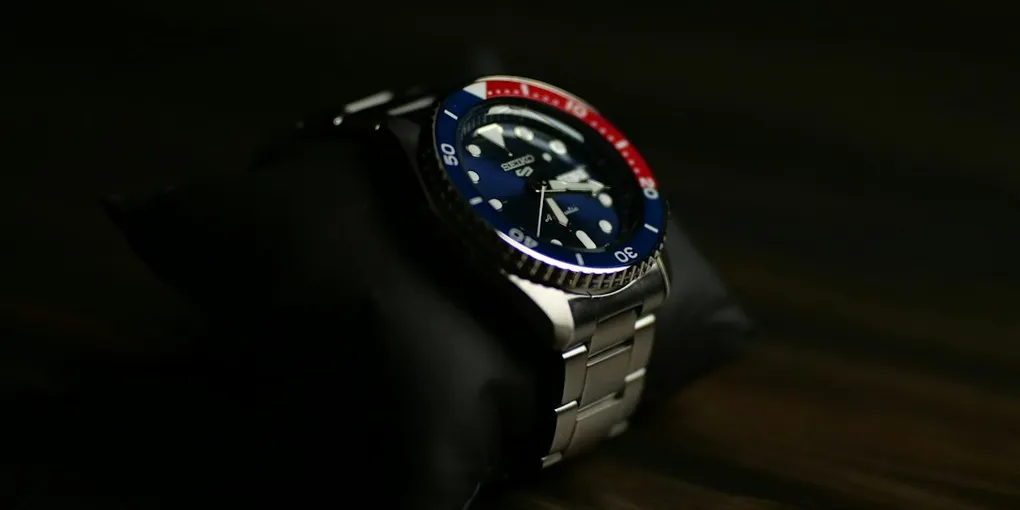
A Pepsi bezel is the collector nickname for a Rolex GMT-Master or GMT-Master II fitted with a two-color red and blue 24-hour bezel. The label comes from the soft drink’s red-and-blue color scheme, not from a formal watchmaking term.
The Cola-Colored Ring Behind The Nickname
Watch nicknames tend to stick when a dial or bezel resembles something already lodged in the brain. The language of watch nicknames has room for animals, places, desserts, and fictional characters; the Pepsi label belongs in that informal vocabulary. On the Rolex GMT-Master reference 6542, the bezel carried a red and blue color scheme, and collectors gave that combination a nickname: the Pepsi bezel. The reason was straightforward: the color scheme was reminiscent of the well-known cola brand. No technical abbreviation, no catalog code, just a visual comparison that did the memory work for them. The phrase is useful precisely because it is not abstract. It points to a color arrangement you can picture before you know the reference number, the case size, or the movement inside. That immediacy is why the name feels less like a marketing decision and more like something a group of enthusiasts would invent over a table of open catalogs. A nickname has to be memorable to survive; “Pepsi” passes that test without needing an explanation longer than the bezel itself.
What The Red And Blue Halves Signal
The two halves of the bezel are functional markers, not a random contrast. On the 24-hour scale, the red half covers day hours from 06:00 to 18:00, while the blue half covers night hours from 18:00 to 06:00; in short, red marks daytime and blue marks night. That split gives the bezel its logic. It also explains why the color scheme survives as more than a fashion choice: the eye can separate day from night at a glance. A GMT bezel is not simply a ring with two colors applied to it; the colors carry meaning, and the boundary between them helps the wearer read the scale. For background on the format itself, this explanation of what a GMT watch is covers the separate 24-hour display. Once you understand that division, the nickname becomes easier to appreciate. The cola comparison is playful, but underneath it sits a clear day/night system that makes the two-tone design useful rather than decorative.
How Reference 6542 Turned A Color Scheme Into A Handle
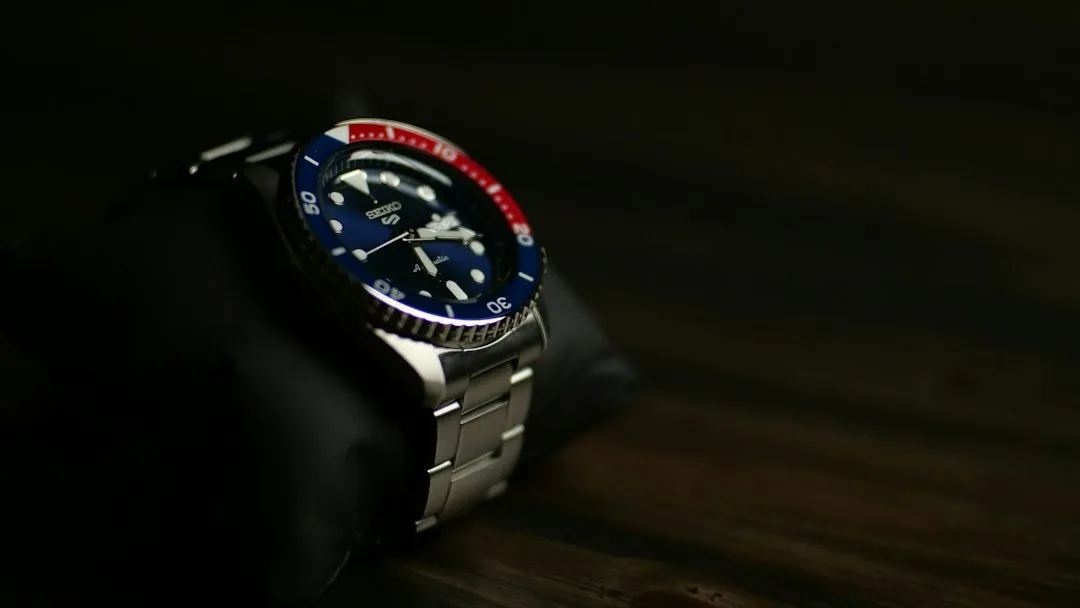
Collectors often compress a watch into a few syllables. Reference 6542 already has numbers to remember; adding “Pepsi” turns the bezel into a recognizable image. The nickname describes the red and blue ring, not a movement, case material, or dial variant. That is why the term can travel from one conversation to another without a catalog in hand. It also shows how much of watch culture lives in these informal handles: a color combination becomes a name, and the name becomes a shortcut. The phrase is not a secret code. It is closer to a label on a map—once you have seen the colors, the word makes immediate sense. That kind of shorthand is especially handy when a watch family spans multiple versions, because the nickname identifies the bezel treatment before the finer details enter the discussion. It also keeps discussion human. A reference number is useful for precision, but a nickname is useful for recognition, and recognition is usually where a conversation begins.
Why A Nickname Travels Better Than A Reference Number
A reference number is precise but not visual. A nickname gives the eye something to hold. When the red and blue halves sit on a 24-hour ring, the comparison arrives before the technical explanation. That is the odd charm of the Pepsi bezel: it is a casual name wrapped around a serious instrument. The term survives because it describes exactly what the eye sees. A collector can say “Pepsi” and skip a paragraph of description; the listener knows which color arrangement is under discussion. There is a trade-off, of course. Nicknames can be imprecise, and they depend on shared references. But that is also their strength: they turn a group of visual details into a compact piece of language. The name works best as a starting point, not the final word. It opens the door to the reference number, the bezel construction, and the rest of the watch. Without the nickname, the same conversation might begin with a catalog lookup; with it, the conversation begins with a picture.
Where The Term Fits In Collector Conversation
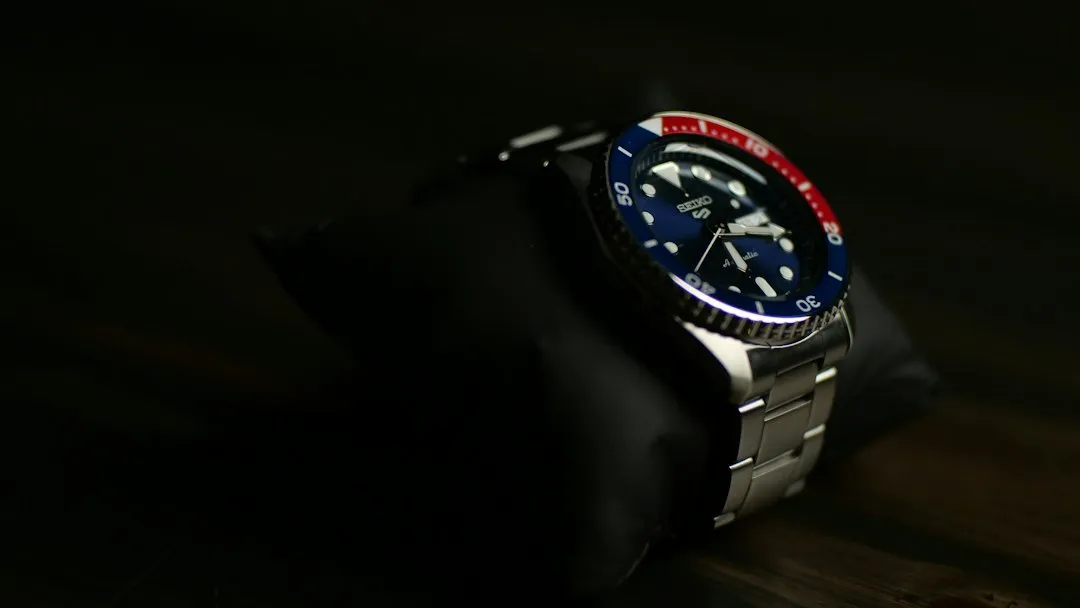
In practice, the phrase tells a listener which color arrangement to picture before any reference number is spoken. That distinction matters when one watch family can appear with different bezel treatments. The nickname narrows the field quickly, then the reference number can do the precise work. Enthusiasts often enjoy that two-step dance: first the image, then the specifications. It is also a reminder that watch culture is not only about movements and materials. A bezel can become a character, a shorthand, a way of spotting a like-minded comment in a crowded thread. A playful way to test how quickly those images register is to try a round on Watchdle’s play page, where watch recognition becomes a game rather than a catalog lookup. The Pepsi name fits that spirit: a small piece of visual memory that makes the wider hobby easier to navigate.
Bezel Upkeep And The Physical Insert
On many watches, the colored part sits in an insert, and such inserts can be serviceable components. If you are curious about that physical layer, this guide to replacing a watch bezel insert explains the part that carries the colors. And if you are comparing bezel constructions, this piece on why modern bezels are ceramic covers a different branch of the same subject. None of that changes the nickname. The Pepsi name lives on the visual side of the watch, where red and blue do the talking. A damaged or faded insert might affect condition and appearance, but the term still describes the intended color scheme. That is part of why collectors keep using it: the phrase is simple enough for a first conversation and specific enough for a forum thread. It also keeps attention on the feature that matters most in this context—the two-tone ring that gives the bezel its identity.
FAQ
Did Rolex ever officially use the Pepsi name?
No—Rolex has never used the name Pepsi itself; the term remains unofficial enthusiast shorthand.
Which steel GMT-Master had the Pepsi insert as standard?
The Rolex GMT-Master reference 1675 in its steel version had the Pepsi bezel insert as its standard bezel insert.
Is the Pepsi nickname used for the GMT-Master II?
Yes—the Rolex GMT-Master II Ref. 126710BLRO is known fondly as Pepsi.