Why Are Most Watch Cases Round?
In this article
Most watch cases are round because a circular case is easier to engineer around the circular movement of the hands. The shape also mirrors the natural rotation of those hands, so the display feels immediately legible on the wrist.
The Pocket Watch Left A Round Inheritance
The wristwatch did not invent its own silhouette from scratch. It inherited the round case from the pocket watch, which had long established a circular form as the standard. When watches moved from pockets to wrists, that geometry came along. The history of the wristwatch’s takeover is partly a story of a familiar shape being scaled down and strapped on. A round case made that transition feel continuous rather than radical. That continuity helped wearers accept the new format. The pocket watch’s legacy is not just mechanical; it is also a matter of outline. The circle survived because it was already understood. A round watch on the wrist still looked like a watch, just in a new place.
Why Round Became The Default
Round is the most traditional and widespread case shape. That dominance is not just a matter of habit. A circular outline offers a neutral frame that doesn’t compete with the dial, the hands, or the markers. It also gives designers a predictable canvas. Even the decisions layered onto a round case—the steel used for the case, the bezel material, the side where the crown sits, and the crystal type—do not change its fundamental geometry. The shape remains the constant. This is why so many watches start from the same circle. It is the path of least resistance and the path of most familiarity. A designer can change the finish or proportions, but the underlying form rarely needs rethinking. That reliability lets the watch speak through details rather than an unusual silhouette. The circle is also a forgiving shape for the eye. It has no dominant side and no obvious beginning or end.
Taking one along? A watch roll keeps it protected in the bag.
The Shape That Disappears On The Wrist
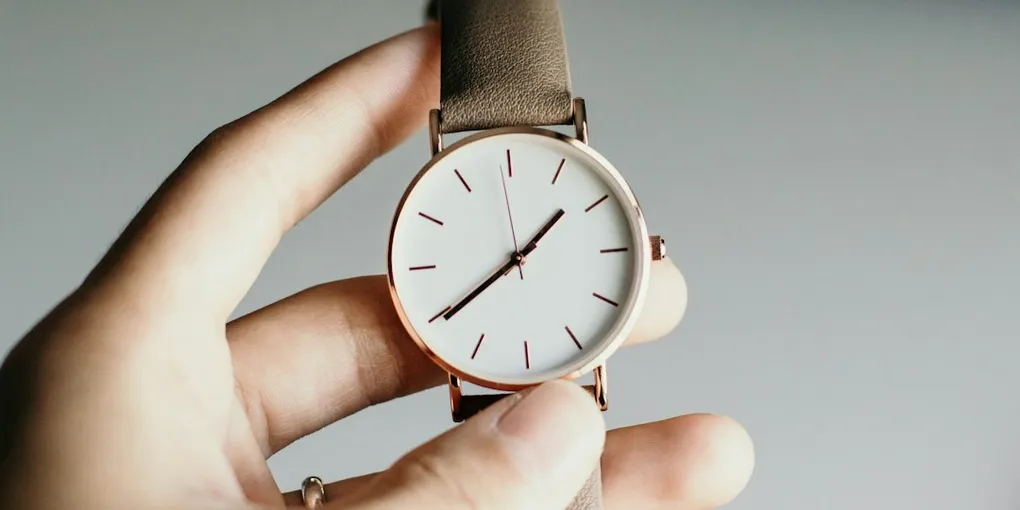
A round case does not demand attention for its own sake. It frames the dial without adding visual noise. There are no corners to resolve, no sharp angles to balance against the strap. That neutrality lets the watch become about proportions, finishing, and legibility. The case can recede while the dial does the talking. A round case also meets a strap or bracelet with a simple, predictable connection on each side. If you want to test how quickly you recognize that balance, Watchdle offers a playful way to train your eye. The round case is not the only option, but it is the one that asks the least of the wearer. The shape also handles different dial layouts with grace. A simple three-hander, a chronograph, or a date window can all sit inside a circle without fighting the case. It is familiar without being invisible, and traditional without being rigid. The round case does not force a particular arrangement; it simply provides a boundary.
FAQ
Why are round cases considered so versatile?
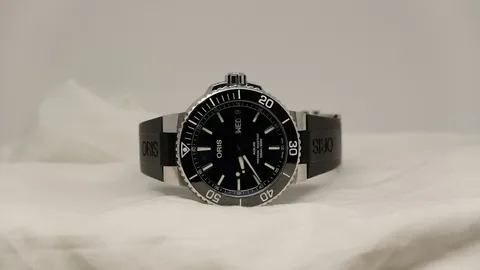
They are the most traditional and versatile shape, suitable for everything from dress watches to divers. That breadth means a round case can move between formal and casual settings without looking out of place.
What makes round cases suitable for divers, pilots, and dress watches?
Their balanced proportions make them ideal for nearly any genre, including divers, pilots, and dress watches. The same circular geometry that helps a dial read clearly can also support a tool watch or a slim formal piece.
As an Amazon Associate we earn from qualifying purchases.