Why Are Watch Crowns On The Right Side?
In this article
- The Crown As The Wearer’s Interface
- Breguet No. 2639 And The Four O’Clock Experiment
- Divers And The Pull Of Four O’Clock
- Eight O’Clock And Twelve O’Clock: When The Crown Leaves The Usual Zone
- Why The Usual Position Fades Into The Background
- Crown Position And The Rest Of The Case
- Right-Side Default, Left-Side Exception
- Testing Your Eye For Crown Positions
- FAQ
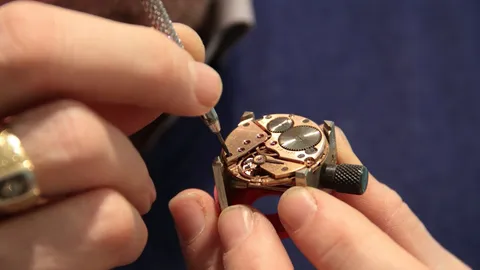
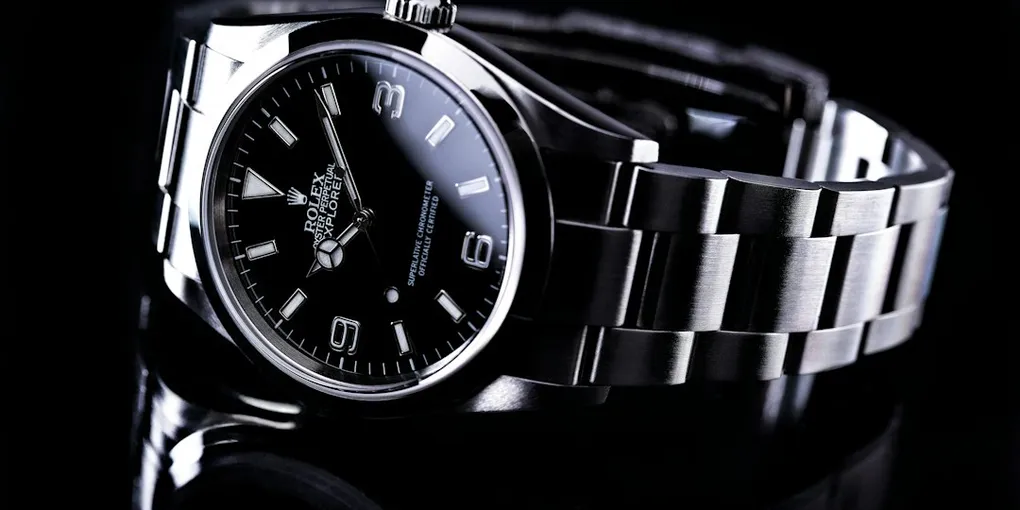
The winding crown usually sits on the right side of the case because that position lets the right hand’s thumb and index finger wind and set the watch naturally. Pocket watches had relied on separate keys before the 19th century; once John Arnold invented the winding crown in 1820 and Antoine-Louis Breguet perfected it circa 1830, the right side became the default, and the Cartier Santos-Dumont placed its crown at three o’clock on the right side of its square case.
The Crown As The Wearer’s Interface
The crown is the one part of a watch that most owners touch every day, even if they never think about it. It is a small mechanical handshake between person and movement, and its location determines how naturally that handshake happens. On a watch with a right-side crown, the adjustment ritual is built around one side of the case. Move that crown elsewhere and the entire gesture changes. That is why crown position is not just a historical accident; it is part of a watch’s ergonomic identity. The choice also intersects with movement type, which is why discussions of automatic versus quartz often touch on how a watch is set and maintained.
The crown is often treated as an afterthought, yet it is the control surface. Its size, texture, and position all determine whether setting a watch feels deliberate or fiddly. A crown that sits on the right side can be operated while the watch remains on the wrist, which is exactly the kind of convenience that becomes invisible over time.
Breguet No. 2639 And The Four O’Clock Experiment
Breguet No. 2639 did not put its crown at the usual position. It placed it at four o’clock. That detail is easy to overlook in a photograph, but it matters. A four o’clock crown sits lower on the right flank, changing the point where fingers meet the case. It also alters the visual balance of the dial and case, especially when viewed head-on. For a watchmaker, the right side was clearly not a single fixed coordinate. It was a broad area that could be tuned. Breguet No. 2639 shows that even in the early history of the crown, there was room for variation within the right-side convention. The watch still follows the logic of right-side operation, but it does so with a different emphasis.
A four o’clock crown can also create a different relationship between the crown and the lugs. It may sit closer to the lower lug, which changes how the case looks in profile. Collectors who care about vintage proportions notice these shifts because they affect the watch’s stance on the wrist.
Divers And The Pull Of Four O’Clock
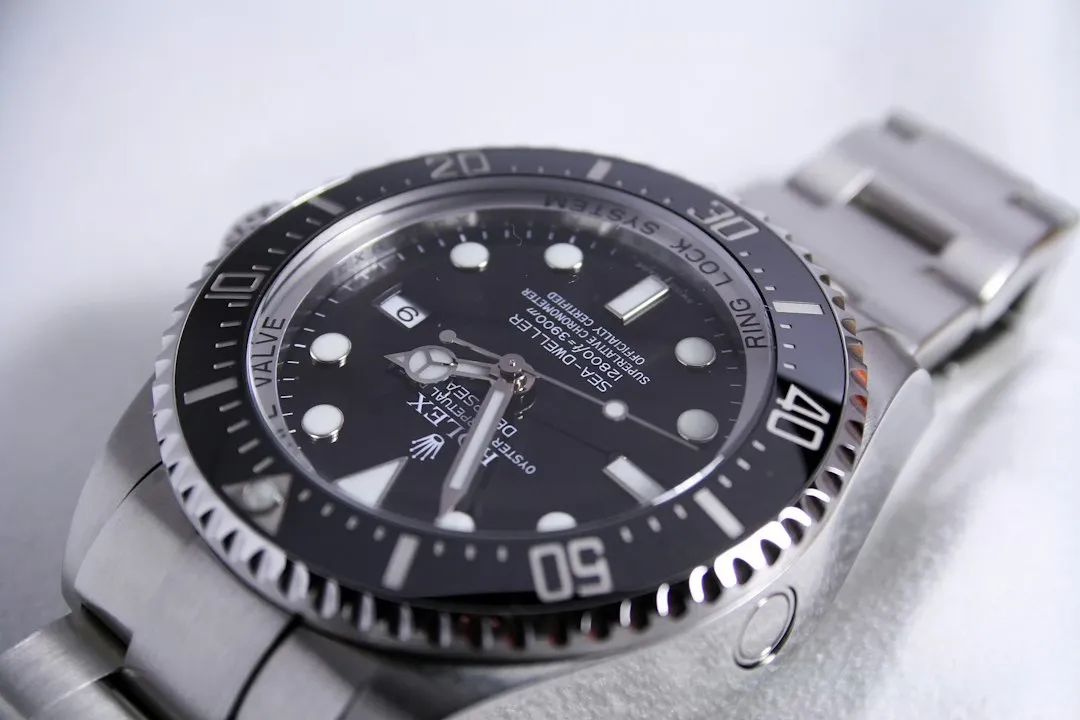
Seiko’s Diver SKX007 uses a four o’clock crown. The Sinn U50 typically follows the same logic. On a dive watch, that placement becomes part of the tool-watch silhouette. It keeps the crown away from the upper right side of the case, which is often occupied by a date window or simply left cleaner. Whether that matters to you depends on how you wear and use the watch. A dive watch buying guide can help sort through the details that actually affect ownership, including crown position and case shape.
The four o’clock position is not limited to vintage divers. It has become a recognizable cue that a watch is intended for active use, even if the owner never gets it wet. That association is cultural as much as technical.
Eight O’Clock And Twelve O’Clock: When The Crown Leaves The Usual Zone
Some watches push the crown even further from the right-side norm. The Citizen Promaster Dive Automatic ‘Fugu’ places its crown at eight o’clock. That is a striking layout because the crown sits on the lower-left area of the case. At the other extreme, the OMEGA Seamaster Bullhead puts its crown at twelve o’clock. The Vacheron Constantin Historiques American 1921 also uses a twelve o’clock crown. These positions are rare enough that they become part of a watch’s identity. They change how the watch sits on the wrist and how the owner reaches for it. For anyone drawn to unusual layouts, a chronograph buying guide is a useful place to understand how pushers and crowns can be arranged around a case.
A twelve o’clock crown is particularly dramatic because it interrupts the top of the case. It draws the eye upward and makes the watch feel unlike anything else on a shelf. An eight o’clock crown is subtler, but it still signals a different approach to case design.
Why The Usual Position Fades Into The Background
Because so many watches have followed the right-side pattern, a standard crown often disappears into the design. It does not call attention to itself. The wearer reaches for it without looking. That invisibility is a kind of success. When a crown is placed at four, eight, or twelve, the owner notices it every time. The watch becomes more distinctive, but also more demanding. The right-side default wins not because it is the only option, but because it is the option most people can ignore. That is a powerful design advantage, even if it is rarely advertised.
Standardization has a cost: it can make watches feel interchangeable. Yet it also creates a shared language. When a crown moves, that language changes, and the watch asks to be read differently.
Crown Position And The Rest Of The Case
The crown is tiny, but it lives on a case that takes the brunt of daily wear. Its position affects how often the case edge meets a desk, a doorframe, or a sleeve. A crown on the right side sits in a familiar spot; a crown at four or eight changes the profile. That is why case design and crown placement are best considered together. If you want to understand how watch cases are built and why materials matter, the details go beyond the crown itself. The shape of the lugs, the thickness of the case band, and the finish around the crown all shape the experience.
Right-Side Default, Left-Side Exception
The right side remains the expected location. That expectation shapes buying decisions. A right-side crown reads as conventional; anything else reads as specialized. The distinction is similar to the way dress watch versus sport watch categories guide expectations before you even try a piece on. A formal watch usually keeps its crown discreet, while a tool watch may use crown position as a functional signature. Neither approach is inherently better. They simply signal different priorities.
For a buyer, the question is not whether a right-side crown is correct. It is whether the position suits the way you use a watch. If you set and wind often, a standard location may be easiest. If you want a conversation piece, an unusual location has its own appeal.
Testing Your Eye For Crown Positions
Once you start noticing crown positions, you cannot unsee them. A four o’clock diver, an eight o’clock Fugu, a twelve o’clock bullhead—each one tells a different story about how a watch expects to be used. If you want a casual way to sharpen that eye, Watchdle offers a game where watch details become clues. It is a low-stakes exercise in paying attention to the small choices that define a case. The next time you see a crown, you may notice not just where it is, but what that location says.
FAQ
What does the crown actually do?
On a mechanical watch, the crown sets the time and date. It also winds the mainspring.
Why would a watch have the crown on the left?
Destro watches place the crown on the left side of the case at nine o’clock. The term describes this left-side configuration.