Why Are Watch Crystals Made Of Sapphire?
In this article
- Three Materials Compete For The Window Over Your Dial
- It Is A Gemstone, Not Glass
- A French Chemist Made It Affordable In 1902
- How Brands Adopted It, Decade By Decade
- Why It Costs More: You Need Diamond To Cut Diamond-Grade Material
- The Trade-Off: It Shatters Instead Of Scuffing
- The Hidden Cost Of Clarity: Reflection
- Can Sapphire Actually Be Scratched?
- When Gorilla Glass Enters The Picture
- Sealed Behind A Tiny Nylon Gasket
- FAQ
A scratched crystal can ruin an otherwise flawless watch, which is why manufacturers went looking for the hardest transparent material they could find. Sapphire crystal, rated 9 on the Mohs hardness scale, sits just below diamond at 10, so only moissanite at 9.5 and diamond itself can mark it. That near-invulnerability to everyday scrapes is the reason it became the default choice for quality watches.
Three Materials Compete For The Window Over Your Dial
The crystal is the round glass window over the dial, and three materials have dominated it: acrylic, mineral crystal, and sapphire.
Acrylic, rated just 3 on the Mohs scale, is a durable, impact-resistant plastic with high optical clarity, dimensional stability, and a lighter weight than glass — it is also more shatter-resistant. But at Mohs 3, a careless brush against a doorframe leaves a mark.
Mineral glass sits in the middle. It is made from silica in a process similar to making tempered glass for fitted windows. Seiko’s Hardlex, common on its sports watches, is a type of mineral glass. Both mineral and sapphire are extremely hard with little or no flex, which shapes how they fail — more on that below.
Sapphire occupies the top tier, and it isn’t actually a type of glass at all.
It Is A Gemstone, Not Glass
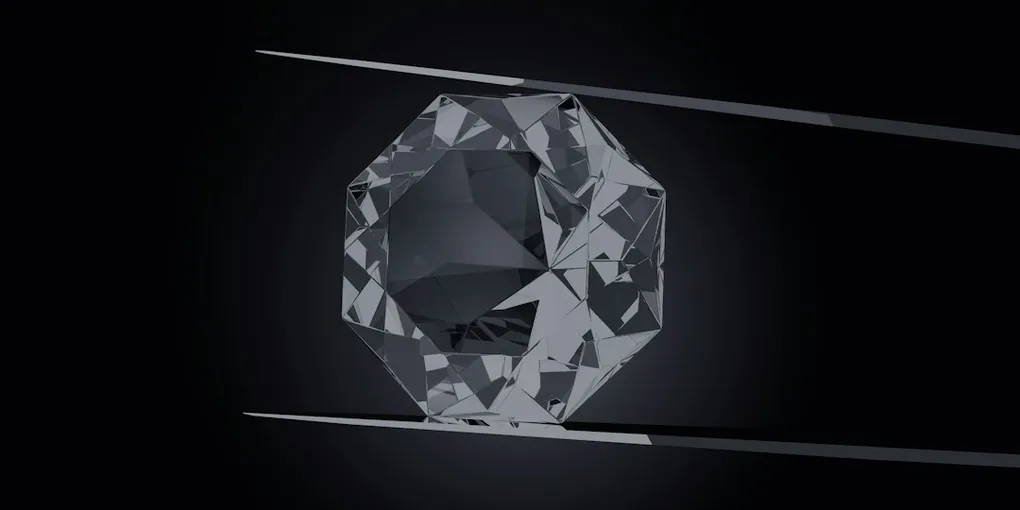
Sapphire is one of two precious gemstones from the mineral variety corundum — the other is ruby. Corundum is crystallized aluminum oxide, clear in its purest state. What watchmakers use is synthetic sapphire: a very hard, transparent material made by crystallizing pure aluminum oxide at extremely high temperatures. It shares the same hardness as natural sapphire gemstones, but without the coloring agents, so it comes out clear instead of blue.
So when you look through the front of a modern watch, you are literally looking through a manufactured gemstone — the same stuff, chemically, as the stones in rings, minus the color.
A French Chemist Made It Affordable In 1902
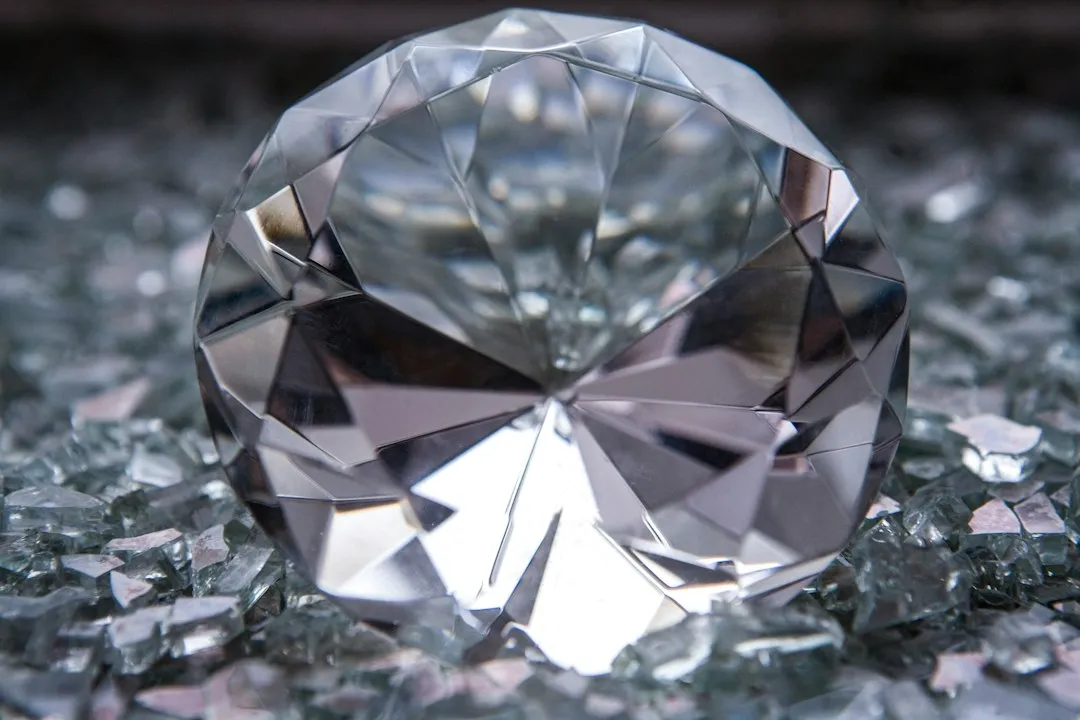
Natural sapphire was never a practical option at scale. The breakthrough came in 1902, when French chemist Auguste Verneuil developed a process to manufacture synthetic crystals and rubies. Watchmaking had already found a use for that trick: synthetic rubies replaced more expensive natural jewels as friction-reducing ball bearings inside movements. Verneuil’s method eventually put the same material on the outside of the watch too.
How Brands Adopted It, Decade By Decade
The first watch widely credited with a sapphire crystal is the Jaeger-LeCoultre Reverso in the 1930s — fitting for a watch designed to flip its dial out of harm’s way. Omega started using sapphire crystals on some of its watches in the 1950s. The wider shift came by the early 1970s, when Rado (with the Diastar), Enicar (with the Sherpa Star), and Rolex (with the Datejust Oysterquartz Ref. 5100) all brought sapphire to their lines. From there it spread from a premium novelty to standard equipment.
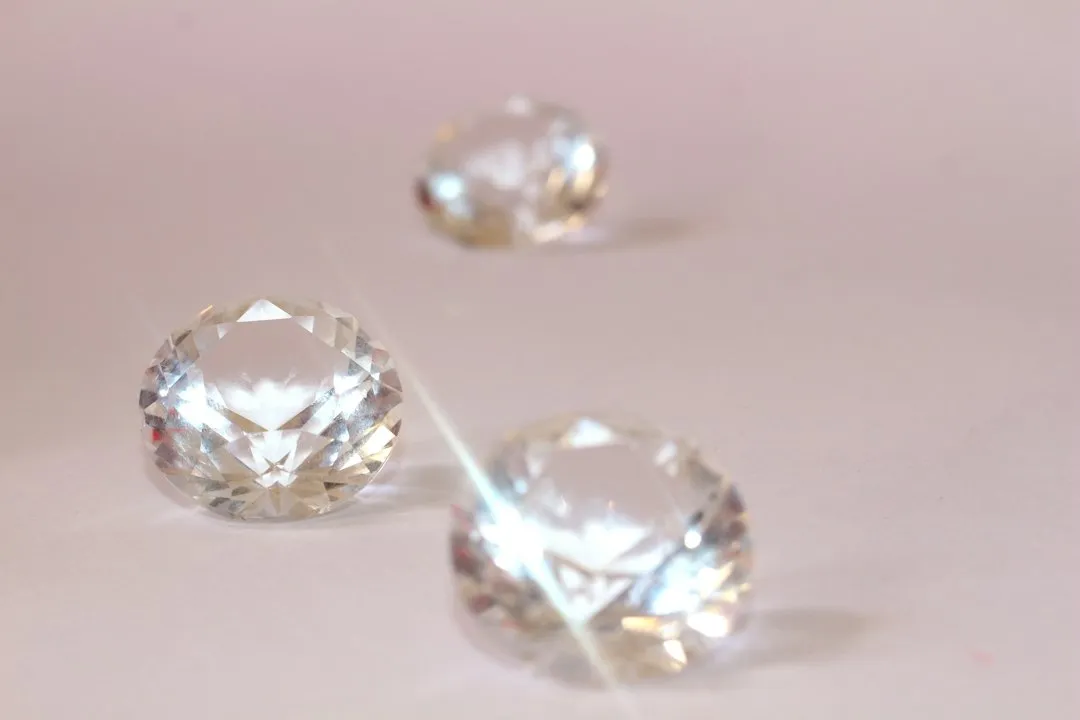
Why It Costs More: You Need Diamond To Cut Diamond-Grade Material
Hardness cuts both ways. Sapphire’s resistance to scratching means ordinary tools are useless against it. Bulk masses of synthetic sapphire are sliced into disks with diamond-tipped, diamond-covered cutting tools, then ground, polished, and honed into watch crystals. Those specialized tools are very costly, which is why sapphire crystals are relatively expensive. You are paying for the machining as much as the material — a bit like how a hardened 316L steel case demands its own tooling on the assembly line, as covered in why watch cases are made of 316L steel.
The Trade-Off: It Shatters Instead Of Scuffing
Sapphire’s failure mode is different from acrylic’s. Under extreme impact, sapphire tends to shatter rather than take hairline fractures. An acrylic crystal might survive a knock with a ding you can live with; a sapphire crystal under the same blow may spiderweb and need full replacement. Because mineral and sapphire have little or no flex, there is no give to absorb the hit.
One more scratch-related note: if you do somehow mark a sapphire crystal, the scratch cannot be polished away and the crystal must be replaced. Compare that with the material choices elsewhere on a modern watch — ceramic bezels are hard for similar reasons and carry similar brittleness trade-offs, as explained in why modern bezels are ceramic.
The Hidden Cost Of Clarity: Reflection
Here is an irony most wearers never think about. Sapphire has a refractive index of 1.8, versus 1.47 for mineral crystal — and that higher index makes sapphire more reflective than the cheaper material it replaced. The very density that gives you a brilliant, glass-clear window also bounces more light off its surface, which can wash out the dial under bright light.
The fix is anti-reflective coating. Applying one or more layers of AR coating limits reflection to a very low level, which is why so many sapphire crystals carry a faint blue tint on their edge or underside. The topic deserves its own deep dive — see anti-reflective coating: invisible but vital.
Can Sapphire Actually Be Scratched?
Yes, though you have to try. Diamond can scratch it, and so can man-made materials incorporating silicon carbide, which falls between 9 and 10 on the Mohs scale. Some sandpapers, saw blades, and industrial abrasives contain silicon carbide, so “scratchproof” marketing should always be read as “virtually scratchproof.” For most real-world wear — desks, wrists, denim, sand at the beach — the crystal will outlast everything else on the watch. The hands-on differences between the two front-runners are laid out in sapphire vs mineral crystal: the scratch test.
When Gorilla Glass Enters The Picture
There is a fourth player worth knowing. Gorilla Glass, made by Corning, is chemically strengthened glass famous from smartphones, and it has crossed into watchmaking: large manufacturers like Timex and microbrands like Vortic use it for watch crystals. It trades some of sapphire’s scratch immunity for better impact resilience — a sensible pick for watches meant to be genuinely beaten up.
Sealed Behind A Tiny Nylon Gasket
A crystal is only as good as its seat. Typically made of nylon, crystal gaskets come in flat, I-shaped, or L-shaped profiles and compress between the crystal and the case to keep the assembly tight. That humble ring is part of what lets a sapphire-capped watch survive pressure testing — the same principle behind water resistance ratings, which measure lab pressure rather than diving depth. If you want to see how well you can identify watches from a single glance at details like their crystals, the daily game at Watchdle is a fun way to train that eye: https://watchdle.com/play/
FAQ
When did sapphire crystal become common on watches?
The Jaeger-LeCoultre Reverso likely carried it first in the 1930s, Omega began using it on select models in the 1950s, and by the early 1970s Rado, Enicar, and Rolex had adopted it on models like the Diastar, Sherpa Star, and Datejust Oysterquartz Ref. 5100.
What is sapphire crystal actually made of?
It is pure aluminum oxide crystallized at extremely high temperatures — not glass at all. It is the same mineral family as ruby, and synthetic sapphire matches the hardness of the natural gemstone without its coloring agents.
Why is sapphire crystal more expensive than mineral glass?
Cutting and polishing a material hard enough to resist everything but diamond requires specialized diamond-coated saws and grinding tools, and those tools are very costly. That equipment expense, not the raw material, drives the price.
Can a scratched sapphire crystal be repaired?
No. Unlike acrylic, which can be buffed back to clarity, a scratch in sapphire cannot be polished away — the only fix is replacing the crystal entirely.