Seiko Turtle History: 6309 Cushion Case Dive Icon
In this article
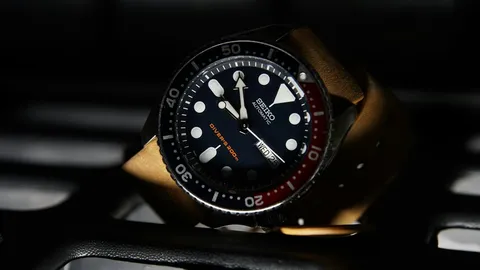
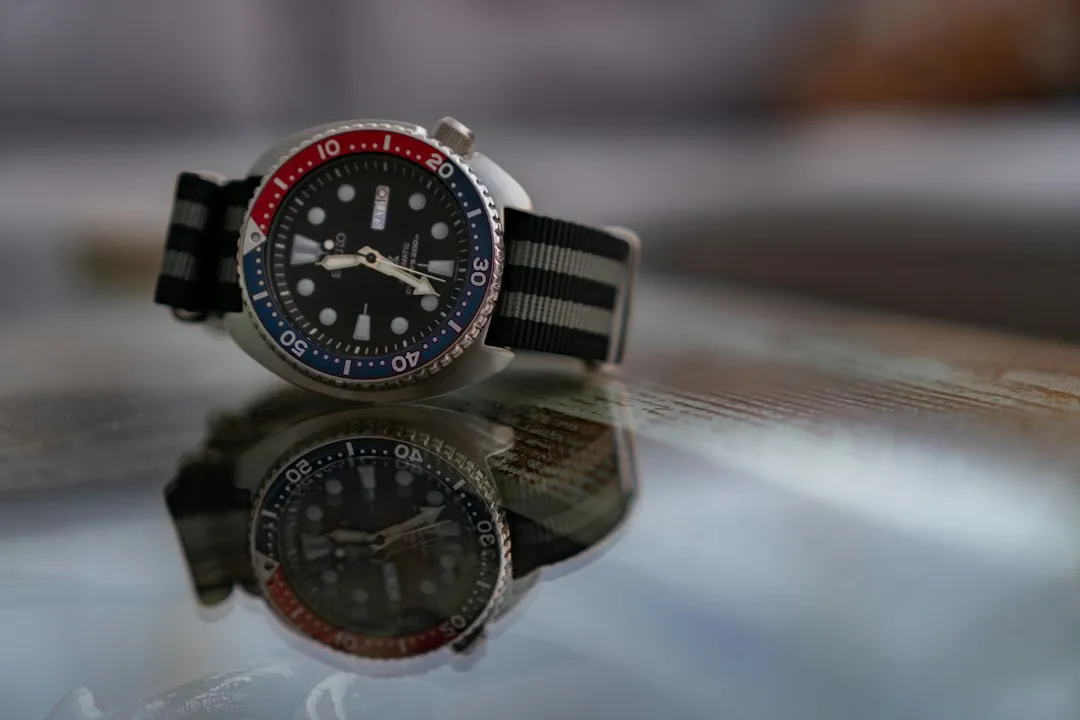
The Seiko Turtle is the cushion-cased diver family designed by Ikuo Tokunaga around the 6309 and 6306, with the 6309 becoming the export reference that earned the nickname Turtle before Seiko revived the line under Prospex in 2015. It translated professional-dive cues into a tough, legible tool watch rather than a fragile showpiece.
Cushion-Case DNA from the 62MAS and 6105
Seiko’s first diver, the 6217 “62MAS,” arrived in 1965. The cushion-shaped case and four o’clock crown that define the Turtle did not appear in a vacuum. The 6105 “Captain Willard,” released in 1968, used a cushion-shaped case with the winding crown at 4 o’clock. That layout gave Seiko a template for a case that protected the crown, sat broadly on the wrist, and looked less like a conventional round dress watch. The Seiko 6105 story of Willard, Uemura, and Vietnam shows how quickly Seiko moved from its first diver to a recognizable tool-watch language. By the time the Turtle references appeared, Seiko had already learned how to make a dive watch that looked purposeful without becoming ornate. The cushion case was not merely a styling choice. It created a visual link between Seiko’s early professional divers and the later watches collectors now group under the Turtle name.
The 6306-7000/1 and 6309-7040/9 Split
The Turtle family made its debut in 1976. The reference 6306-7000/1 launched in 1976 and was originally produced only for the Japanese domestic market. The reference 6309-7040/9 was intended for global markets and went into production in 1976. The export model is commonly known as ref. 6309, and that is the watch most collectors picture when discussing the family. The two references shared the cushion case and dive-watch posture, but they were not identical inside. That split between a home-market version and an international version became one of the defining quirks of the Turtle family. Seiko’s broader diver chronology explains how this pattern fit into the company’s expanding professional line. It also explains why two watches that look so similar on a dealer’s tray can have different movements, different day wheels, and different followings.
6309A and 6306A: Two Calibers, Two Characters
The international 6309 used the cal. 6309A, a 17-jewel movement that lacks hacking seconds. The Japanese domestic 6306 used the cal. 6306A, a 21-jewel movement with hacking seconds. That difference mattered to buyers who wanted to set the watch precisely, and it still shapes how collectors compare the two references. The 6306 also carried a 60-click bezel, a black dial with oversized lume plots, and an English/Kanji day-date wheel. Its screw-down winding crown supported a 150-meter depth rating. Those details made the JDM model feel like the more finely specified sibling, even though both watches occupied the same cushion-cased family. The 6309A’s lack of hacking was not a flaw in daily use; it was simply part of the movement’s character. A collector who values convenience may prefer the 6306A, while someone drawn to the export story may accept the 6309A exactly as it came. The 60-click bezel on the 6306 is another point of tactile distinction, giving the watch a different feel when the bezel is turned.
A 44mm Cushion With a Recessed Crown
The 6309 measured around 44mm across the cushion case and 45mm in length. That footprint gave it a strong wrist presence without the towering thickness or slab-sided profile of some later divers. The crown sat recessed at four o’clock, a position that kept it out of the way and reinforced the case’s asymmetrical look. On a bracelet or a rubber strap, the design reads as a tool first and a fashion object second. For anyone comparing vintage and modern dive watches, the Turtle’s dimensions are a useful reference point because they show how much wrist presence can come from case shape rather than raw diameter alone. The dive watch buying guide is helpful for understanding why proportions, not just specs, decide whether a watch works on the wrist. The 44mm measurement can sound large today, but the length, cushion curve, and crown placement change the way the watch sits.
The Slim Turtle and the Road to the SKX007
Seiko did not stop with the first 6309. The 6309-7290 was introduced in the early 1980s and became known as the “Slim Turtle.” It also became the foundation of the SKX007. That lineage is why the Turtle matters beyond its own production run: it is not just a 1970s relic but a direct ancestor of one of the most recognizable modern Seiko divers. The full history of the Seiko SKX007 traces how that later model inherited the Turtle’s visual DNA and turned it into a global enthusiast favorite. The Slim Turtle’s slimmer profile also shows that Seiko kept refining the formula rather than freezing it. The later watch may have a different reference and a different audience, but the family resemblance remains obvious to anyone who has spent time with both.
SEAL Teams, a $155 Price Tag, and the 6309’s Working Reputation
The 6309 was adopted by SEAL Teams and other SpecOps units transitioning from Tudor Submariners in the late 1970s. That adoption says less about marketing than about availability, legibility, and toughness. In Fall 1977, the DE095 reference carried a US retail price of $155. At that price, the 6309 was not a luxury object; it was a capable automatic diver that could be bought, worn hard, and replaced if necessary. That combination of military use and accessible pricing helped cement its reputation as a true tool watch. The history of the dive watch from tool to icon places that shift in a wider context, where professional equipment gradually became everyday wear. The 6309 fits that story neatly: it was cheap enough to be used without ceremony and distinctive enough to be remembered long after its service life.
If you enjoy testing how well you know dive-watch silhouettes, the daily game at Watchdle is a light way to do it.
FAQ
When did the Japanese-market 6306 and the international 6309 Turtles go out of production?
The 6306 lasted until approximately 1981, while the 6309 was discontinued in 1988.
Did the Seiko 6309 appear in film or military incidents?
Ed Harris wore an early Turtle 6309 in The Abyss in 1989, and one of two Dadaepo Frogmen captured by the South Korean Army in 1983 wore a Seiko 6309.