How to Use a Chronograph Watch: A Practical Guide
In this article
- The Pushers and the Extra Hardware They Control
- Reading the Dial Without Getting Lost
- What Happens When You Start the Mechanism
- Tachymeter: Speed and Distance on the Edge
- Diving and the Limits of Water Resistance
- Monopusher, Flyback, and Other Control Schemes
- Choosing a Layout That Matches Your Eyes
- Tracking Several Events as One Unit
- FAQ
A chronograph is a regular display watch paired with a stopwatch, and the basic operation fits in your hand: press the upper pusher to begin timing, press it again to stop, then press the lower pusher to return the hands to zero. Everything else—sub-dials, tachymeter scales, and specialized mechanisms—grows from that simple sequence.
The Pushers and the Extra Hardware They Control
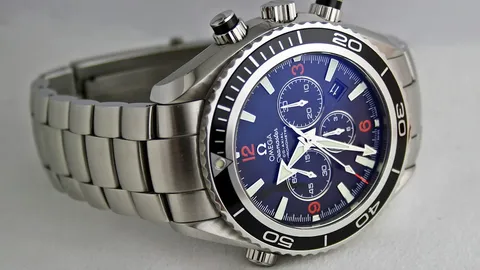
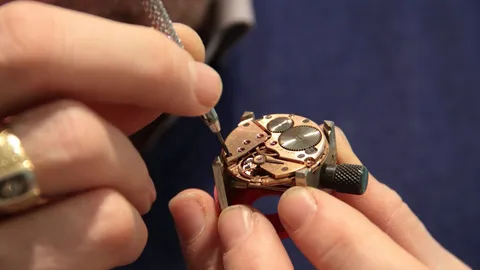
On the right side of the case, two pushers usually do the work. The top one sits near 2 o’clock, and the lower pusher commonly rests at 4 o’clock. This is the mechanical difference between a chronograph and a standard watch: extra pushers, more sub-dials, and additional gears, levers, and cams inside. The visible kit includes the dial, hands, sub-dials, and pushers. If you want to see how those parts interact, a teardown of how a chronograph actually works is worth your time.
Reading the Dial Without Getting Lost
A typical chronograph carries three sub-dials. The common arrangement places minutes on the left, hours in the middle, and running seconds on the right. That rightmost sub-dial hand counts the passage of seconds in present time, so it ticks even when the stopwatch isn’t running. The other two serve stopwatch operation and measurements. The longest hand on the dial usually sits at 12 o’clock; it counts elapsed seconds once the mechanism is running. The minute sub-dial advances one marker for every full rotation of that central hand, and the hour sub-dial moves forward with each complete revolution of the minute sub-dial. The watch also has multiple regular hands to measure hours, minutes, and seconds.
Your watch may not follow the classic pattern. An AP Royal Oak can place elapsed minutes at 3 o’clock, elapsed hours at 9, and running seconds at 6. A Daytona puts minutes and hours elsewhere. The logic stays the same even when the geography changes: one register handles running seconds, while the others support the stopwatch. If you remember that division of labor, you can read an unfamiliar dial without hunting for the manual.
What Happens When You Start the Mechanism
Once running, the chronograph second hand comes to life and moves along the dial. The stopwatch-minutes hand moves after a while, not instantly, because it waits for the central hand to complete its first circuit. The counters are built to measure time intervals ranging from seconds to hours, but not every model carries the same capacity. A high-precision model may count up to 60 minutes on the minute register. Budget chronographs can be stingier: some omit the hours dial entirely.
That limitation matters during longer events, because you may need to read a full lap plus a partial one. The registers can still be useful for shorter tasks, but the scale tells you where the ceiling is. A chronograph with a full complement of sub-dials gives you more room before the readout loops back to zero.
Tachymeter: Speed and Distance on the Edge
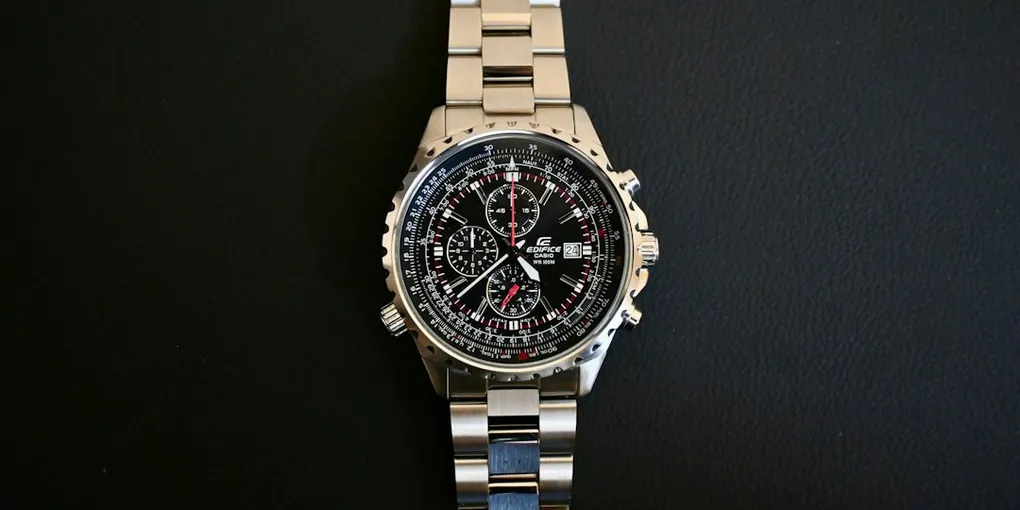
Some chronographs include a tachymeter scale, usually printed on the bezel or around the edge of the dial. Used with the chronograph, it figures out speed over a known distance. A built-in tachymeter can also measure the speed of moving objects or check distance traveled using the markings on the bezel. That makes it a way to track the movement of objects to measure speed, which is why it is especially useful in aviation, where quick mental math has real value.
Not every chronograph needs one. Special hands that calculate speed or distance are optional and may be absent on basic models. If you want to practice the scale, our guide to using the tachymeter scale breaks down the arithmetic.
Diving and the Limits of Water Resistance
Divers have used chronographs to see how long they’ve spent underwater, but not every model can withstand water and pressure of being submerged. A chronograph is still a watch with pushers and openings; check its water resistance ratings before trusting it in the pool, let alone the ocean. If you’re using it near water, the bezel and pushers deserve the same respect as any dive watch.
Monopusher, Flyback, and Other Control Schemes
The two-pusher layout is common, but it isn’t the only one. A monopusher chronograph controls all functions with a single button. A flyback chronograph resets and restarts with one push, which saves a step when timing consecutive intervals. These variations don’t change the underlying idea—you’re still commanding a stopwatch built into a watch—but they change the rhythm of use. If you’ve wondered what separates a flyback from a standard chronograph, our explanation of the flyback chronograph makes the sequence clear.
Choosing a Layout That Matches Your Eyes
Sub-dial bezels vary from watch to watch, and so do layouts. Some people prefer the classic 3-6-9 arrangement; others find a Daytona-style dial easier to scan because the minutes and hours sit elsewhere. A basic model is fine for short tasks, while a larger register suits longer events. If you’re buying your first, our chronograph buying guide walks through the practical differences without the hype. And if you enjoy testing your eye for dial details, the Watchdle game at https://watchdle.com/play/ offers a quick, browser-based challenge.
Tracking Several Events as One Unit
One useful habit is to keep the chronograph running through several separate events and treat them as one unit. You might let it accumulate total elapsed time across the whole sequence rather than treating each segment as its own result. The sub-dials track minutes and hours as needed, so the readout reflects the broader span instead of a single interval. That makes the chronograph useful for project timing, travel days, or any stretch where you want one running total.
FAQ
What did the word chronograph originally mean?
The term means “time writer.” The device itself was invented in 1816.
What does a 45-minute timer show on a chronograph with a 30-minute minute register?
The minute hand points to 15 and the hours dial reads 0.5.
Can a chronograph help when I cross time zones?
Yes, if it has a sub-dial that counts up to 12 hours. Start it at exactly midnight or noon in the new zone.
What is a rattrapante chronograph for?
It lets you time two events at once.