How To Clean A Nylon NATO Watch Strap
In this article
- Why Nylon Webbing Puts Up With Soap and Water
- Getting the Strap Off the Watch Head
- The Three-Minute Sink Wash
- Hand Scrubbing for Stains That Laugh at the Sponge
- A Six-Hour Soak for Set-In Grime
- Machine Washing Without Ending the Strap
- Drying: Flat, Patient, and Nowhere Near Heat
- The Two Products That Never Touch the Webbing
- How Often the Webbing Actually Needs Washing
- FAQ
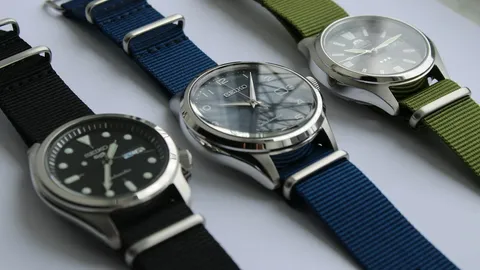
A nylon NATO strap comes clean with a three-minute wash at the sink: cold water, a sponge, and ordinary dish soap, followed by time spent drying flat. Heat is the only real hazard in the whole process — hot water can damage the nylon weave, and dryers can melt it outright.
That quick wash handles most everyday grime on its own. The rest of this guide covers the heavier jobs: hand scrubbing stains that survive the first pass, a long soak for dirt that has settled deep into the fibers, and a machine-wash routine for straps that have gone truly feral.
Why Nylon Webbing Puts Up With Soap and Water
Every NATO strap is a strip of nylon webbing, and nylon’s tolerance for water is the reason cleaning one never feels like surgery. Where some strap materials punish you for getting them wet, this one shrugs off an enthusiastic scrub and comes out looking close to new. If you’ve ever wondered why a simple band of woven fabric carries the name of a military alliance, this explainer on what a NATO strap is and where the name comes from covers the backstory.
Getting the Strap Off the Watch Head
Cleaning is far easier with the strap separated from the case, and NATO removal is satisfyingly simple. Pull the strap out from the buckle first, then work it through the gap between the spring bar and the case until it slips free of the watch head. If you’re new to how the webbing threads through the bars, this walkthrough of changing a NATO strap shows the full path the strap takes, which makes removal feel obvious rather than fiddly.
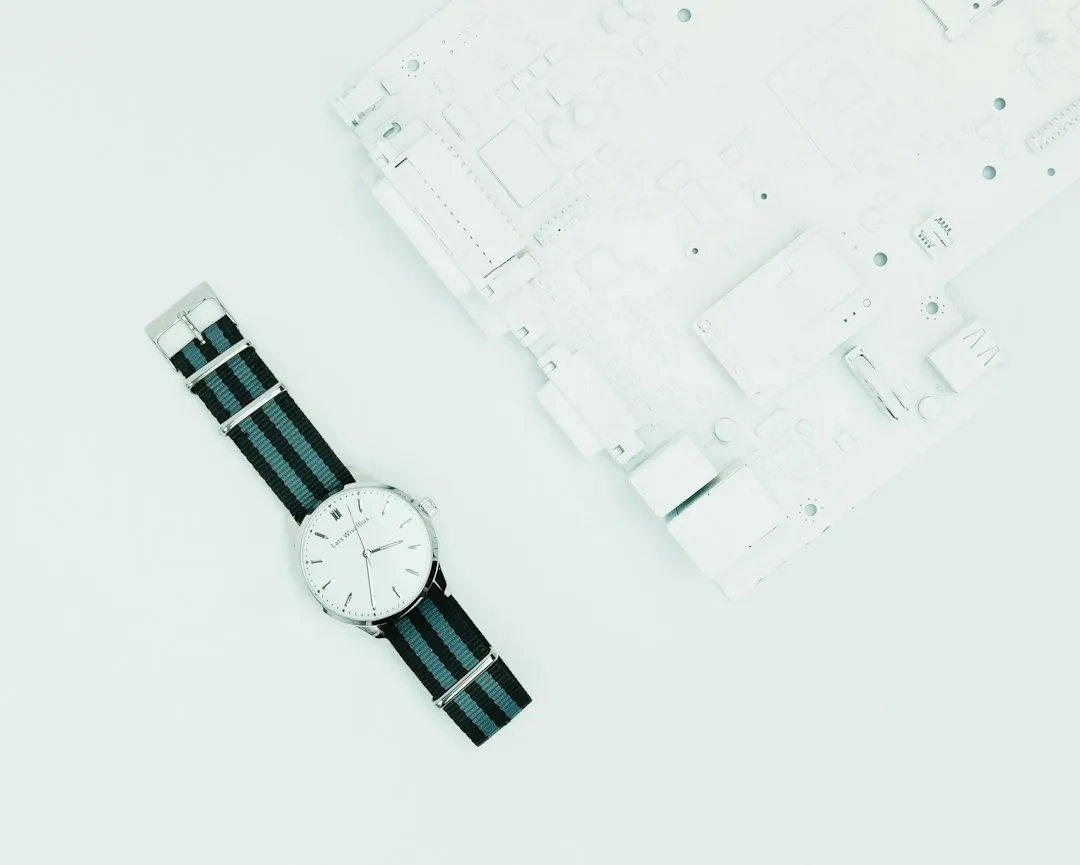
The Three-Minute Sink Wash
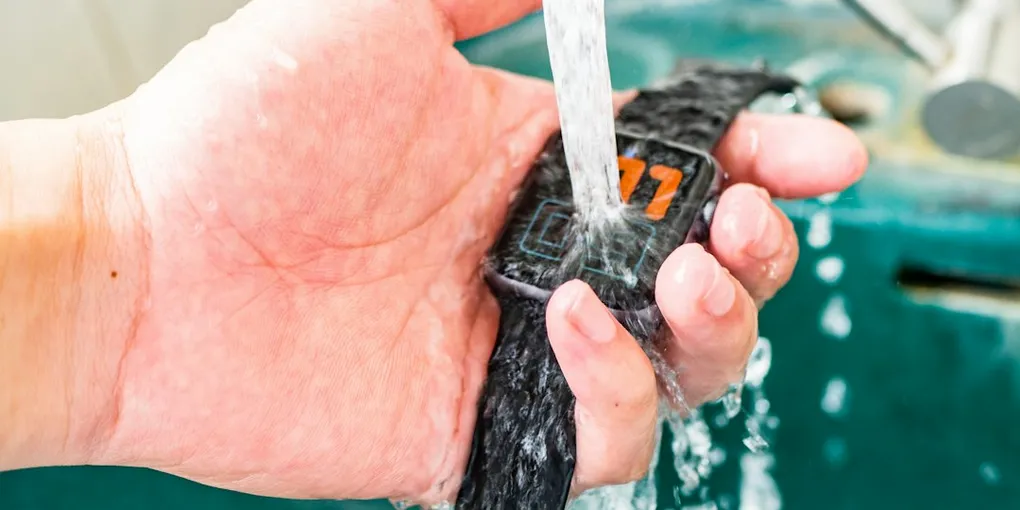
For routine dirt — the gray film that builds up after weeks on the wrist — the sink method is all you need. Run the strap under cold water, work dish soap into the webbing with a sponge, and give the whole thing roughly three minutes of attention before rinsing it clean. Do this with the watch head set safely on the counter; the head deserves its own, gentler cleaning routine, which is covered separately.
Hand Scrubbing for Stains That Laugh at the Sponge
When sweat and grime have worked into the weave, upgrade the technique. Hold the strap under cold or lukewarm running water — never hot, which can damage the nylon weave — and lather the soap in with your thumbs. A soft-bristle toothbrush attacks stubborn stains without shredding the fibers. Rinse, and repeat the entire cycle if the strap still looks tired when you’re done. Finish by gently pressing out the excess water with your hands, then lay the strap flat and let it air dry.
A Six-Hour Soak for Set-In Grime
Some straps pass the point where scrubbing helps: ground-in sweat, a season of neglect, discoloration that no thumb pressure will lift. For those, fill a bowl with cool water, add OxiClean, and let the strap soak for at least six hours. Afterwards, give it the hand-scrubbing treatment described above, then set it out to air dry on a flat surface. The soak does the slow work that fingers and brushes can’t rush.
Machine Washing Without Ending the Strap
A NATO strap can survive the washing machine — with a few precautions. Tuck it into a mesh laundry bag, a clean sock, or the pocket of a pair of jeans so it can’t snag or wander off mid-cycle, then run a gentle cycle with cold water alongside your regular load. The moment the cycle ends, rescue it: no tumble drying, under any circumstances. Take it out and let it dry flat, the same as always. Metal bracelets involve pins, links, and a completely different routine — this guide to cleaning a metal watch bracelet covers that separate world.
Drying: Flat, Patient, and Nowhere Near Heat
However you wash the strap, the drying rules never change. Blot it with a towel first to soak up the surface water, then lay it out flat — indoors or in the sun both work fine. What you must never do is reach for a hair dryer or a clothes dryer, because the nylon weave melts under intense heat, and a warped, glossy strap cannot be un-melted. Patience costs nothing; heat can cost you a favorite strap.
The Two Products That Never Touch the Webbing
Skip bleach and rubbing alcohol entirely. Neither belongs anywhere near nylon, and there’s no cleaning job a NATO strap will realistically face that dish soap, OxiClean, and plain water can’t handle on their own.
How Often the Webbing Actually Needs Washing
There’s no fixed schedule — it depends entirely on wrist time and conditions. A strap worn daily through summer heat will gray out quickly; one rotated among several watches can go much longer between washes. The simplest rule: give it the quick sink treatment whenever it starts to look dull, and save the soak or the machine for when soap alone clearly isn’t cutting it. Since the strap needs hours to dry afterward, this is the natural moment to rotate in a backup — a strap swap is quick work. And if you enjoy the small rituals of watch ownership, a round of Watchdle makes a decent companion while the webbing dries.
FAQ
Can a NATO strap go in the washing machine?
Yes. Contain it in a mesh laundry bag, a clean sock, or a jeans pocket, wash it with your clothes on a cold, gentle cycle, then air-dry it flat — the tumble dryer stays off limits.
How long should a dirty NATO strap soak?
At least six hours, in cool water with OxiClean dissolved in. Afterwards, scrub it using the hand-washing technique and leave it to dry on a flat surface.
Do I have to remove the strap from the watch before cleaning?
You’ll get a far better result if you do. Draw the strap out through the buckle, then slide it through the gap between the spring bar and the case, and it comes free of the watch head for a proper wash.
What should I never use on a nylon strap?
Bleach and rubbing alcohol are both off the menu, and heat in any form is the other danger — hot water can harm the weave, while hair dryers and clothes dryers can melt it outright.