How To Clean A Rubber Watch Strap: Silicone And FKM Care
In this article
Silicone and FKM rubber watch straps can be cleaned safely with a gentle hand-wash, thorough rinsing, and complete air drying. FKM—fluoroelastomer—stands out for superior durability, chemical resistance, and minimal water absorption, making it a low-maintenance choice for daily wear.
Three Rubber Families And How They Behave
Rubber watch straps usually fall into three material groups: natural rubber, silicone, and FKM rubber. Natural rubber is known for elasticity and comfort, yet it can crack over time. Silicone rubber is highly flexible and resistant to extreme temperatures, although its porous surface attracts dust through static charge and absorbs odours over time. Rubber or silicone straps are waterproof and dirt-repellent, which makes them practical for sweaty workouts, rainy commutes, and pool days. FKM is a different beast: it does not absorb sweat, oils, sunscreen, or skin lotion. FKM began as a high-fluorine synthetic rubber developed for aerospace and chemical-industry seals. A Tropical Style CTS Green strap from CNS Watch Bands is one example of an FKM rubber strap. If you’re deciding between rubber versus leather for daily wear, the choice often comes down to sweat and maintenance.
The material affects how often you clean and how forgiving the process feels. A natural rubber strap that sees heavy summer wear may need more inspection for cracking. None of these materials require a laboratory of products. The basics work when you use them consistently and avoid the wrong chemicals.
The Five-Minute Cleaning Routine
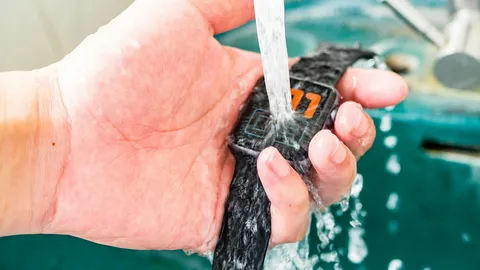
Cleaning a rubber watch strap takes about five minutes when you have the right tools: mild dish soap, warm water, and a soft-bristled toothbrush. Mix warm water with a few drops of mild soap or dish detergent. Avoid harsh chemicals or abrasive cleaners, because they can damage rubber material. Let the strap soak for 5-10 minutes to loosen grime. Then scrub gently with the soft-bristled toothbrush, paying attention to the keeper, buckle area, and the underside where sweat collects. Stiff bristles scratch the surface and create micro-abrasions that trap more dirt over time, so choose the softest brush that still lifts residue. Hot water can warp certain rubber compounds, so keep the water warm rather than steaming. Rinse the strap for 20 to 30 seconds under warm running water. Bleach, acetone, and high-alcohol sanitizers should be avoided entirely. Abrasive sponges or steel wool leave permanent surface scratches. For a broader reset that includes the case, see how to clean a watch without ruining it.
The buckle and keeper are where grime hides most stubbornly. A soft brush can reach those tight corners without scouring the rubber. Work with light pressure, let the soap do the work, and avoid the temptation to scrub harder when a spot resists. The material is designed to flex and repel dirt, but it is not armor against aggressive tools. After the rinse, check the underside against the light. If a film remains, repeat the gentle wash rather than reaching for a stronger solvent.
Drying Without Baking The Rubber
After rinsing, pat the strap dry with a microfiber towel, then let it air dry completely. Avoid direct sunlight or high heat, which can cause rubber to deteriorate. Never use a hairdryer or radiator as a shortcut. Heat degrades rubber compounds and can cause warping or cracking. Air drying usually takes 20 to 30 minutes on a clean microfiber cloth in a well-ventilated area. FKM has good UV resistance, but prolonged exposure to direct sunlight can cause fading. If your collection also includes a metal bracelet, the cleaning rules change, and metal bracelet care has its own temperature and moisture considerations.
Drying is not a passive step you can rush with a hot appliance. A strap that feels dry on the surface may still hold moisture near the buckle or in the keeper. Giving it half an hour on a cloth prevents that trapped dampness from becoming a problem later. If you wear the watch daily, clean the strap at night and let it dry while you sleep. That routine also gives you a chance to inspect the rubber for cracks, stretching, or discoloration before the next wear.
FKM-Specific Care And Daily Habits
FKM handles daily exposure differently. Rinse the strap if it comes into contact with substances, and avoid oils or lotions because they can attract dirt. FKM is fully waterproof, so submerging the strap completely is fine. When rinsing FKM, 10-15 seconds under warm running water is enough for routine maintenance. One oddity of FKM is how it handles indigo dye: it does not actually absorb the dye the way leather or fabric does; the indigo sits on the surface. A melamine foam eraser can remove surface stains without harsh chemicals, but use it dry or barely damp with light pressure only. Aggressive scrubbing with a magic eraser removes the surface finish. On FKM specifically, a Magic Eraser is slightly abrasive and will dull a satin finish over time if used aggressively. When you eventually swap a watch strap, a careful technique protects the lugs and keeps the hardware in good shape. Between wearings, if you want a watch-themed distraction, Watchdle is a quick browser game at https://watchdle.com/play/.
Daily habits matter more than occasional deep cleans. Wipe the strap after a sweaty workout, rinse away sunscreen or salt water, and keep lotions away from the rubber. Because FKM does not absorb those substances, the residue usually sits on the surface and rinses away easily. Silicone and natural rubber may need more attention between cleanings. A minute of prevention after each wear can extend the interval between thorough cleanings.
Yellowing, Baking Soda, And Isolated Stains
Yellowing can build up on white and light-colored rubber. A baking soda and water paste can lift that discoloration when applied for five minutes. Use baking soda paste cautiously on fluoroelastomer straps unless the manufacturer confirms compatibility. For isolated marks, start with the mild soap routine before trying anything more targeted. The goal is to remove the stain without changing the surface texture or stripping the finish. If a stain persists, consider whether the mark is truly dirt or a sign that the rubber has aged. Persistent odor on rubber straps comes from bacteria feeding on sweat and dead skin cells, so cleaning the underside and keeper matters. In some cases, a replacement strap may be the more practical answer than a harsh chemical treatment.
FAQ
How often should white or light-colored rubber straps be cleaned?
White and light-colored rubber straps benefit from cleaning every five to six days instead of weekly to keep yellowing from building up.
What does vinegar do to an FKM strap?
Vinegar causes gradual softening of its polymer matrix, so it will quietly degrade FKM over time.
Can isopropyl alcohol remove a stubborn stain from rubber?
At 70% concentration, isopropyl alcohol can treat isolated stains as a last resort; apply it with a cotton swab to the stain only, rinse immediately, and do not use it repeatedly because it dries out the rubber.
How long can a quality FKM strap last with reasonable care?
A quality FKM strap can last 5–10 years of daily wear without visibly degrading with reasonable care.