Clean A Watch Dial Safely: Dust And Smudges
In this article
Clean a watch dial safely by starting with dry dust removal, using only minimal moisture for smudges, and stopping before the lacquer, signature, or markers are at risk. The dial is the watch face at the center of the watch, and because it is a fragile component, the right method depends on whether you are dealing with loose dust, fingerprints, or damage that has already reached the lacquer.
What Makes A Dial Vulnerable
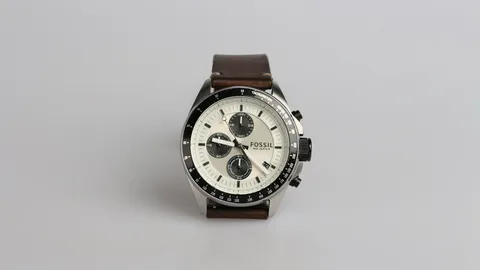
The dial is the watch face at the center of the watch. On an average timepiece, it is a single dial with hands, hour markers, and brand signature. A chronograph can add up to three subdials indicating hour, minutes, and seconds of a day. All of that sits in a small area that is easy to smear, scratch, or cloud. A greasy watch can ruin your look and your experience in reading the time. Yellowing can be contributed by the passing of time and exposure to humid weather and high temperature. Stainless steel watches with accumulated dirt become unhygienic. Frequent bumps and falls are another danger: pieces of glass on the dial may fall, ruining lacquer and damaging signature and numbers. That is why dial cleaning should be conservative. If you are cleaning the whole watch, see how to clean a watch without ruining it for the surrounding parts.
The Dry Pass For Dust
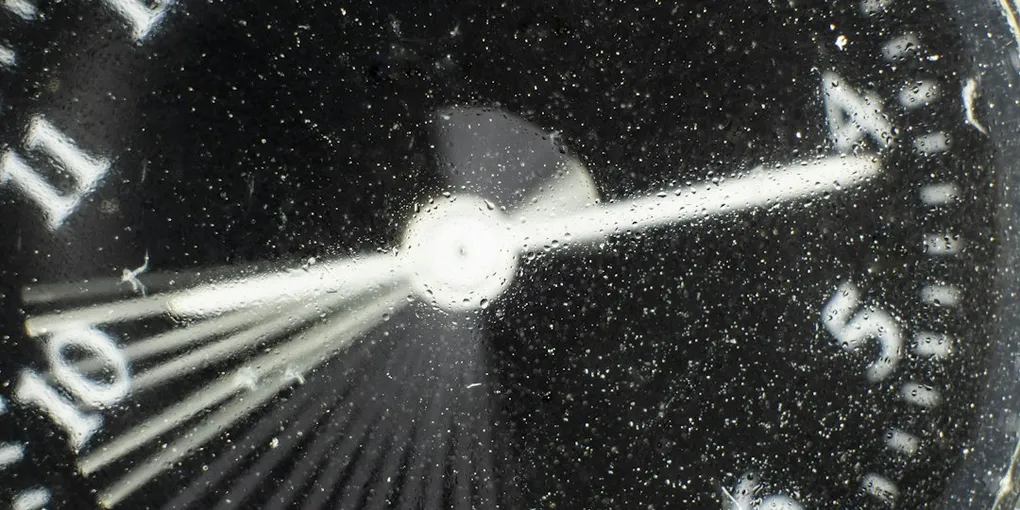
For dust sitting on the dial surface, a dust blower is the listed tool for getting rid of it. It removes loose particles without dragging them across the dial. Broken pieces of glass and tough dirt on the dial can be removed with a toothpick or a sharpened piece of peg wood. For remaining marks from fingerprints, debris, and stains, Silly putty or Rodico can lift them away. Those are the listed dry methods for surface dust, broken glass, tough dirt, fingerprints, debris, and stains.
Spot-Cleaning Smudges Without Removing The Dial
If the dial is still inside the case and the problem is smudges, the listed approach begins with a mix of clean water and mild soap. Use a chamois or lint-free cloth coupled with a soft-bristled toothbrush dipped in a small amount of the mixture to polish the exterior of the watch dial. Then use a Q-tip to reach areas surrounding the dial to pick up grime. The cloth and brush are for the exterior, while the Q-tip reaches the areas around the dial.
A soft dial brush with very mild detergent is another listed cleansing method. It can damage the lacquer, so it deserves caution, but it can reduce yellowing and persistent dirt that cannot be solved in previous steps. That makes it a later-stage option rather than a first move.
When The Dial Must Be Removed
Taking the dial out is a different level of work. The initial step in dial cleaning is to remove the dial by opening the case, releasing the movement, carefully removing the dial, and taking off the hour hands. That means the hands, markers, and signature are all exposed to handling. For dial replacement, the listed tools include a blunt blade, tweezers, a parts tray, a watchmaker’s set of screwdrivers, a watch hands remover, a watch hands picker, a movement holder, and a replacement watch dial. The first step is to open the case using a blunt blade. The second step is to loosen the case back by putting it down crystal-side on your palm and rotating it. Even with those tools, dial replacement in a poor setting can go badly for the watch. A local watch repair shop can replace the lacquered part if the watch is capable, and taking the watch to a professional is the recommendation for safety.
Keeping The Rest Of The Watch Out Of The Way
The dial is not the only part that needs attention. A metal bracelet can be handled on its own; the guide to how to clean a metal watch bracelet covers that process. For the case, how to polish a steel watch case safely addresses scratches without involving the dial. If the watch is on leather, how to clean a leather watch strap safely deals with that material separately. Keep abrasives and excess moisture away from the dial while you work on those components.
When Cleaning Is Not Enough
Simple cleaning has limits. A dial may be yellowing with lots of scratches that cannot be salvaged with simple cleaning methods, or the lacquer may already be ruined. In that case, more rubbing is not the answer. Replacement should be handled with the right tools and environment. If you want to train your eye for dial details after the cleaning is done, the daily challenge at Watchdle is a light way to look closely at watches.
FAQ
Can I clean a yellowing dial without removing it?
Yes, if the condition is not beyond gentle methods. A diluted mix of clean water and gentle soap can be applied with a chamois or lint-free cloth and a soft-bristled toothbrush, using only a small amount to polish the exterior; a Q-tip can then pick up grime around the dial. If yellowing and heavy scratching cannot be salvaged by basic cleaning, replacement becomes the more realistic path.
What does a watch shop typically use for a dial cleaning session?
The listed setup includes water, mild detergent, Q-tips, a lint-free or chamois cloth, a dust blower, and a toothpick. A soft brush and a very mild detergent may also be used for cleansing, though it can damage the lacquer.
Are saliva and jewellery dip ever acceptable on a dial?
Some dials can easily be cleaned with saliva and a soft swab, while some dials cannot. Some dials can easily be cleaned with jewellery dip. Because those outcomes are dial-specific, neither method should be treated as a universal answer for dust and smudges.
When should I hand a dial over to a professional?
Removal begins by opening the case, releasing the movement, carefully taking out the dial, and removing the hour hands. Dial replacement in an inappropriate working environment might lead to the worst case for the watch, so taking the watch to a professional is the safer option when the work goes beyond surface cleaning.