How to Open a Screw-Down Watch Case Back
In this article
To open a screw-down watch case back, you need to hold the watch firmly in a case holder, seat a case wrench into the notches, and rotate the wrench counterclockwise until the threaded back breaks free; after that, unscrew it the rest of the way by hand. That sequence protects the case and gives you controlled leverage. The job is simple, but the details around identification, tool setup, and closing matter more than brute strength.
How A Screw-Down Back Reveals Itself
Flip a watch over and look at the perimeter of its back. A screw-down caseback shows small indentations around the reverse of the case. A snap-off back lacks those visible indentations. That visual check takes seconds and prevents you from attacking a press-fit lid with the wrong tool. Underneath, the screw-down design uses a threaded structure that allows the back of the watch to be tightly and securely shut. Its purpose is to protect the watch’s movement from external elements like moisture and dust. The same architecture also covers and protects the battery and other important internal components. If you are still learning to read case details, a quick round on Watchdle can sharpen your eye before you pick up a wrench.
The Two Tools That Make The Job Predictable
Opening a screw-down case back calls for a watch case wrench and a watch case holder. Those are the required tools, and they appear again on screw-back watches because the same problem applies: you need grip without crushing the case. A wrench generally costs around $8–10. A case holder generally retails for around $20. Most holders feature an adjustable one-size-fits-all assembly, so one unit can accommodate different watches. The wrench has a small thumbscrew in the middle. Twisting that thumbscrew to the left moves the tips farther apart, which lets you match the spacing of the caseback slots. Some people reach for a friction ball, a pair of pliers, or scissors as substitutes. Those can work in a pinch, but they offer less control, and control is what keeps a case from sliding or scratching.

Seating The Watch In A Case Holder
Before the watch goes into the holder, undo the clasp on the wrist band. Removing the bracelet is not absolutely necessary; the clasp simply needs to be open so the strap does not fight you. Place the watch face-down in the holder, so the case back faces upward. Turn the dial on the side of the case holder counterclockwise to open it a bit wider. Then position the watch and turn that dial clockwise to secure it. The goal is for the watch to be held tight and unable to move. The holder’s securing pins are made of nylon or rubber, which gives you friction without metal-on-metal contact. If you want extra stability, clamp the case holder into a shop vice to prevent it from sliding around. Do not solve a loose fit by cranking down with excessive force; that can damage the surface of the watch case. If the case has already picked up scratches, the techniques in How To Polish A Steel Watch Case Safely can help later, but the better move is to avoid creating them now.
Aligning The Wrench And Turning Counterclockwise
Set the wrench tips perfectly on the caseback slot. Adjust the tips depending on whatever case shape you are working with, because a shallow or angled slot needs a different spread than a round back with wide notches. Once the tips sit correctly, turn the wrench counterclockwise until it starts loosening its grip on the case. Continue only until the back breaks free. After loosening, lift off the case back with your hand. At that stage, do not force the wrench further. The threaded back is designed to release; it does not need to be wrestled. The final unscrewing should be done by hand, using your hands to unscrew the caseback all the way.
What To Do Once The Back Is Off
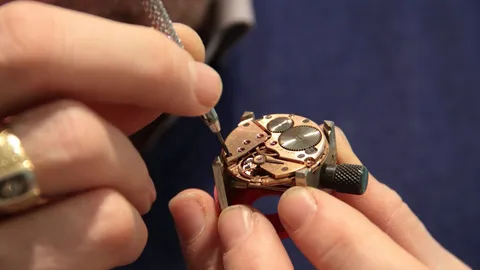
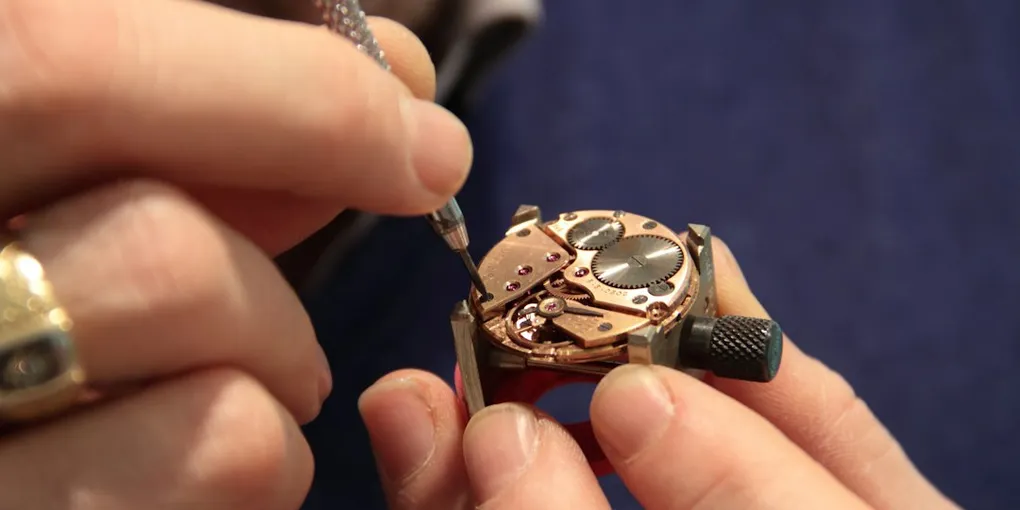
When the back is removed, the movement is exposed. Do not touch the delicate mechanics. That instruction matters because the movement is the most fragile part of the job. If the watch must sit open, keep it in the watch case holder while open. That keeps the case stable and reduces the chance of an accidental knock. A screw-down back often covers a battery, and if that is your reason for opening the watch, the step-by-step approach in Replacing A Watch Battery At Home Without Ruining It is worth reading before you proceed. If the watch has a screw-down crown, the same care applies when you reset it; see How To Set A Watch With A Screw-Down Crown for that procedure.
Closing It Without Compromising The Seal
Closing a screw-down case back is not just a reverse of opening. Start by turning the case back in the opposite direction first to make sure it locks properly into place. This helps the threads find their correct starting point instead of cross-threading. Then screw it tight enough to ensure that no water or dust can enter. You will feel stronger resistance once you reach the seal ring. That resistance is an indicator, not a signal to stop. Full closure has a physical indicator: the metal of the caseback disk touches the watch case. When those surfaces meet, the back is home. If you are unsure how water resistance ratings map to real-world exposure, Water Resistance Ratings: Lab Pressure, Not Diving Depth explains the distinction. And if the watch is still under warranty, do not open it by yourself. Let a professional handle it so you do not create a problem the warranty will not cover.
FAQ
Do I have to remove the bracelet first?
No—bracelet removal is not absolutely necessary, but you should undo the clasp on the wrist band before placing the watch in the holder. That keeps the strap from interfering with the tool.
What can I use if I do not have a case wrench?
A friction ball, a pair of pliers, or scissors are listed as substitutes. They are not ideal because they provide less precise engagement than a wrench whose tips can be adjusted to the caseback slot.
How do I know the case back is fully tightened?
You will feel stronger resistance once the seal ring is reached, and the metal of the caseback disk should touch the watch case. The back should be tight enough that no water or dust can enter.
Is it safe to open a watch that is still under warranty?
No. If the watch is still under warranty, do not open it by yourself. That recommendation protects you from causing damage and from losing warranty coverage.