Why Did Pocket Watches Use A Key Instead Of A Crown?
In this article
Early pocket watches used a key because winding and setting were done by opening the case and turning a key on a square arbor; there was no rotating crown as part of the movement. The key disappeared only when stem movements eradicated it in the late 1800s.
The Key-Wind, Key-Set Era
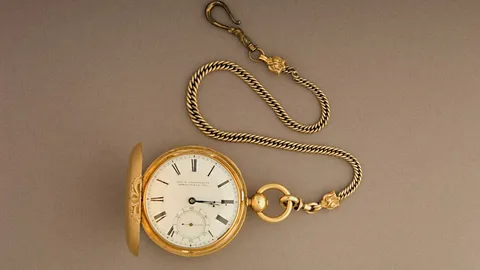
Until the third quarter of the 19th century, early pocket watches were key-wind and key-set movements. That is the technical answer behind the everyday object. The key was not an accessory added to a crown-wound watch; it was the link between the owner’s hand and the movement. When a pocket watch from this period is described as key-wound, it means the case had to be opened before anything could happen. The crown, as later collectors know it, had no role yet.
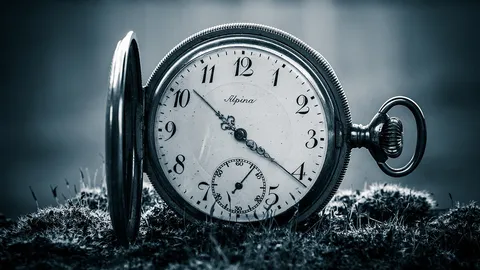
This system lasted a long time. Pocket watches were the most common type of watch from their development in the 16th century until wristwatches became popular after World War I. For much of that span, the key was not a curiosity. It was how the watch was operated. A modern owner might see a crown as the natural place to start, but the crown is not a universal feature of watch history. It belongs to a later set of mechanical choices.
What The Key Was Doing Inside The Case
A pocket watch key had two jobs. One was winding. The other was setting the time via the setting-arbor on the front. Those two tasks explain why the key appears in so many surviving pocket watch sets. Without it, the watch could not be wound, and the hands could not be corrected.
The setting side is less obvious to anyone raised on pull-out crowns. Time adjustment did not happen by pulling a stem and turning. It happened through a separate arbor, and the key was the common instrument for both functions. That is why the key is not just a miniature winder. It is also a time-setting tool, and its shape has to work with the arbor it turns.
Reaching The Winding And Setting Arbors
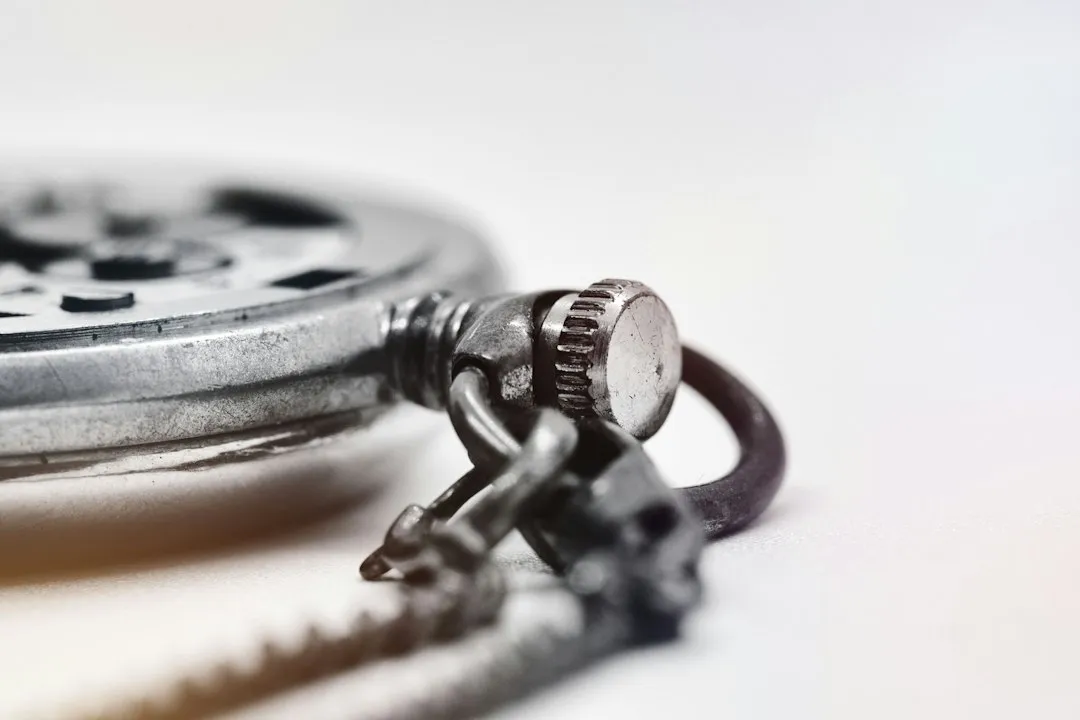
Access was the central fact of key-wound ownership. The key was used to wind the watch and to set the time by opening the case back or the bezel with the crystal to access the winding and/or setting arbor. The case was not just protection; it was a door.
That design shaped the whole object. A key-wound pocket watch cannot be treated like a sealed unit that you simply turn in your hand. The owner has to think about which part of the case to open, which arbor to reach, and how to align the key. The square arbor is a small detail, but it is the reason the key has to match it. The key and the arbor are a pair.
The same logic explains why the key could set the time. If the setting-arbor sits behind the front or under the bezel, the key can reach it once the case is opened. The job is not glamorous. It is a direct mechanical interaction: tool meets arbor, arbor turns, movement responds. The watch does not care whether the hand doing the turning is wearing a cuff or holding a loupe. It only cares that the key fits.
Why A Crown Was Not Waiting As An Alternative
A crown is not a free-floating button that can be added to any movement. It is part of a winding and setting system. The key-based pocket watch had no such system. The arbor was the interface, and the key was the removable handle. When a built-in winding system took over, it changed that interface. The winding and setting actions moved from a separate tool and an opened case to a built-in control. The crown’s own journey from a functional knob to a design feature is a story in itself, and it helps explain why modern owners take the crown for granted: see the evolution of the crown.
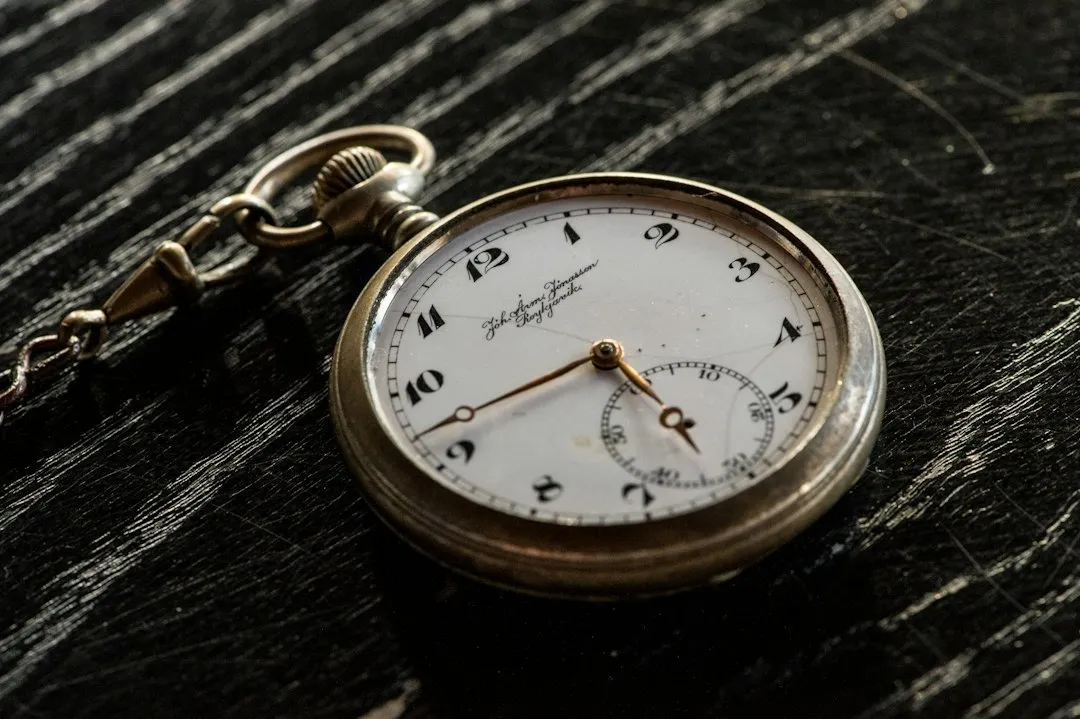
The Long Reign Of The Pocket Watch
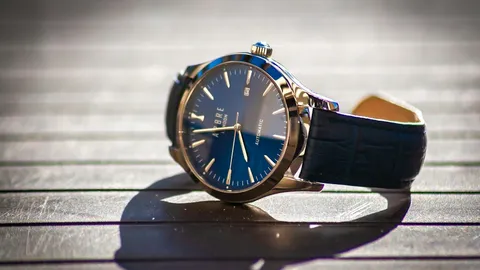
The key era ended before the pocket watch era did. That mechanical change came first; the object stayed familiar on waistcoats and in pockets long afterward. The later move from pocket to wrist is often told as a story of convenience, but it is also a story about controls. A watch worn on the wrist is harder to open and manipulate with a separate key. A built-in crown makes more sense on a wristwatch because the owner can reach it without removing the watch. The wristwatch did not invent the crown, but it made the crown feel natural. The broader transition is traced in how the wristwatch won over the pocket watch.
What A Key-Wound Watch Asks Of Its Owner
A key-wound pocket watch asks for a small ritual. The owner opens the case, fits the key, and turns. The motion is simple, but it is not casual. It requires deliberate handling. There is no crown to pull, no click between positions, no quick adjustment while walking. The watch is a mechanical object that expects to be serviced by hand.
That ritual is part of the appeal for collectors today. A key is a physical reminder that timekeeping was once a set of manual operations. The key also explains why a pocket watch without its key is incomplete for normal use. The key is not a battery or a strap; it is the bridge between the owner and the movement. For a related piece of pocket watch history, see why pocket watches had a chain and fob.
Taking one along? A watch roll keeps it protected in the bag.
If you enjoy identifying watches by their details, the daily puzzle at Watchdle is a quiet way to sharpen that eye. It will not teach you to wind a key-wound watch, but it will make you notice how much a case, a crown, or a dial can tell you about a watch’s era.
The Mechanical Logic Behind The Key
The key system makes sense once you stop thinking of a crown as inevitable. A crown works because a stem runs into the movement. That stem carries the turning motion from the outside to the winding and setting parts. In a key-wound watch, the owner supplies the turning motion directly at the arbor. The key is the handle. The case opening is the access panel. The arbor is the socket.
This is why the “why” is not a matter of preference. A watchmaker building a key-wind, key-set movement had no reason to add a crown. The crown would need a stem, and the stem would need a movement designed around it. The key was simpler for the technology of the time. It was also more demanding for the owner. That trade-off defined pocket watches for generations.
For anyone who wants to compare this with later winding systems, the differences between manual, automatic, and quartz movements are laid out at differences between manual, automatic, and quartz movements. The key is the ancestor of every winding interface, but it is a very different answer to the same question: how do you get energy into the movement and how do you correct the hands?
FAQ
How was the key used to wind the mainspring?
Winding meant opening the back of the watch and inserting the key into the winding-arbor. The key was then turned to act on the movement.
Where was the key inserted on earlier pocket watches that predated rotating crowns?
On those earlier pocket watches, the key was fitted into a hole on the pocket watch caseback. The caseback was the access point for the key.
What did the key actually do inside the movement?
It wound the mainspring, coiling the spring inside the movement to store and release energy. That stored energy is what the movement used after the key was removed.
As an Amazon Associate we earn from qualifying purchases.