What Watch To Wear With A Suit
In this article
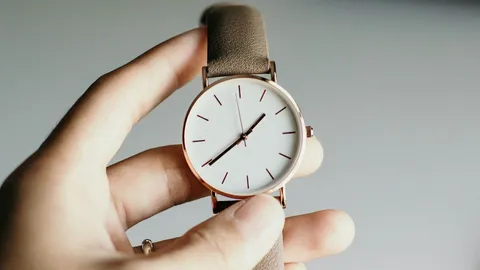
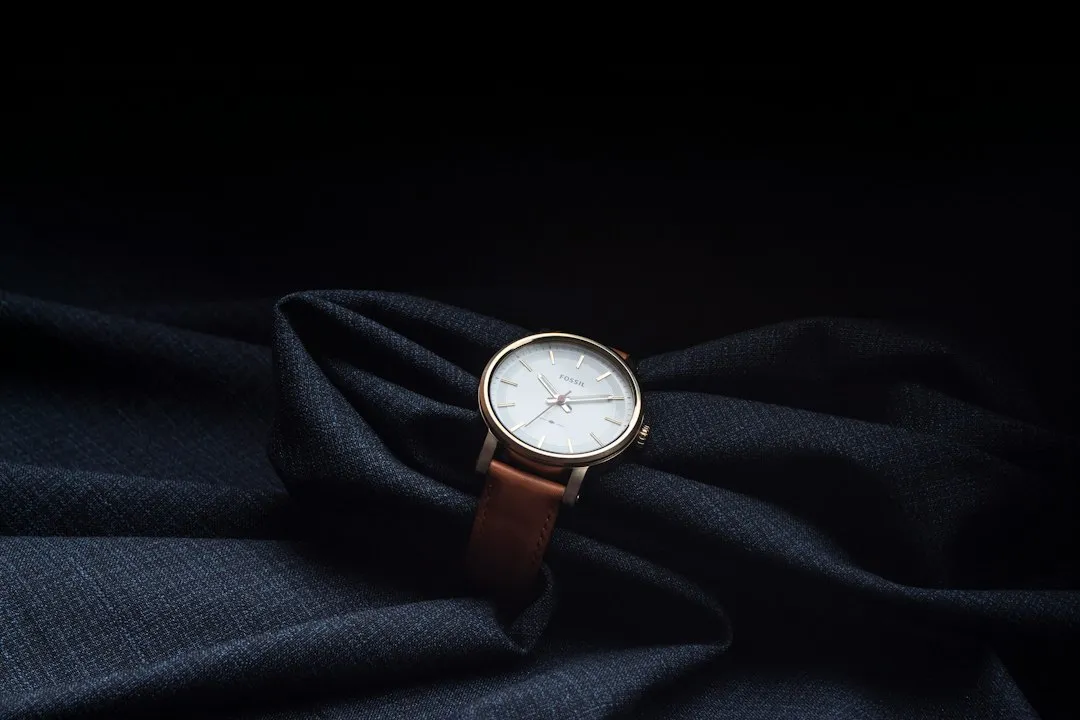
A suit calls for a slim dress watch on a leather strap. The goal is to keep the timepiece hidden beneath a shirt cuff and to avoid clashing tones with the rest of the outfit.
Case Size And Cuff Clearance
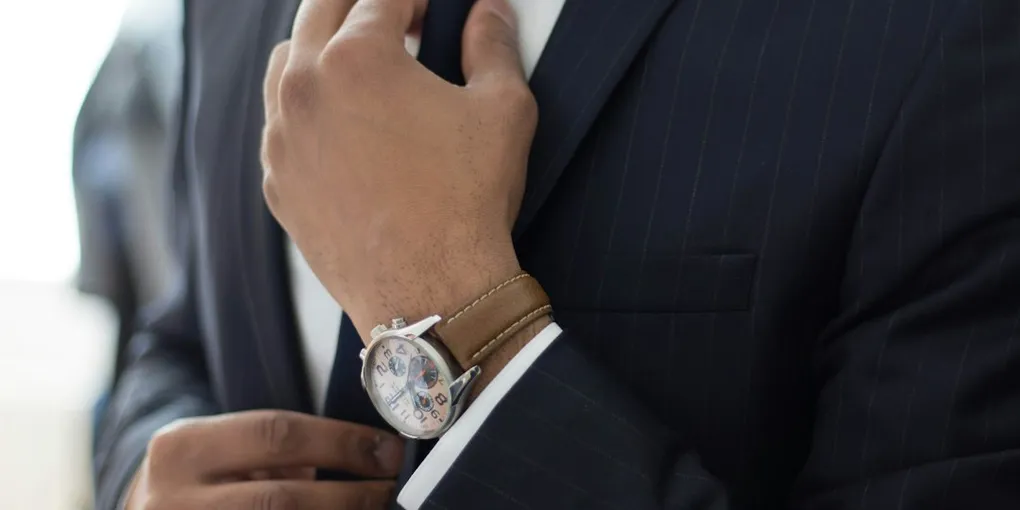
The case must be slim enough to slip beneath a dress-shirt cuff, and its diameter should remain proportional to the wrist rather than dominate the sleeve. A bulky case can push the shirt cuff upward or catch on the fabric every time you move your arm, which breaks the clean line of a suit. Visual balance matters as much as fit: a watch that overshadows the wrist draws attention away from the cut of the jacket and toward the accessory itself. Historical dress watches show how modest these dimensions can be. The Patek Philippe Calatrava 96 measures 30.5mm across. The A. Lange & Sohne Lange 1 111.032 is another historical reference that stays within formal proportions. If you are unsure about your own wrist dimensions, measure them first with How To Measure Your Wrist For A Watch. A watch that sits correctly under the cuff will be visible only when your hand moves, which is exactly the effect a suit should produce.
Oversized Watches And The Dress Limit
Modern catalogs offer references that push well beyond traditional dress proportions. The Sojourn Ebony White Marble Watch measures 43mm across with an 11mm thickness, a 20mm strap width, and a Japanese Miyota 2036 movement. The Immortal Ebony Black Automatic Watch carries a 22mm strap width and a Japanese Miyota 8N24 movement. The Classic Multifunction Silver Maple Grey Watch measures 45mm across and runs on a Japanese Miyota 6P29 movement. These larger references leave less room under a cuff and can look out of scale with a suit. A case that crowds the sleeve also draws attention to the wrist rather than to the overall silhouette, which runs counter to the purpose of formal dressing. Thickness adds to the problem, since a tall case can wedge between the arm and the shirt fabric every time you bend your elbow. Even a well-made leather strap cannot fully compensate for a case that refuses to disappear under a cuff.
Strap Color And Suit Tone
Strap color should follow the leather you wear at the waist and on your feet. Matching the watch band to your shoes keeps the wrist from competing with the lower half of the outfit. The Patek Philippe Calatrava comes fitted with a black leather strap. The Jaeger LeCoultre Reverso Duetto 250.5.86 wears a brown leather bracelet. Metal bracelets generally read as less formal than leather on a suit, though they can work in more relaxed business environments. Leather ages differently than metal, developing a patina that can complement a well-worn pair of shoes. The shade of the strap should sit in the same family as your footwear rather than contrast with it. If you rotate between black and brown shoes, a watch with an interchangeable strap lets you switch without buying a second timepiece; a strap can be changed in two minutes with How To Swap A Watch Strap In Two Minutes.
Metal Coordination
The case should echo the metal of your other accessories, so that silver-toned items call for a silver-toned watch and gold-toned items call for a gold-toned watch. The Patek Philippe Calatrava features an 18kt yellow gold case. The Cartier Tank Obus pairs Roman numeral hour indicators with blue-steeled hands and crown. The Jaeger LeCoultre Reverso Duetto 250.5.86 offers a square silhouette. The A. Lange & Sohne Lange 1 111.032 moves to rose gold. Stainless steel serves as the silver-toned alternative, though it appears more often on sport-oriented references than on traditional dress pieces. Mixing metals can work, but it requires deliberate contrast rather than accidental clash. Cufflinks, belt buckles, and wedding bands all send signals about tone, and the watch should answer them without shouting.
Design And Movement Choices
Dress watches tend toward manual winding and restrained complications, while sport watches often favor automatic movements and greater water resistance. The Patek Philippe Calatrava appeared in 1932 from Switzerland with a manual movement. A hand-wound movement reinforces the ritual of dressing, reminding the wearer to wind the watch each morning much like tying a tie. Complications on a dress watch should remain subtle; a large date window can be practical without breaking formality, whereas a chronograph or dive timer pushes the piece toward sport territory. If you want to understand how manual and automatic movements behave differently, see Manual, Automatic, Or Quartz: How Movements Differ. The distinction between dress and sport categories is explored further in Dress Watch Vs Sport Watch: Building A Two-Watch Collection.
When A Sport Watch Enters The Equation
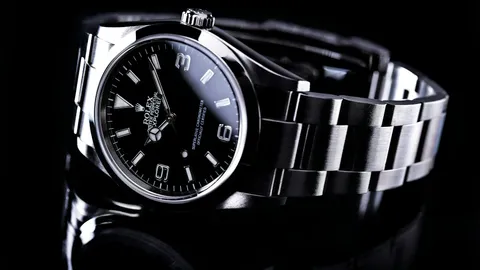
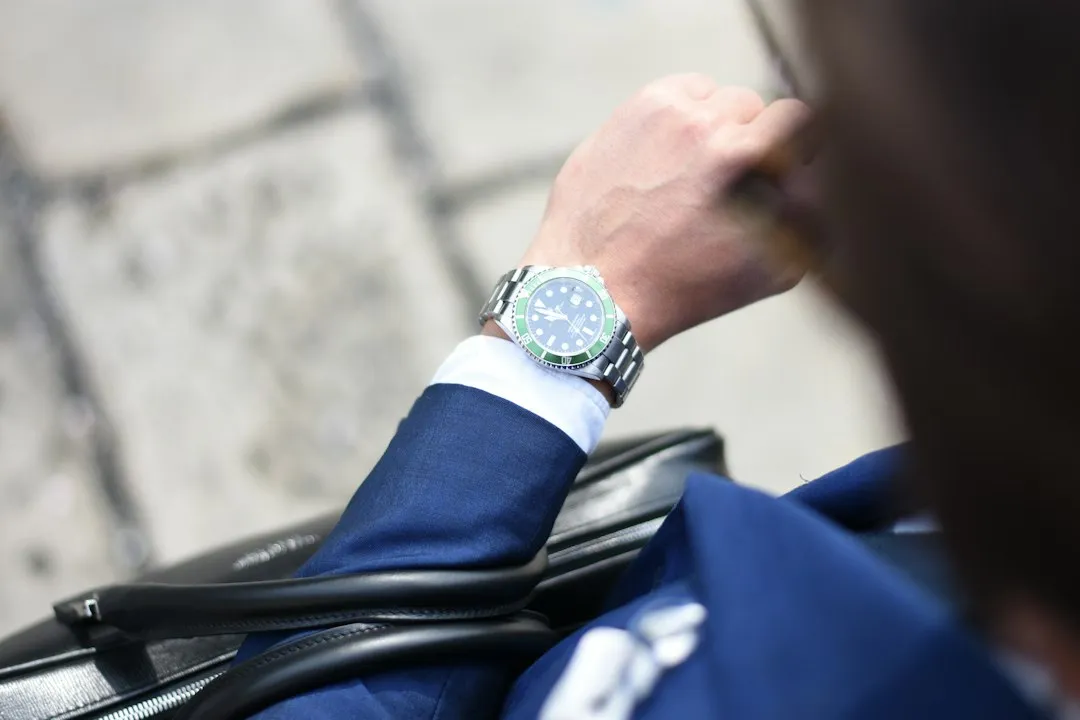
A stainless-steel diver does not follow the dress-watch playbook, even if some wearers pair it with suits. The Rolex Submariner arrived in 1953 from Switzerland with an automatic movement and a stainless steel case, prioritizing legibility and water resistance over cuff clearance. Its luminous dial and rotating bezel serve underwater readability, not the discreet elegance of a cuffed sleeve. A dress watch built from gold with a leather strap remains the safer choice for formal events. That said, personal style can override convention when the overall look is intentional. For a deeper look at what actually matters in a diving tool, see Dive Watch Buying Guide: What Actually Matters.
For resizing or swapping a strap, a strap replacement kit covers the basics.
If you enjoy testing your recognition of references, the daily game at Watchdle offers a quick way to put that knowledge to use. You can try it at https://watchdle.com/play/.
Checking The Fit On Your Wrist
Before committing to a dress watch, try it on with your suit jacket and shirt sleeve fastened. The case should disappear under the cuff when your arm is relaxed, and it should not press against the sleeve when you bend your wrist. Jacket sleeve length matters too; if the sleeve ends too high, the watch remains exposed even when your arm hangs naturally. A leather strap that matches your shoes will finish the look without drawing attention away from the cut of the suit. Take a few minutes to move your arm through a normal range of motion before deciding that a particular reference works with your tailoring. The right combination of case, strap, and metal should feel like part of the outfit rather than an addition to it.
FAQ
What case size range works with a suit?
A suit calls for a case between 36mm and 42mm, which is also the maximum diameter for a men’s dress watch.
Which strap should accompany a black suit?
A watch worn with a black suit calls for a black leather strap.
What strap matches brown leather shoes and a belt?
Brown leather belt and shoes call for a brown leather watch strap.
How should the watch case coordinate with metal accessories?
The watch case should match the belt buckle, cufflinks, or wedding band, pairing silver with silver and gold with gold.
As an Amazon Associate we earn from qualifying purchases.