Replacing A Watch Crystal: Sapphire And Mineral Guide
In this article
Replacing a watch crystal means removing the transparent cover that sits on top of the watch face and fitting a new one, and the material you choose shapes everything that follows. Sapphire is the strongest answer for scratch resistance, mineral glass absorbs impacts a little better and costs less, and either way the finished job needs correct sizing and pressure testing to keep the watch sealed.
What The Crystal Does And Which Material You Have
A watch crystal protects the dial and seals out dust and moisture. That makes it a functional part, not just a cosmetic lens. Three materials dominate: acrylic, mineral glass, and sapphire.
Acrylic is one of the three, and it shows up frequently on vintage pieces. It is not the hardest option, but it has its own place in older watches.
Mineral glass is heat-treated glass. It is harder and more scratch-resistant than acrylic, and it is often installed with a press. That makes it a practical choice for daily wearers. It is also far more prone to scratches than sapphire. You will often find mineral glass in mid-tier watches such as Seiko 5s, Casios, and certain Timex models.
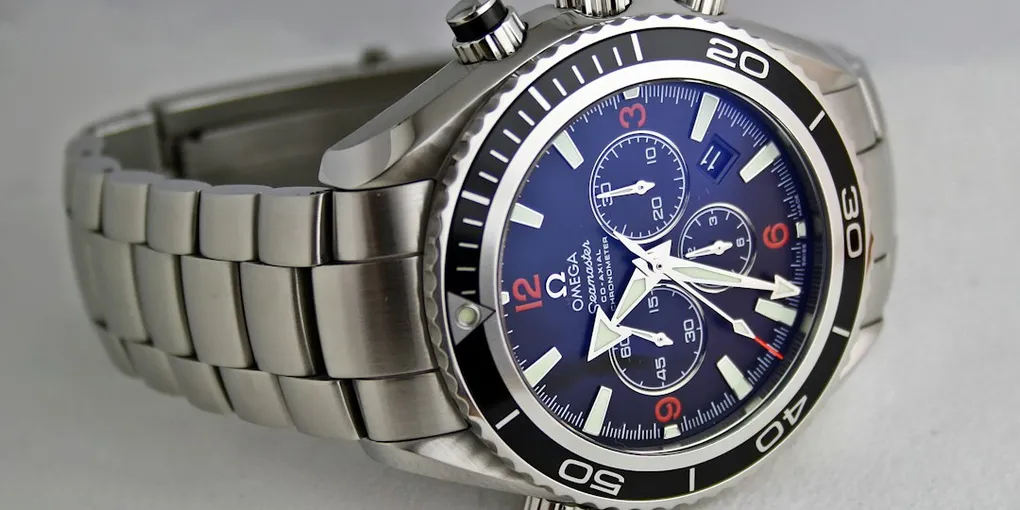
Sapphire crystal is made from synthetic sapphire, a material nearly as hard as diamonds. Luxury brands including Rolex, Omega, and Breitling use it by default. That default status comes with a cost: sapphire is more expensive to replace. For a deeper look at how these materials stand up to daily wear, the scratch test comparison is a good next read. The business and practical reasons brands choose sapphire are also worth understanding, especially if you are weighing a replacement against an upgrade. And if you have ever wondered why sapphire became the luxury standard, the material’s hardness and origin explain much of it.
Why The Replacement Job Is Not A Kitchen-Table Project
Crystal replacement is not DIY-friendly. Precision tools and pressure testing are crucial. A crystal that looks seated can still leak if the seal is wrong, and that is why professional crystal replacement includes gasket checks and pressure testing to ensure the watch remains sealed and waterproof. Sapphire replacement adds another layer of difficulty because it involves exact sizing and pressure testing to maintain water resistance. Sapphire is also tricky to DIY, so professional installation is often recommended. Pressure testing is what connects the bench work to real-world water resistance.
The Replacement Sequence From Assessment To Final QC
A proper replacement follows a defined sequence: crystal type assessment, case disassembly, crystal removal, new crystal fitting, water resistance testing, and final QC. That order matters because the new crystal must match the case, sit correctly, and survive the same pressure the watch was built for. Most replacements are done within 3-7 business days depending on crystal availability. If you are sourcing a crystal yourself, availability can be the difference between a quick turnaround and a waiting game. The final QC step is not a formality; it is the last check before the watch goes back on the wrist.
Cost Ranges For Acrylic, Mineral, And Sapphire
Replacement cost tracks the material. Acrylic typically runs $5-$20. Mineral glass usually falls between $10-$50. Sapphire runs from $50-$200. Those ranges make the trade-offs concrete. Acrylic is the least expensive path. Mineral glass is the middle ground. Sapphire carries a premium because the material itself is harder and more expensive to source and fit. The cost difference also explains why a mineral-to-sapphire upgrade can feel tempting. You are not only paying for the part; you are paying for the precision required to fit a harder crystal without compromising the case or the seal. If the watch is a daily wearer with a scratched mineral crystal, the upgrade may make sense. If the watch is a vintage piece with an acrylic crystal, keeping the original material may be the more faithful choice.
For everyday care, a simple watch cleaning kit does the job.
Upgrades, Fit, And What To Confirm Before Work Begins
A mineral-to-sapphire upgrade is often possible if the watch has standard dimensions. The consideration is that it may slightly change thickness or tension of the seal. That does not make the upgrade a bad idea, but it does mean the job should be measured rather than guessed. Before any crystal is ordered, confirm the dimensions and the intended material. Ask whether the case can accept the new crystal without altering the seal. If you want to sharpen your eye for crystal types and watch details, Watchdle’s play page offers a relaxed way to do it: https://watchdle.com/play/. A watchmaker who checks clearances and gasket behavior will know whether the swap is straightforward or whether the original material is the safer choice.
FAQ
Can Acrylic Crystals Be Polished And Replaced Easily?
Yes. Acrylic scratches easily, but it is incredibly easy to polish and replace. It is also cheap and lightweight, which is why it remains a practical choice for vintage or budget watches.
What Common Mistakes Should You Avoid During A Crystal Swap?
Using the wrong size crystal, failing to clean debris or old adhesive, applying too much glue or uneven pressure, and not replacing gaskets can lead to water damage. Each of those mistakes can compromise the seal even if the new crystal looks correct.
What Happens If A Sapphire Crystal Takes A Hard Impact?
Sapphire can shatter if dropped at the wrong angle. Its scratch resistance is excellent, but that hardness does not make it immune to a sharp impact.
As an Amazon Associate we earn from qualifying purchases.