GMT-Master’s 1955 Pan Am Origin and Pepsi Identity
In this article
From airline need to dual-time tool
Pan Am’s 1955 request turned a cockpit timekeeping problem into the Rolex GMT-Master, a dual-time tool.
How the hand and scale worked
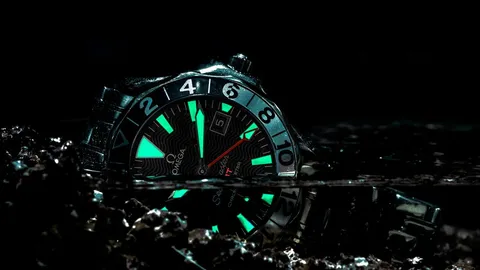
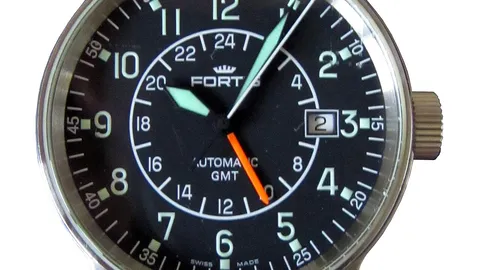
The dedicated hand completed one daily circuit, unlike the ordinary hour hand. It let a pilot monitor a reference zone without resetting the conventional hands. Turning the bezel aligned its full-day markings; the two halves made the scale easier to interpret. This analog system was quick and self-contained. The GMT hand and its role in travel and the GMT watch’s origin as an airline solution trace this logic.
Why the pairing earned a nickname
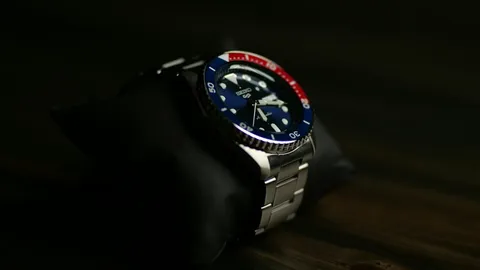
The Pepsi label identified a GMT with the original dual-color insert, not a different movement, case metal, or limited edition. Those shades split the dial into recognizable halves and gave the pilot’s watch a strong, tool-like contrast. The Pepsi bezel nickname became shorthand for that combination.
Working character, comparisons, and legacy
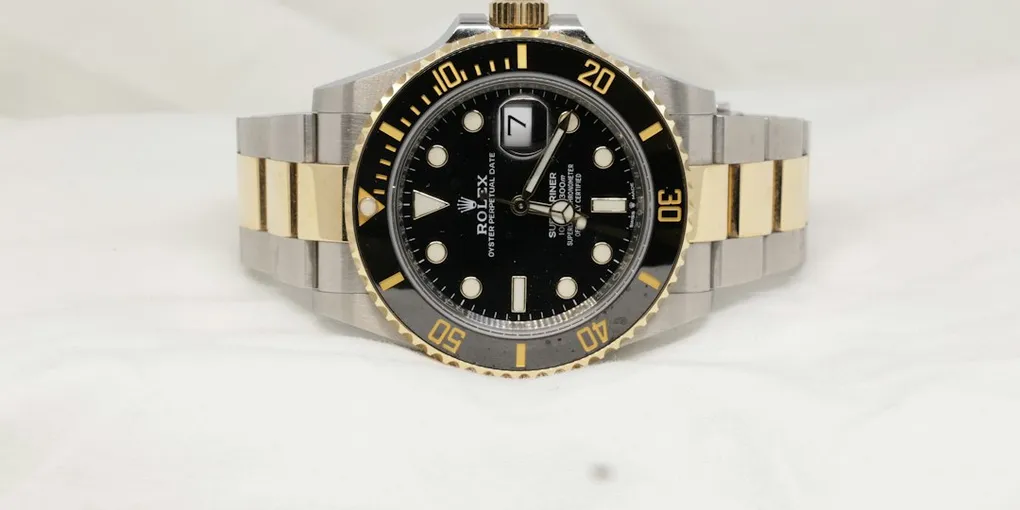
A steel case kept the watch durable, repairable, and unpretentious; automatic winding spared the wearer daily hand-winding; Swiss manufacture tied it to precision and reliability. Within Rolex’s professional range, the Rolex Submariner addresses underwater minutes, while this model addresses the distance between home and away. The GMT watch buying guide connects that travel function to modern choices. Its aviation origin and distinctive face secured a place in watch culture; for a daily test of that knowledge, Watchdle turns silhouettes, dials, and bezels into clues.
FAQ
What did the two insert colors signify?
The red side indicated daytime; the blue side indicated night.
Why is the model called Pepsi?
Collectors adopted the name for that insert, not for a separate production category.
What did the rotating bezel measure?
A complete day, allowing a second zone to be read against the extra hand while local time remained undisturbed.