How To Choose A Watch For A Child: Size And Durability Guide
In this article
The short answer: let age and wrist size choose the watch before style does—most three-year-olds do best with a simple, colorful analog watch with large numbers, while digital can wait until around eight and a grown-up or simple smartwatch until eleven or twelve. Durability then comes down to a case that suits the wrist, a screen that can take scratches, sensible water protection, and—for smart models—features that match the child’s age.
Start With The Age, Not The Brand
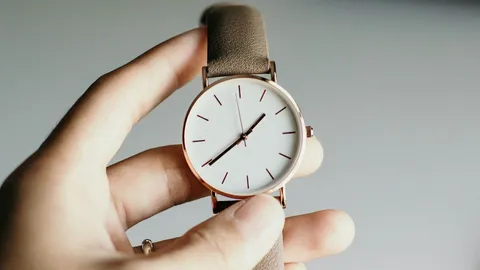
Between three and five, a watch is mostly a prop for getting used to hands and numbers; a child in that range does not yet have a real sense of time. That is why a simple, colorful analog watch with large numbers works better than a miniature version of an adult design. Around age six, most children learn to tell time with an analog clock, so a clear analog watch is the natural next step. The face should be clear rather than busy; that is the essential feature at this stage.
By eight, many children learn to read a digital clock, which is why a digital watch becomes a reasonable option. Around the same age, they begin to develop their own personal taste, so themes start to matter. Garonne Kids, Lacoste, and Timex cover football, cars, superheroes, and digital watches. If you are choosing for a birthday or holiday, a broader framework for choosing a watch as a gift can keep the decision from turning into a guessing game.
Case Sizes That Match A Child’s Wrist
Small wrists need small cases, and the kids’ market has clear starting points. Lorus and Flik Flak offer watches for younger children. The Lorus R2351MX9 Young watch measures 28 mm; Flik Flak FBNP244 is 29.5 mm. Calypso Kids K6069/1 comes in at 30 mm, and the Ice-Watch 024501 ICE learning watch is 28 mm. Those numbers are not arbitrary: a 28–30 mm case keeps the watch from overwhelming a small wrist.
Before buying, measure a child’s wrist and compare it with the case and lug-to-lug dimensions in a case, lug-to-lug, and fit guide. A watch that is too large catches on sleeves, slides around, and becomes uncomfortable to read. A watch that is too small may feel like a toy rather than something the child wants to wear. The sweet spot is a case the child can forget about while still being able to read the dial at a glance.
Durability Rules For Analog, Digital, And Smart Watches
Screen, Water, And Battery
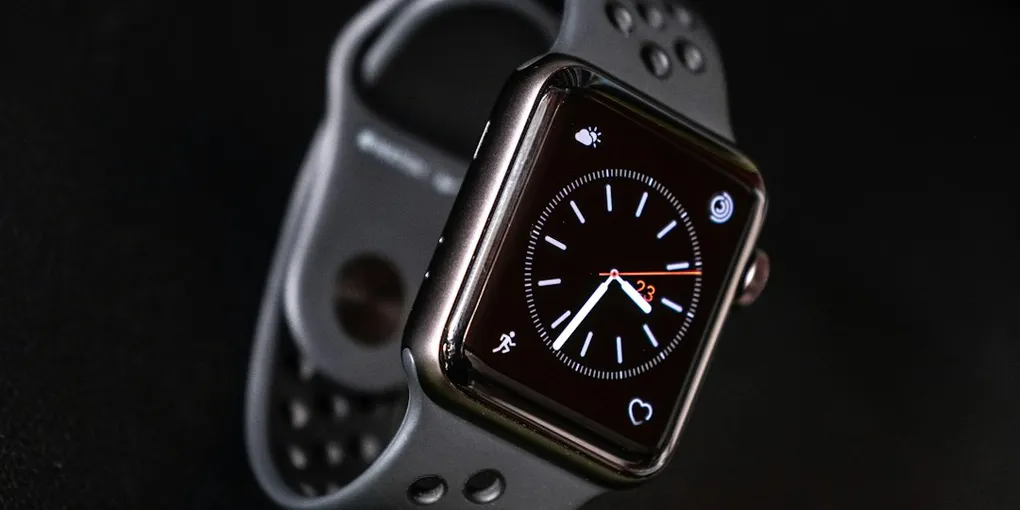
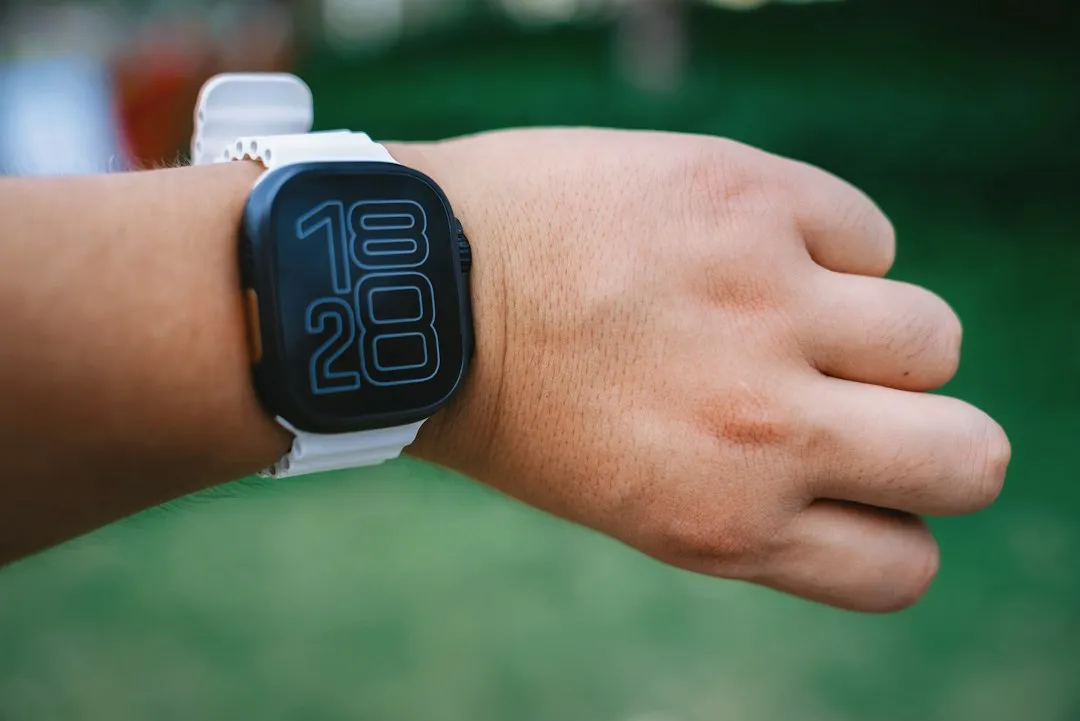
On a child’s smartwatch, durability begins with construction: look for sturdy material construction with scratch and water-resistant screens. Resistant features should protect against water immersion incidents as well as splashes or rainfall. It helps to understand what water resistance ratings actually mean before trusting a label. A watch that survives handwashing and rainy walks is more useful than one that has to be removed every time the child goes near a sink.
Parents comparing smart watches should weigh durability, battery life, and age-appropriate functionality rather than chasing every feature. A child-friendly interface matters too: big buttons and simple menus reduce frustration and accidental taps. If the watch is hard to operate, the child will stop using it, no matter how many capabilities it lists on the box.
Safety Features That Deserve Attention
Watches designed for children may include SOS buttons for emergencies and a trusted contacts list. Those features are only useful if the child can reach them quickly, so the physical design and menu path should stay simple. An adult should set up the trusted contacts and check them periodically. An SOS button should be easy to press in a real moment but not so exposed that it triggers during ordinary play.
For a younger child, the watch is not a miniature status symbol; it is a tool for time, communication, and—when the model supports it—reassurance for the parent. That framing makes durability less about luxury materials and more about whether the watch can handle the child’s actual daily routine.
Style Shifts Around Age Ten
Most children outgrow standard children’s watches around ten. That is when brands such as Ice-Watch, Festina, Lotus, Olympic, and Lacoste begin offering smaller versions of adult watches. The shift is partly physical—wrists grow—and partly social, because the child starts to care about looking older. A smaller adult-style watch can feel like a milestone rather than a downgrade.
For ten-year-old girls, sizes often fall between 28 and 32 mm, with flowers, rainbows, and white or soft colors leading the design language. For ten-year-old boys, green, blue, and black are common, often paired with a steel bracelet. Displays move toward analog-digital or adult-style chronograph designs. The Garonne Kids Q475 series uses an analog and digital display. Festina and Lotus lean into adult-style chronograph looks.
Specific examples include the Lacoste 2030040 12.12 Kids watch at 32 mm, the Ice-Watch 018423 ICE fantasia at 28 mm, the Festina F20457/2 Junior at 36 mm, and the Garonne Kids KQ26Q475 Sports Ani-Digi at 38 mm. Those last two show how quickly “kids’ sizing” can stretch toward adult proportions. If the child is drawn to cleaner, dressier shapes, the principles in dress watch sizing and strap choices apply even at smaller scales. For a child who is starting to notice models and references, a daily round of the Watchdle game at https://watchdle.com/play/ can make that recognition feel like play rather than a lesson.
FAQ
How long should a child’s smartwatch battery last?
A practical baseline is continuous operation for at least one day from a single battery charge.
What safety features make a kids’ smartwatch more useful?
Many smartwatches for children include real-time location monitoring, and GPS watches give parents that location feed directly. Geofencing can establish safe areas and alert parents to unauthorized departures.
What privacy controls matter on a child’s smartwatch?
Look for secure data encryption and parental controls for app usage and screen time.
What can a smartwatch track beyond time?
Smartwatches can track movement, step counts, daily calorie expenditure, and sleep data. Advanced models may also include educational applications and games.