Why Are Watches Worn On The Left Wrist?
In this article
The left wrist became the default because right-handed wearers kept their working hand free, and watchmakers arranged controls for that choice. The custom hardened into convention, which is why the left side feels standard to so many people.
An Ornament On The Left Wrist In The 18th Century
The tradition begins with nobility, not with military necessity or industrial design. In the 18th century, aristocrats wore watches as precious ornaments attached to the left wrist. That practice rooted the left wrist in watch-wearing habits, giving later generations a fashionable precedent to follow. The object was valuable, visible, and attached to the left wrist. What began as a display of status became a template. The result was durable: the left side became the traditional home for a watch. That tradition did not depend on a single inventor or a single decree. It grew from repeated personal choices made by people who wanted to show off a valuable object. Those choices were not yet about reading the time at a glance in a meeting or checking a dive timer. They were about ornament, status, and the visible display of a fine mechanism. A watch attached to the wrist could be admired without being held. The left wrist carried that display, and the habit stuck.
Why The Dominant Hand Stayed Free
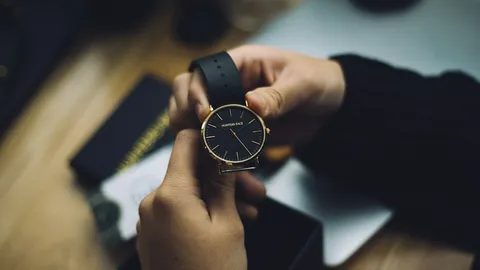
Right-handed individuals gained a practical advantage by attaching the watch to the left wrist: the right hand remained free to move. Since the right hand was also the one in frequent use, putting the watch there increased the risk of damaging a fragile object. The left wrist kept the watch out of the way of the hand that did most of the work. This is the simple logic behind the non-dominant-hand habit. Most people wear a wristwatch on the non-dominant hand. Right-handed people usually wear a watch on the left wrist. The pattern is not an accident of fashion; it is a way to protect a delicate piece of machinery from the hand that opens doors, lifts bags, writes, and gestures. A watch on the active side would meet tables, doorframes, and tools more often. A watch on the quieter side has a better chance of surviving daily life. That practical calculation helps explain why the left side caught on long before anyone was arguing about style.
How Winders And Crowns Made The Left Wrist Feel Natural
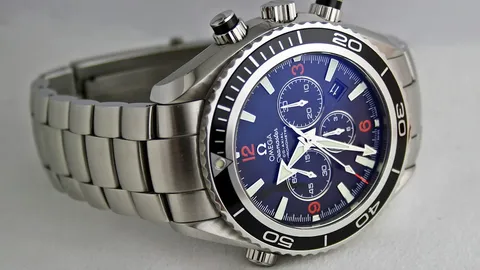
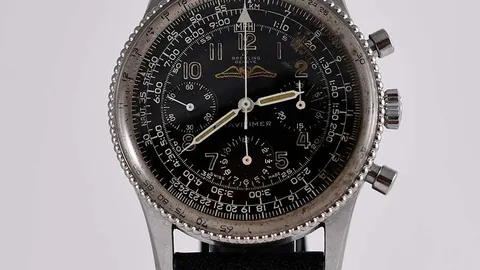
Watchmakers reinforced the left-wrist habit with hardware. They positioned winders on the right side of watches to make winding easier for those wearing the watch on the left wrist. That single design choice created a strong asymmetry: the vast majority of watches have the crown on the right side of the case. For a right-handed person wearing the watch on the left wrist, the crown becomes easily accessible, making it easy to change the time. Move the same watch to the right wrist, and setting the time becomes essentially impossible with the watch on the arm. The result is a feedback loop between wrist choice and case design. The left wrist made the right-side crown useful, and the right-side crown made the left wrist feel correct. This asymmetry is why the crown side can feel intuitive or awkward depending on which arm carries the watch. If you have ever wondered why the crown is almost always on the same side, the answer is tied to this left-wrist default; the same layout is explored in why watch crowns sit on the right side. The part itself has its own details, including why watch crowns are knurled, but its position is the key to the left-right story.
The “Officially Correct” Wrist And Its Social Weight
At some point the left wrist acquired a social label. It was called and considered the “officially correct” wrist for men. That phrase sounds strict, and it has the confidence of an old rule. It reflects a long-standing preference rather than a technical requirement. The label probably did more work than any watchmaking manual. It turned a habit into a norm, and a norm into something people repeated without thinking. The left wrist became the side that looked right in portraits, in business settings, and in the general imagination of how a man should wear a watch. That social pressure is weaker today, but it still shapes the default. Many watch designs simply assume the left wrist. When a design assumes a wrist, the assumption can feel natural to the majority. The phrase “officially correct” does not come from a standards body; it comes from social habit.
Fit, Strap Tension, And The Side You Choose
The side you choose is only half the equation. A watch that is too large or too small will feel wrong no matter which wrist it sits on. A watch that slides toward the back of the hand or crowds the wrist bone will annoy you long before its crown placement matters. That is why fit deserves as much attention as tradition. If you are choosing a wrist and a watch, it helps to measure your wrist rather than assume a standard size will feel right. The left-right question is about habit and access, but the daily experience is about comfort and proportion. A well-fitting watch on either wrist will beat a poorly fitting watch on the “correct” one. That is not a rejection of tradition; it is a reminder that tradition grew from practical choices in the first place.
A Playful Check On Crown Position
Curiosity about watch design is easier to enjoy when you can test your eye. The game at Watchdle gives you a light reason to look closely at watches and notice details such as where the crown sits. It is a small reminder that the smallest features often carry the longest history. The left-right wrist question is a perfect example: a habit that began with 18th-century ornament, survived through right-handed convenience, and became encoded in case design. The next time you see a watch on a right wrist, you can spot the crown side immediately.
FAQ
Are most people right-handed?
Yes, most people are right-handed. That majority helped make the left wrist the common traditional side for a watch.
Do left-handed people wear watches on the right wrist?
Left-handed individuals tend to wear their watch on the right hand and may prefer the right wrist. Their habit mirrors the non-dominant-hand pattern.
What did Tudor change for left-handed wearers?
Tudor developed “left-hand models” with the crown and crown guards on the left side of the watch case. That places the controls on the opposite side from the standard layout. For a closer look at how crown position affects fit and water resistance, see left-handed watch design.
Is there a strict rule about which wrist?
No, there is no strict rule. The left wrist is a convention, not a requirement.