Pilot Watch Buying Guide: What to Look For
In this article
The short answer: pick the role first, then judge the watch by the details below. Confirm the full reference number against the maker’s published details before you commit.
Pilot watches are not a single template. The category spans aviation-inspired style, high legibility, travel, chronograph timing, GMT tracking, and everyday wear. That range explains why two buyers can use the same phrase and mean very different watches. Decide which of those roles comes first, because your priorities shift with the answer.
Six Specifications to Compare
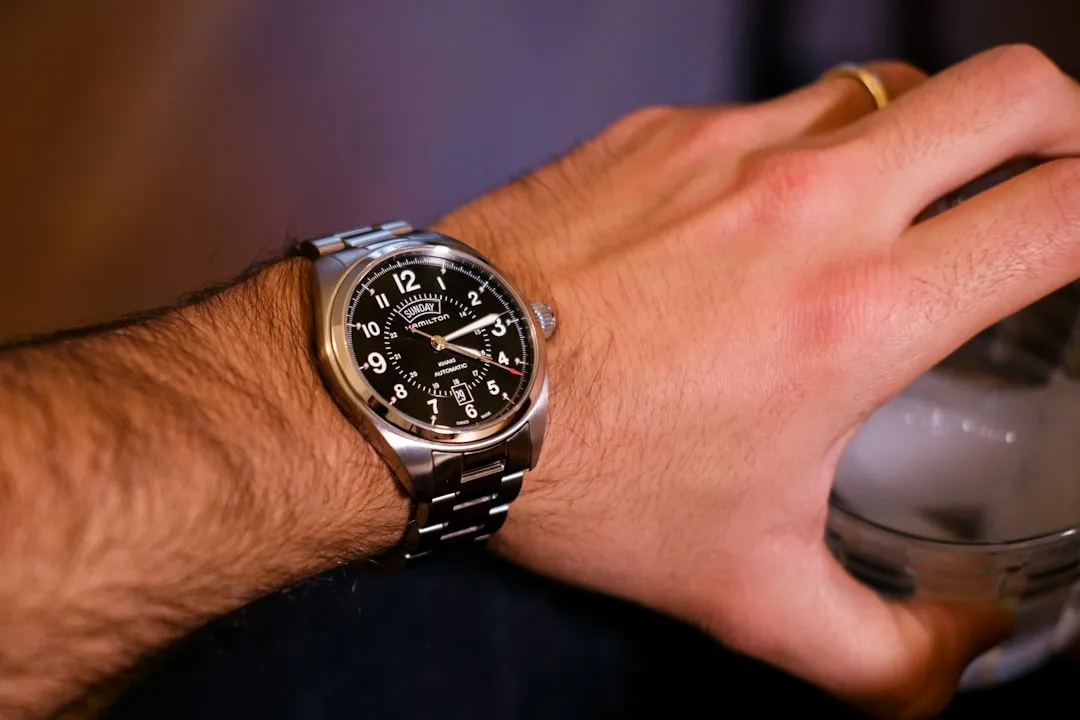
When evaluating candidates, keep these in view: dial contrast, case dimensions, crown and pusher controls, movement type, GMT or chronograph functions, and strap comfort. They determine whether the watch works for you, not merely whether it resembles cockpit equipment. A correct silhouette cannot rescue a model that fails one of these points.
Dial contrast controls how quickly information reads. Case dimensions determine wrist presence and fit. Controls shape daily operation. Movement type defines the ownership experience. Functions establish what the watch can do beyond timekeeping. Comfort decides whether it stays in rotation. To practice comparing such traits without spending money, try the Watchdle game at https://watchdle.com/play/.
Match Priorities to the Role
Not every specification deserves equal weight. Weight them according to the role you selected.
| Role | Prioritize | Why |
|---|---|---|
| Aviation-inspired style | Dial clarity, proportions | The look must remain readable and wearable, not just thematic. |
| High legibility | Case fit, operation | The dial presentation and operation should support quick glances. |
| Travel | Adjustment, movement | Adjustment away from home should feel predictable. |
| Chronograph timing | Movement, timing layout | Timing use depends on the stopwatch layout and movement. The chronograph buying guide for first-timers explores the trade-off. |
| GMT tracking | Extra display, comfort | The added feature is useful only if long wear remains comfortable. See the GMT watch buying guide for layout comparisons. |
| Everyday wear | Comfort, readability | Daily use exposes small annoyances; fit and legibility matter most. Proper bracelet sizing helps prevent that problem. |
Verify the Reference
A complete model reference is not trivia. Names can hide differences in size, color, movement, or included accessories, so a familiar label may not identify the exact watch you have in mind. A listing headline, nickname, or seller summary cannot be your only guide.
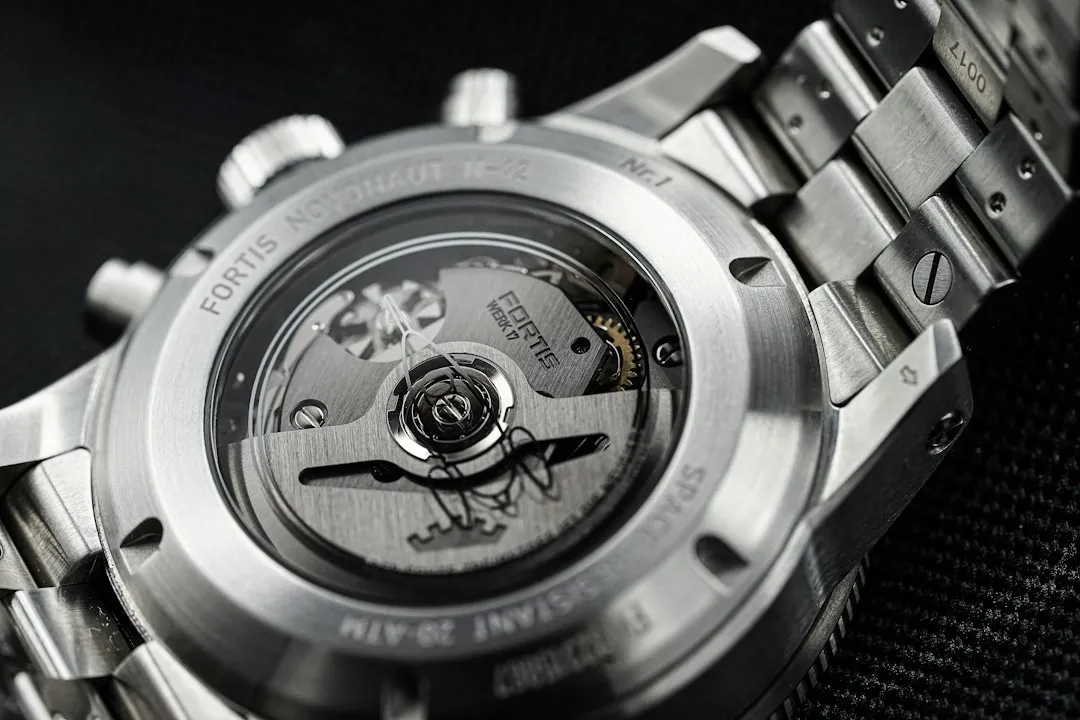
Use manufacturer specifications as your reference point. Seller copy can supply photos and condition notes, but it should not define the model. Check the reference, then confirm what that reference includes. If details conflict, pause. A pre-purchase watch checklist can help you inspect key points before payment.
Compare Two Finalists
Place the two watches side by side and score them against those points, weighted by your chosen role. A travel buyer may tolerate weaker legibility for better controls and movement suitability. A daily-wear buyer may give up features for a strap that disappears on the wrist. The aim is not a perfect watch; it is one whose compromises match your habits.
If you keep returning to the same two or three criteria, those are the ones that matter. If you find yourself excusing a weak area, it will likely bother you later. A pilot watch should feel deliberate in use, not merely impressive in a photograph.
Common Mistakes
Common errors include buying the look before the role, treating all criteria as equally important, and trusting a familiar name; similar labels can point to different sizes, colors or movements. Skipping the maker’s data for dealer text is another trap. Slow verification protects you from buying a watch that matches a description rather than the reference.
FAQ
Which reference details should I confirm?
Confirm the exact case size, movement, and what is included from the brand. A nickname or listing title is not enough to identify the watch.
Is a chronograph necessary?
Only if timing belongs in your routine. Otherwise, the extra pushers and timing functions become an aesthetic choice rather than a practical benefit.
How should I judge fit?
Pay attention to how the case sits and how the strap feels. A watch can look right in a photo yet remain unworn if it feels awkward on the wrist.
What if two models look alike?
Compare their complete references rather than their names. A small reference change can point to a different watch.
DETECTED PROBLEMS: phrase repeated 3 times: “similar names can represent different sizes”