Omega Seamaster 300: A Professional Dive Watch History
In this article
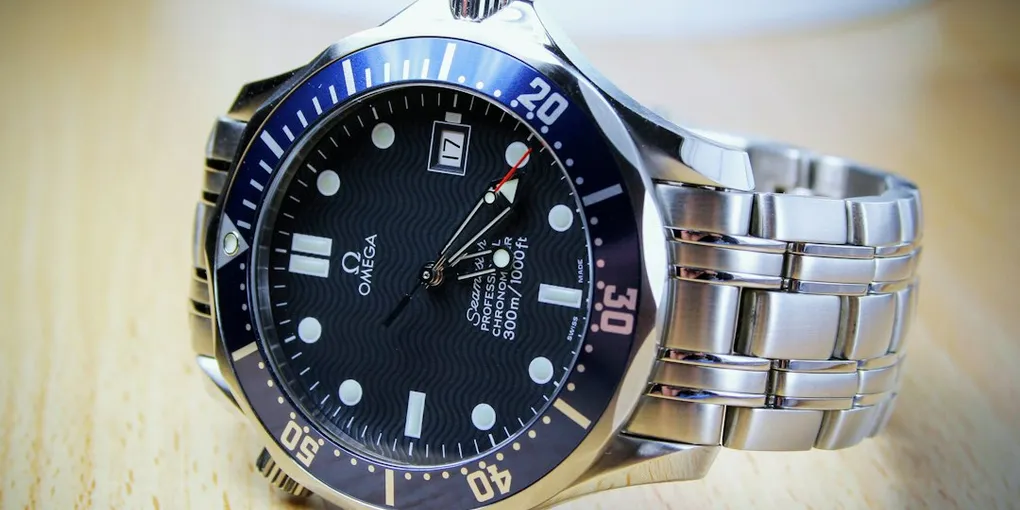
The Omega Seamaster 300 emerged in 1957 as a steel, automatic, Swiss-made dive watch that Omega called its first “Professional” Seamaster. It was designed for professional divers, and its history reaches back to the 1932 Omega Marine.
The Deep Roots
The Seamaster 300 did not appear in a vacuum. Its lineage reaches back to Omega’s earliest underwater experiments, a long runway that showed the brand was thinking about water resistance before the Seamaster name became a known quantity in diving. That early chapter matters because dive watches evolved from specialist tools into objects with broader cultural appeal; the history of the dive watch from tool to icon tracks that arc. The Seamaster 300 belongs to the moment when professional diving was becoming more organized, more public, and more demanding of equipment. It was not the only watch in that conversation. Competition existed, and that context shaped what divers expected from a serious underwater watch. Omega’s entry had its own identity: a clear working brief rather than a fashion statement. That brief is why the model still reads as a tool first and a luxury object second.
The Meaning Of 300
The number on the dial is more than decoration. Omega rated the Seamaster 300 to 200 meters, yet named it for 300. The reasoning was confidence: Omega believed the watch could handle pressures as deep as those at 300 meters, even though the testing equipment at the time could only record down to 200 meters. That gap between a recorded limit and an intended capability says a lot about how the watch was positioned. It was not a casual swimming accessory. It was a tool meant to be trusted when conditions were less forgiving. For a modern reader, the distinction is useful because water resistance ratings reflect lab pressure rather than literal diving depth. The Seamaster 300’s name, then, carried a promise that exceeded what the instruments of its era could formally confirm. That is a powerful thing for a watch to carry: a name that looked beyond the test bench.
Jacques Cousteau And The Underwater Imagination
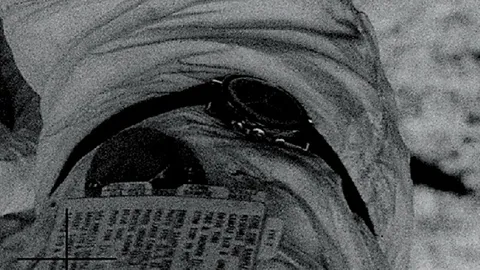
The Seamaster 300 is associated with Jacques Cousteau. That association matters because it ties the watch to a specific figure in underwater history rather than leaving it as an anonymous tool. A watch connected to a known name carries a story with it; the object becomes part of a larger narrative. The association gives the model a human anchor. Its presence in that world gave it credibility that no advertising copy could manufacture. Even today, the Cousteau link helps explain why the Seamaster 300 feels like more than a vintage dive watch. It belongs to an era when the ocean was still being mapped in the public imagination.
Design Evolution Across The Line
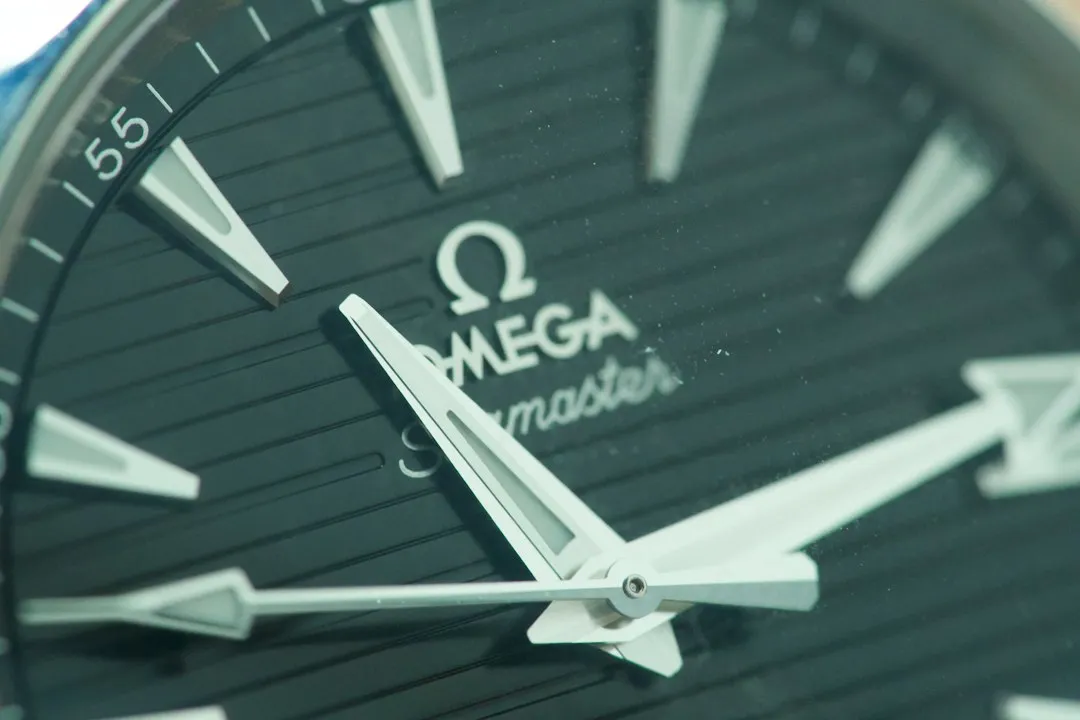
Over the years, the Seamaster 300 was not a single frozen design. Omega used multiple dial types, multiple sets of minute and hour hands, multiple bezels, more than one case style, and several movements. That variety is one reason the name can mean different things to different collectors. An early example and a later example may share a family resemblance, but they do not tell the same story on the wrist. The bezel is a good example of how dive watches changed: from simple elapsed-time tools to components shaped by materials and durability concerns. The move toward ceramic bezels and their practical benefits is part of that wider evolution, even if each generation of Seamaster 300 solved the problem in its own way. Dials and hands changed too, which is why two watches with the same model name can have very different visual temperaments. For collectors, that variation is not a flaw. It is the texture of a long-running line.
Omega’s Wider Tool Watch Story
The Seamaster 300 was one expression of Omega’s interest in professional instruments. The brand’s tool-watch history also includes the Omega Flightmaster, a very different answer to a very different set of needs. Looking at them side by side shows how Omega adapted its engineering language across air, sea, and other demanding environments. The Seamaster 300 remains the underwater anchor of that story: less about pilot calculations, more about underwater work. It also shows that Omega’s reputation in tool watches was not built on a single product. The Seamaster 300 had to stand on its own merits, and it did so by staying close to its original purpose.
Why The Professional Label Mattered
Calling a watch “Professional” is easy today; earning the label is harder. The Seamaster 300’s original positioning was tied to people who used watches as equipment. That meant the watch had to survive more than a dip in a pool. It had to function as part of a system: a piece of gear that could be read quickly and trusted repeatedly. The professional label also separated it from dress watches and general-purpose sports watches. It placed the Seamaster 300 in a smaller group of instruments designed for specialists. That focus is why the watch’s history still feels coherent, even as its design has changed over time. A tool watch can become an icon, but it usually starts by doing a job.
Collecting And Legacy
For collectors, the Seamaster 300’s appeal comes from its dual identity. It is a professional dive watch with a clear historical purpose, but it is also a design that has been reinterpreted across decades. The line’s long evolution means that two watches can sit under the same name while offering different experiences. That complexity rewards research. A dive watch buying guide can help separate the features that matter for actual use from the details that matter mainly to collectors. The Seamaster 300’s place in watch culture is secure because it never needed to be the flashiest watch in the room. Its argument was always functional. For readers who enjoy testing this kind of history, the daily game at Watchdle offers a quick ritual.
FAQ
Did another dive watch precede the Omega Seamaster 300?
Yes. The Blancpain Fifty Fathoms preceded it to market.
What role did the Seamaster 300 play in late 20th-century diving?
It played a role in several record-breaking dives throughout the late 20th Century.
How many variations did the Seamaster 300 line include?
Omega used four dial types, four sets of minute and hour hands, eleven bezels, two cases, and five movements. That range explains why the model can be studied as a family rather than a single reference.