Luxury Watch Pricing: Why They Cost So Much
In this article
Luxury watches are expensive because their price reflects far more than timekeeping: solid precious metals, precious metal hands and indices, sapphire crystal, movements with hundreds of components, and strict Swiss quality standards, plus design, manufacturing, marketing, distribution, and fair profit. That stack of costs—not a single arbitrary markup—explains why luxury timepieces from Breitling, Omega, Patek Philippe, or Rolex can cost thousands or millions.
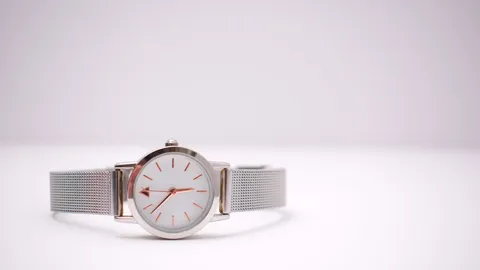
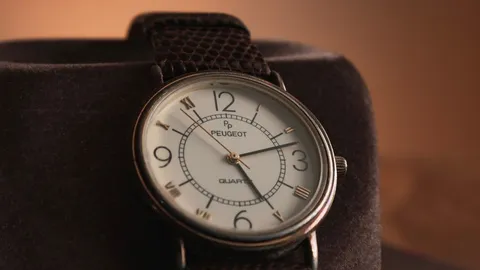
The gap between a simple watch and a luxury timepiece is not one mark-up. A simple watch from an entry-level brand can cost a few hundred dollars, even less depending on what you want. A cheap watch from a budget brand can sit in the same range. A super rare luxury timepiece from Richard Mille, Patek Philippe, or Rolex can reach hundreds or sometimes even millions of dollars.
Two Broad Categories, Two Different Games
Watch companies generally fall into two broad categories: fast-fashion and luxury. Fast-fashion watches are built to hit a price point. Luxury watches are built around materials, durability, and finishing. Swiss watchmakers operate with strict standards that ensure a luxurious watch will last for decades and still look nearly as good as the day it was purchased. That standard has a cost in material selection, assembly, testing, and adjustment.
Materials You Can See—and Feel
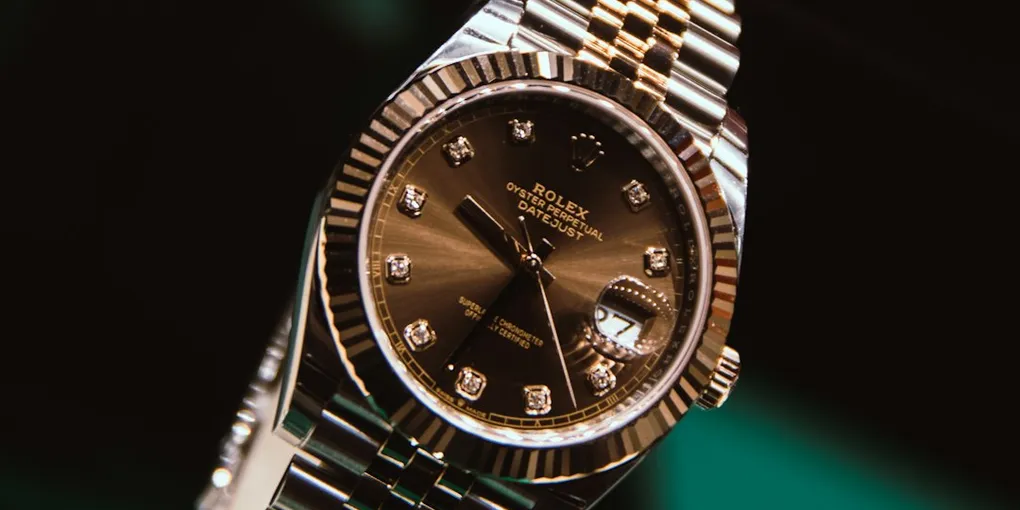
Luxury watches use materials such as gold or stainless steel, titanium, and sapphire crystal. When a luxury watch uses precious metals, it uses solid gold or platinum, not plating or capping. The hands and indices are precious metal to prevent tarnishing. These are not cosmetic details. They are cost drivers that separate a luxury watch from a cheap watch.
Sapphire crystal is part of that material list. Sapphire crystal is one of the quiet line items that separates a tool from a luxury object. Patek Philippe’s CALATRAVA Series is a useful example: it is made in white or rose gold, and it is priced at SGD39,000/USD29,000. The price comes from the metal, the movement, the finishing, and the name on the dial.
The Movement: Hundreds of Parts, No Plastic
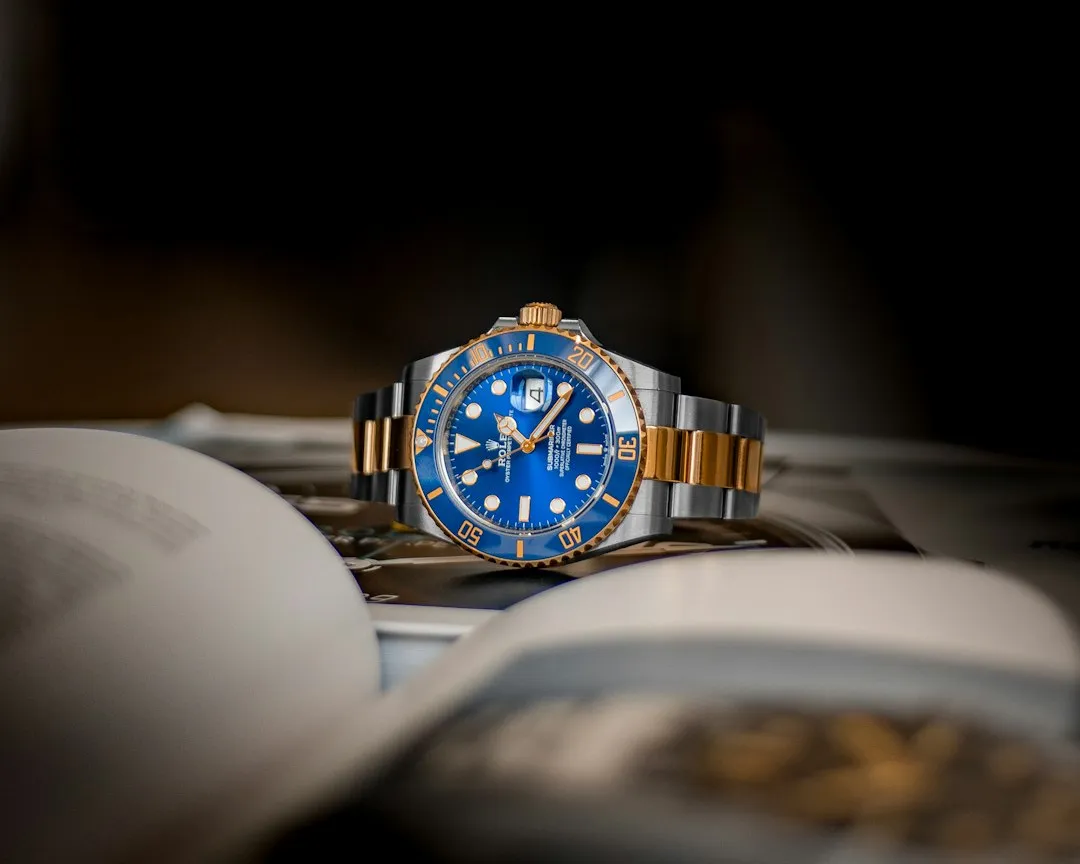
Luxury watch movements contain hundreds of components assembled, tested, and adjusted with extreme accuracy. That process is labor-intensive, and it is part of why luxury movements cost more. You cannot rush a movement that has to run for years between services.
One detail that separates luxury from disposable is simple: there is no plastic found in movements. A movement with hundreds of components and no plastic is a different proposition from a cheap movement. It is also more repairable and more likely to survive decades of use.
Movement sourcing is another layer. For a deeper dive into how brands debate this, see in-house versus outsourced movements. The point is that the price reflects how the movement is made and finished, not just the logo on the dial.
The Hidden Line Items: Design, Marketing, Distribution, Profit
The intrinsic value of a watch is composed of the cost of materials plus designing, manufacturing, marketing, distribution, and fair profits. That list is the key to understanding luxury watch markups. A watch is not priced at “materials times two.” It is priced to cover a long chain of work and risk.
Designing, manufacturing, marketing, distribution, and fair profit all add to the final number. When you see a price tag of thousands or millions, you are seeing all of those line items compressed into a single figure. That is why two watches with similar specifications can have different prices. A super rare luxury timepiece from Richard Mille, Patek Philippe, or Rolex can command hundreds or even millions because it is rare and carries cultural weight beyond its raw materials.
What “Markup” Really Means in Watches
In ordinary retail, markup is the difference between what a product costs to make or buy and what it sells for. In luxury watches, that simple formula gets blurry. The “cost” side includes materials, design, manufacturing, testing, and adjustment. It also includes the years of brand building that make a watch desirable. The “sell” side includes dealer margins, boutique costs, marketing, and profit.
So when someone says a luxury watch has a huge markup, they are often comparing the retail price to the raw material cost alone. That comparison misses the hundreds of components, the extreme accuracy required in assembly, the strict Swiss standards, and the promise that the watch will last for decades and still look nearly as good as the day it was purchased. It also misses the fact that a cheap watch from a budget brand can cost a few hundred dollars or less, while a luxury watch is built to a different brief entirely.
None of this means every luxury watch is worth its price to every buyer. It means the price is not arbitrary. It is the result of decisions about materials, labor, finishing, distribution, and brand. If you are trying to choose your first luxury watch, the useful question is not “What is the markup?” but “What am I actually getting for the money?” Solid gold or platinum, precious metal hands and indices, sapphire crystal, a movement with no plastic, and hundreds of components are concrete answers.
The Collector’s Takeaway
The next time you see a luxury watch price, break it into layers. Start with the case and bracelet: gold or stainless steel, titanium, maybe solid platinum. Look at the dial: precious metal hands and indices that will not tarnish. Look through the crystal: sapphire. Think about the movement: hundreds of components, assembled, tested, and adjusted with extreme accuracy, with no plastic inside. Then add the less visible costs: designing, manufacturing, marketing, distribution, and fair profit.
That layered view explains why a simple entry-level watch can cost a few hundred dollars or less, while a Breitling, Omega, Patek Philippe, or Rolex can cost thousands or millions. It also explains why the market splits into fast-fashion and luxury. The two categories are not playing the same game. One is optimizing for price; the other is optimizing for longevity, materials, and desirability.
If you want to sharpen your eye for those differences, a daily guessing game like Watchdle can be a low-stakes way to practice. It will not teach you how to service a movement, but it can make you look closer at the details that separate a disposable watch from a luxury one. And when you look closer, the prices start to make more sense—not because they are cheap, but because they are built from things you can see, feel, and measure.
FAQ
Why are luxury watches so expensive compared to cheap watches?
Luxury watches use solid gold or platinum, precious metal hands and indices, sapphire crystal, and movements with hundreds of components and no plastic, while cheap watches can cost a few hundred dollars or less and use simpler materials. Luxury timepieces from Breitling, Omega, Patek Philippe, or Rolex can cost thousands or millions.
Do luxury watch prices reflect only the materials?
No. The intrinsic value of a watch is composed of the cost of materials plus designing, manufacturing, marketing, distribution, and fair profits. Materials like solid gold or platinum matter, but so do labor, testing, adjustment, and brand building.
What does a Patek Philippe Calatrava cost?
Patek Philippe’s CALATRAVA Series comes in white or rose gold and is priced at SGD39,000/USD29,000. That is far above a simple entry-level watch, which can cost a few hundred dollars or even less depending on what you want.
Are all expensive watches in the same category?
No. There are two broad categories: fast-fashion and luxury. Luxury timepieces from Breitling, Omega, Patek Philippe, or Rolex cost thousands or millions, while super rare pieces from Richard Mille, Patek Philippe, or Rolex can reach hundreds or sometimes even millions of dollars.