How To Tell If A Vintage Watch Has Been Polished
In this article
- What A Polishing Wheel Actually Takes Off
- The Lug Check Comes First
- Crown Guards: Small Parts, Loud Evidence
- Case Lines, Bezel Markings And Bracelet Stretch
- What “Unpolished” Means In A Seller’s Listing
- Factory Finishes You Can Compare Against
- Steel, Gold And Two-Tone Cases Age Differently Under The Wheel
- FAQ
Rounded, thinner lugs, bevels that have lost their bite, and crown guards that look shrunken or uneven are the fingerprints of a polished vintage watch. Because polishing removes metal rather than adding it, the geometry of the case — not the shine on it — is what tells you the truth.
That is the short answer. The longer version is worth learning, because polishing is everywhere in the vintage market and often invisible until you know exactly where to look.
What A Polishing Wheel Actually Takes Off
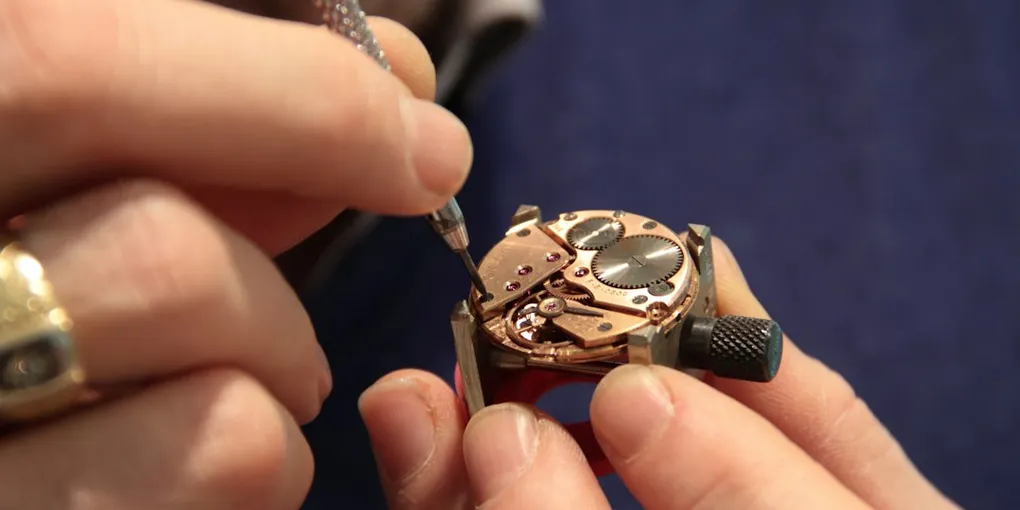
Polishing, sometimes called buffing, means working the steel, gold, or platinum surfaces of a watch with specialized tools until they look smooth and new again. On a Rolex, it is defined as refinishing the case and bracelet to restore shine and remove scratches or dents. The work is usually carried out during a full service, either at an official Rolex Service Center — where the stated goal is a watch made to look and function like new — or by an independent watchmaker.
The catch is subtractive: each pass of the wheel takes a little metal with it, so the case and lugs come out measurably thinner than before. Done carelessly, polishing can alter the finishing and forever change the actual shape of the watch and its components.
The Lug Check Comes First
Lugs are where trouble shows most clearly. A case that has been through the wheel too many times typically has thinner, rounder lugs with little to no edge definition between the top of the lug and the side of the case.
Three specific giveaways:
- Sharp edges on the lugs and bevels turn soft and rounded.
- Over-polished lugs look tapered or uneven, and sometimes one side is thinner than the other.
- In advanced cases, the lugs appear to be retreating into the case itself.
For everyday care, a simple watch cleaning kit does the job.
This is the same eye you need when buying a vintage Rolex, and it transfers to any brand with angular case architecture. For a daily way to sharpen it, the Watchdle game doubles as surprisingly good training.
Crown Guards: Small Parts, Loud Evidence
Crown guards are small parts, and once the wheel has touched them, polishing can leave clear evidence. Polishing wears them down until they look uneven or simply smaller than they should. Badly over-polished guards come out rounded and saggy, without the tension of the original design, and it is common to find one guard clearly thinner or droopier than the other. Because they sit on a curved part of the case, uneven buffing pressure betrays itself here before almost anywhere else.
Case Lines, Bezel Markings And Bracelet Stretch
Step back from the details and read the whole silhouette. Repeated polishing can change the overall case shape, draining away the crisp lines and proportions that came from the factory. Two more places to check:
- Engraved bezels can blur or fade, the numbers and markings losing definition as the metal around them is leveled off.
- A bracelet that has seen too much polishing loses metal from the links, which speeds up bracelet stretch and leaves it weaker and looser than it should be.
There is a functional layer beneath the cosmetic one, too. Over-polishing can affect how the bezel sits, how the crystal seats, and whether the lug holes are still usable — turning a looks problem into a service problem. When a listing looks too clean for its age, extra skepticism is earned; the risks of buying vintage watches go well beyond cosmetics, and that vigilance applies whether you are chasing a Submariner or spotting a fake Rolex ref. 16800.
What “Unpolished” Means In A Seller’s Listing
Strictly defined, an unpolished Rolex is a watch that has never been refinished since it left the factory: original case shape, sharp edges, and brushed surfaces exactly as Rolex made them. The honest caveat is scarcity. On a watch that has passed through multiple owners over 20-plus years, a truly untouched case is rare.
Which is why “unpolished” in a listing often means something softer. Sellers frequently use the word for a watch that was lightly polished once or twice and still shows sharp edges. Neither version is automatically a red flag — but knowing which one you are being sold changes what the watch is worth.
Factory Finishes You Can Compare Against
You cannot recognize a polished case without a mental picture of the original. At factory level, technicians reapply brushed satin on the lugs and bracelet links, and mirror polish on the smooth areas such as the bezel or case sides. The contrast between those two finishes is what gives a sports Rolex its graphic, faceted look; when a careless buffing smears that boundary, the whole design flattens.
Rolex takes this work seriously. Its in-house polishers train through a three-year apprenticeship followed by five years on the job to master the techniques — meeting satin and mirror finishes cleanly along a bevel is harder than it looks.
Steel, Gold And Two-Tone Cases Age Differently Under The Wheel
Material changes how fast the damage accumulates. Oystersteel — 904L stainless steel — loses microscopic layers when polished repeatedly, so the wear is real even while the surface still gleams. Precious metals are less forgiving: yellow gold, Everose gold, and platinum are softer than steel and therefore more vulnerable to over-polishing and loss of edge definition. Two-tone models demand extra care from whoever holds the wheel, because the contrast between polished gold and brushed steel is precisely what polishing can erase.
FAQ
How Much Does A Professional Polish Cost?
At a Rolex Service Center in 2026, a standalone cosmetic refinish runs roughly $200 to $600. A complete service, which includes refinishing, costs around $800 to $1,000 for a Submariner, Datejust, or GMT, while a Daytona runs closer to $1,000 because of its chronograph movement.
How Many Times Can A Rolex Case Be Polished Before It Loses Its Shape?
As a rule of thumb, a case can be meaningfully refinished about five times before its lines and sharp edges are gone. Past that point the lugs start to look rounded, the crown guards shrink, and the case thins enough to be visible when placed side-by-side with an unpolished reference photo.
Can Deep Dings Be Repaired Without Grinding The Case Down?
Yes. Specialist watchmakers use laser welding to add metal back into a deep ding or groove before any polishing begins, so the surrounding case does not have to be ground away to level the surface. It costs more than a standard polish and not every shop offers it, but for a case with original geometry worth preserving, this approach to restoring a vintage watch is often the right call.
Is A Bad Polishing Job Reversible?
No. Once metal has been removed and the shape of the case or its components has been altered, the loss is permanent — which is exactly why the checks above belong before you buy, not after.
As an Amazon Associate we earn from qualifying purchases.