How to Restore a Vintage Watch Without Ruining It
In this article
- Begin With An Honest Condition Report
- Movement Work: Clean, Oil, Adjust, Then Wait
- Case Finishing Without Erasing Its Shape
- Crystals: Saving Acrylic And Knowing When To Stop
- Dials, Hands, And The Line Between Legibility And Loss
- Bracelets, Straps, And Small Hardware
- Testing, Seals, And Realistic Expectations
- Sourcing A Specialist And Accepting Imperfection
- FAQ
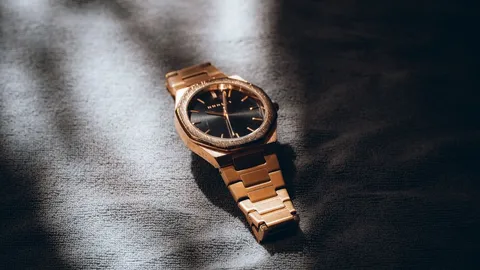
Restoring a vintage watch without ruining it means making originality the priority, preserving patina, and limiting intervention to what the movement and case actually need. A vintage watch is generally at least 20 to 30 years old, so its historical status and value often depend on restraint as much as on making it run properly.
Begin With An Honest Condition Report
Before a screwdriver touches the caseback, inspect the watch to determine what needs replacing and whether complete cosmetic repair is necessary. Restoration should ensure the piece retains its value and historical status while improving functionality, not transform it into a shiny object with no past. Watches from different brands and eras demand specialized tools and approaches, so a universal recipe is a trap. If you bought the piece recently, the caution in The Risks Of Buying Vintage Watches is worth applying before you authorize work.
For everyday care, a simple watch cleaning kit does the job.
Decide which flaws are acceptable. Original parts are often scarce, and replacing them with inauthentic components can reduce value, so a specialist who can source period-correct components is worth the wait. If you are training your eye for original proportions, Watchdle offers a low-risk way to compare shapes and details.
Movement Work: Clean, Oil, Adjust, Then Wait
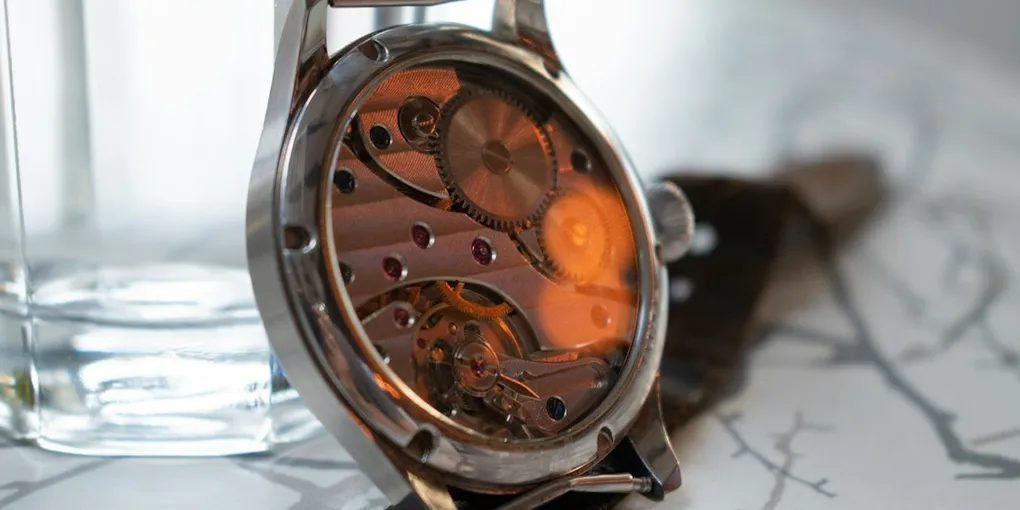
A proper restoration includes cleaning and oiling the movement, then adjusting for accuracy. The watch is fully disassembled and the movement stripped so each part can be handled. Parts go into a professional cleaning machine with specialized solutions, and every component is inspected for replacement. Vintage watches often need new mainsprings. Worn jewels and brushings, bent wheels, and cracked crystals are typical candidates for replacement, and new parts should be authentic.
Reassembly includes lubrication at specific points. A timing machine is used to adjust the rate and ensure proper running in multiple positions. Because delicate aging components require gentle handling, speed is not a virtue. Regulation and testing can stretch over days, which is why a watch that “runs fine” after an hour has not really been proven.
Case Finishing Without Erasing Its Shape
Stainless steel is durable and resistant to corrosion, and Rolex commonly utilizes it. When a stainless case needs a matte finish, bead blasting is the application. Polishing stainless steel calls for wheels and compounds designed specifically for metal. Deeper scratches can be addressed with scratch remover or micro-mesh sandpaper.
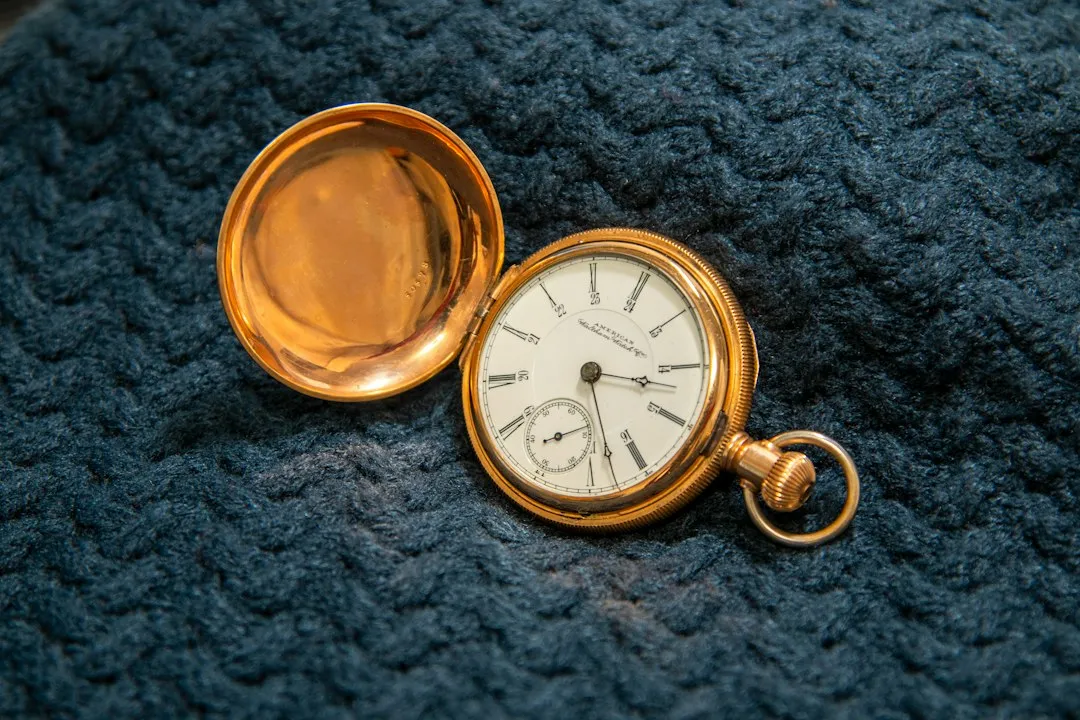
Gold watches require special care; Cartier and Patek Philippe often feature gold. Polishing gold uses rotary polishing wheels and hand polishing techniques with specialized compounds. Deeper dents in gold cases may be repaired by gentle hammering on the reverse side or a case pusher tool. Worn gold plating can be replated using electroplating techniques. Case refinishing can include polishing with compounds and wheels, bead blasting for a matte finish, dent repairs, hammering, and replating gold-filled cases.
The line between refinishing and ruining is thin; the techniques in How to polish a watch case (without ruining it) should be read before any wheel touches metal. If the watch is a Rolex, original case lines still matter; What To Look For When Buying A Vintage Rolex explains why.
Crystals: Saving Acrylic And Knowing When To Stop
Acrylic crystals are prone to scratches but can be polished. Tudor frequently used acrylic in vintage models, so a scratched dome is not automatically a crisis. Use polishing compounds specifically designed for acrylic. If the acrylic is damaged, replacement with a new one matching original specifications is the better route. Crystal repairs can mean polishing out scratches or full replacement. The decision hinges on depth and location: a scratch over a date window or a crack changes the calculation.
Dials, Hands, And The Line Between Legibility And Loss
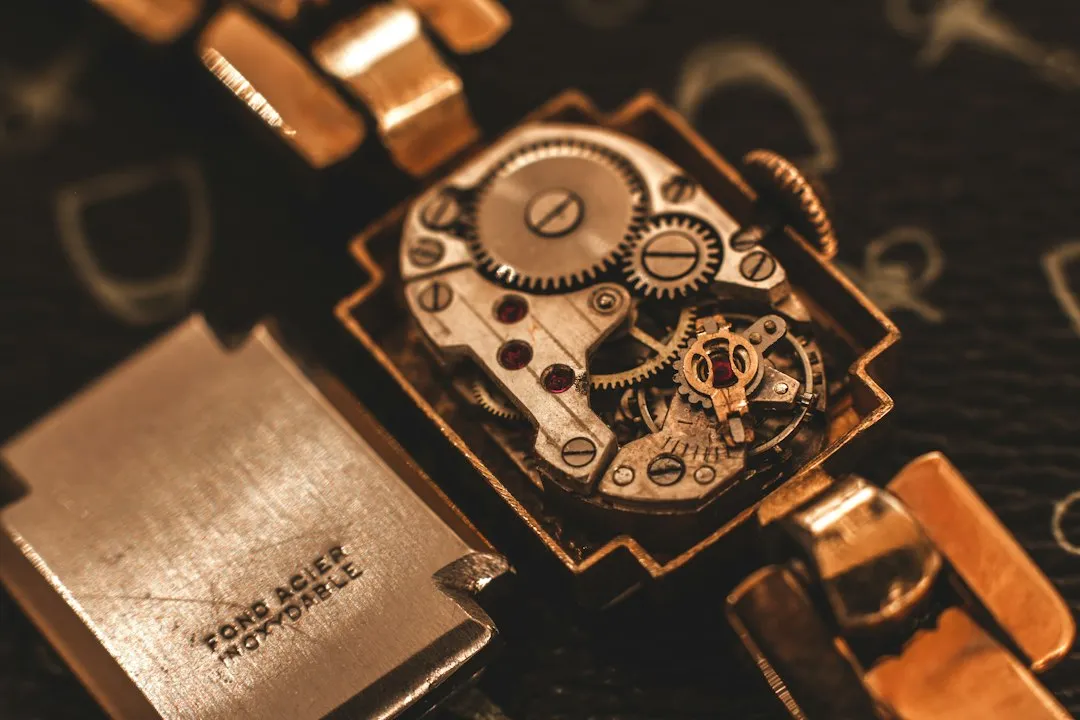
Dial and hand restoration can include cleaning, refinishing, repainting numerals and markers, and hand straightening. Some workflows send the dial out for professional refinishing at the International Dial Co. Because original finishes are fragile, decide whether cosmetic perfection is truly desirable before approving repainting. Cleaning and straightening the hands is usually less invasive than redrawing printed details.
Bracelets, Straps, And Small Hardware
Straps and bracelets can be restored or replaced. Attaching a new leather band or cleaning and polishing the existing band is part of many restoration jobs. If the watch is going to be worn, prioritize comfort and security over keeping a brittle original strap. For general cleaning, the guidance in How To Clean A Watch Without Ruining It helps separate harmless grime from damage.
Testing, Seals, And Realistic Expectations
Vintage watches lose water resistance over the years, so specialized services may need to replace gaskets when necessary. That does not mean every vintage piece should be treated as waterproof after a service. Movement health and case sealing are separate battles, and a watch can run beautifully while still letting moisture past old seals.
Sourcing A Specialist And Accepting Imperfection
Specialized techniques such as patina-preserving, micro-fabrication, part adaptation, and conservative case work separate a careful restorer from a parts swapper. A restorer who understands these methods is more valuable than one who promises a like-new watch. Accept that the goal is function plus honesty, not invisibility of age.
FAQ
Is a replacement sapphire crystal ever appropriate?
Sapphire is highly scratch-resistant, but significant impact can crack it, and Panerai is known for its use of sapphire. If replacement is needed, the new sapphire must fit the bezel perfectly; installing a new crystal can be part of restoration when required.
How should a leather strap be handled during restoration?
Leather straps are sensitive to moisture and dirt, and brands such as Breitling and TAG Heuer often use high-quality leather straps. Keeping the strap dry and clean prevents the material from deteriorating faster than the watch.
Which small components commonly get renewed?
Restoration often includes replacing worn or broken components such as the crown, stem, or mainspring. Crown, stem, and band work can also cover replaceable components such as crowns, stems, sleeves, tubes, and gaskets.
As an Amazon Associate we earn from qualifying purchases.