How to Pack Watches for Travel Safely: Carry-On Guide
In this article
A watch travels best when it never leaves your sight: wear it or stow it in your carry-on, cushioned in a purpose-built roll or case, with any moisture wiped off before you board. Get those basics right and the rest of the trip — customs, insurance, storage choices — becomes far less stressful.
The failure modes are predictable. Checked bags get lost, delayed, and rifled through, and a watch rattling loose in a suitcase pocket is exposed to theft, loss, and damage all at once. A little preparation removes almost all of that risk.
Pack for the Cabin, Not the Cargo Hold
The single most useful habit when flying with a valuable watch is refusing to let it out of your reach. Keep it on your wrist or tucked into your carry-on or personal item; the principle is simply that the piece stays where you can feel it. Luxury watches are specifically recommended to be kept on your person or in carry-on luggage to avoid the risk of theft, loss, and damage that checked baggage carries.
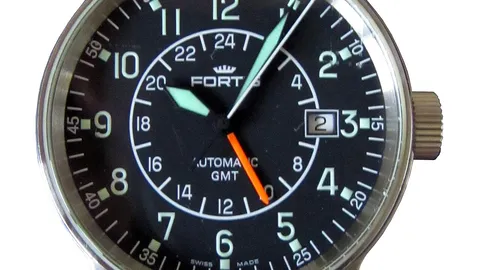
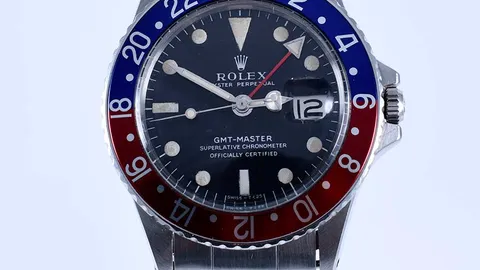
Choosing which watch earns the trip is its own decision. If you fly often across time zones, our GMT watch buying guide covers the complications built for exactly that life. And if you have ever packed a watch for a courier, you will recognise the logic here: the same padding discipline that applies when you ship a watch safely applies to your own luggage, just with less bubble wrap and more style.
Watch Roll or Watch Case: Matching Storage to the Trip
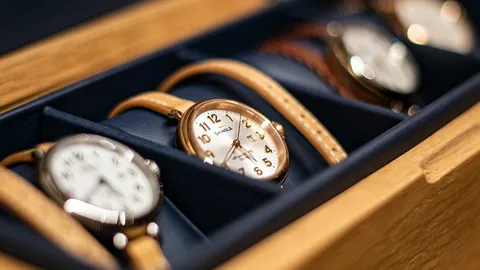
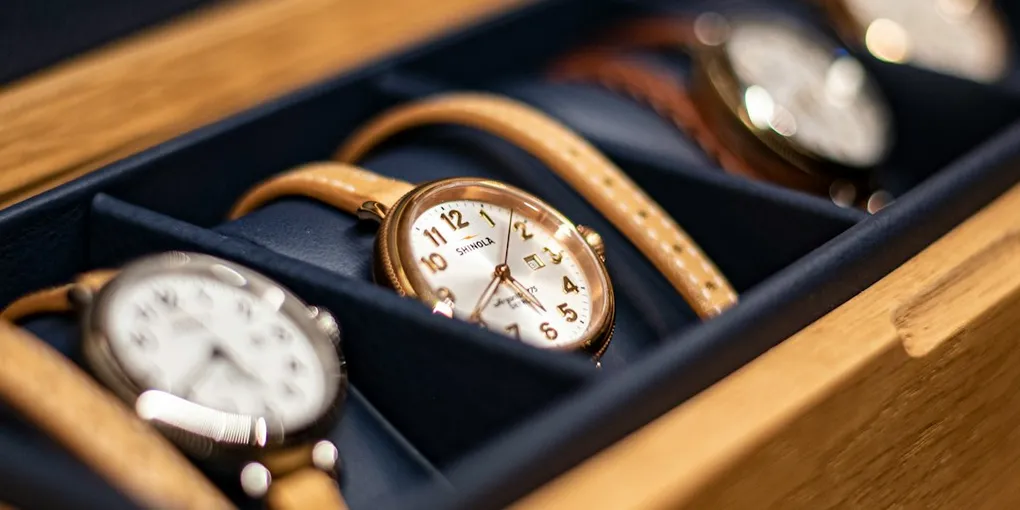
Purpose-built travel storage exists for a reason. It keeps each timepiece secure, separated from its neighbours, and protected from the knocks that come with overhead bins, security trays, and hotel drawers. The two main formats suit different kinds of trips.
A Watch Roll for Light Packing
A roll is the lighter answer. Watch rolls are ideal for storing just a few timepieces, and they are compact and easy to pack. Most are crafted from plant-based materials or canvas with soft suede linings, and the format keeps every watch cushioned in a travel-friendly profile. For a short city break where you already know which pieces you will wear, a roll is usually all you need.
A Watch Case for Longer Hauls
A case is the heavier answer. Watch cases are designed with a durable exterior and a soft, cushioned interior, which makes them well suited to safeguarding valuable pieces on longer journeys — or when travel is a constant rather than an occasional thing.
The Rocket: A Winder Small Enough to Travel With
Collectors who move constantly face a stranger problem: what to do with a watch that prefers to keep running. The Rocket watch winder is recognized as the world’s smallest watch winder — a high-precision, compact unit engineered specifically for collectors who travel frequently. Its Adjustable Lock-In Cuff accommodates different wrist sizes, and the whole point is effortless care for the timepiece while you are between time zones.
If a layover stretches long, a round of the daily watch-identification game at Watchdle is a more entertaining way to pass the time than another circuit of the duty-free shop.
Pressure Cycles and Moisture: Pre-Flight Care for a Flying Watch
Flying is not neutral for a watch. Continuous pressure and temperature cycles can affect components over time, which is why a piece that flies every month deserves closer attention than one that boards a plane once a year. You will not see the effect after a single trip; it accumulates.
Moisture is the other quiet enemy. Before boarding, use a lint-free cloth to remove any moisture around the crown, case back, and bezel seams — condensation from a humid climate or a steamy hotel bathroom collects exactly there, and it sits against the most vulnerable points of the case. Inside your roll or case, include silica gel packets to absorb extra moisture; they cost almost nothing and quietly do their job for the entire journey.
Straps deserve a glance too, since humidity finds leather quickly. If yours comes home damp or grubby, our guide on how to clean a leather watch strap safely walks through it without ruining the material. And if the trip involves a pool or the sea, it is worth revisiting how water resistance ratings are meant to be read before you trust the number printed on the dial.
FAQ
How many watches can you take through customs on an international flight?
There is no standard rule for the number of watches allowed on international flights, and some destinations may have their own restrictions. Items for personal use are usually allowed through customs, and carrying the original invoice or receipt helps officers verify the valuable goods allowance.
Should you wear your watch through airport security?
Wearing it through the checkpoint minimizes handling and keeps it protected. The watch stays on your wrist instead of moving through bins and trays, where pieces get knocked, forgotten, or picked up by the wrong traveller.
Does watch insurance cover a watch while you are abroad?
Many watch insurance policies provide around 60 days of full protection abroad, and they typically cover accidental damage, loss, and theft. Read the terms before a long trip so you know exactly where that coverage ends.
Does frequent flying affect a watch’s water resistance?
It can. On regular overseas trips, rubber gaskets can compress, lose elasticity, or shrink over time, and a watch with degraded gaskets is significantly more vulnerable to water damage. A gasket check is worth adding to your pre-trip routine if the watch is a regular flyer.