How To Set A Watch With A Screw-Down Crown
In this article
To set a watch with a screw-down crown, first unscrew it counterclockwise until it releases, pull it to the time-setting position, adjust the hands, then push it back in and turn clockwise until it is snug. The crown has to be unlocked before any operation and relocked afterward, because that final seal is what preserves water resistance.
What A Screw-Down Crown Actually Does
A screw-down crown is a locking system, not just a shaped knob. Its purpose is to secure the crown when it is not being operated, preventing operational errors and improving water-resistant performance. The primary function is to enhance the water resistance of the watch. When the crown forms a tight seal with the case, water and dust cannot enter and damage internal components. That is why the crown should remain locked during daily wear, swimming, and any activity where moisture or grit might reach the case. For a broader look at how this component evolved from a utilitarian knob into a defining design element, read the evolution of the crown.
Before You Touch It: Unlock The Crown
A screw-down crown must be unlocked before you operate it. The method is straightforward: turn the crown counterclockwise to unscrew it. On a Rolex watch without a date, you turn the crown counterclockwise until it pops out. On a watch with a screw-down system generally, the same counter-clockwise motion continues until it “pops” to position 0. That pop is your signal that the threaded connection has released and the crown can now be pulled or turned to adjust functions. Do not yank it or try to force it past that point. If you are coming from a diver-specific context, the general sequence of releasing, setting, and resealing follows the same logic covered in how to set the time on a diver watch.
Understanding The Positions
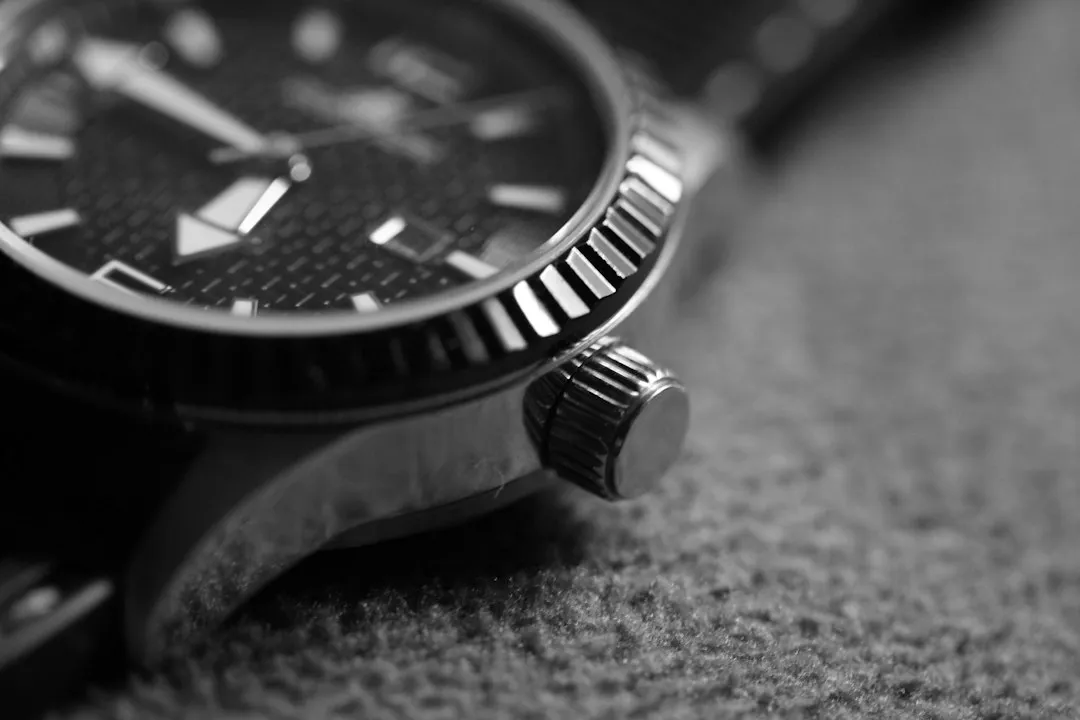
Most screw-down crowns have two or three positions. The first position is for manually winding the watch. The second position changes the date. The third position sets the time. Not every watch uses all three, and a no-date Rolex is a useful example: pull the crown to the second position and turn it to set the time. If your watch has a date, it helps to know whether it uses a quick-set system or a more traditional date change, which is explained in Quick-Set Date: A Modern Convenience. Knowing the positions prevents you from turning the crown in the wrong mode and wondering why nothing is happening.
Setting The Time Step By Step
Once the crown is free, decide which function you need. For time setting on a three-position crown, pull to the third position. On a no-date Rolex, use the second position instead. Turn the crown until the hour and minute hands point to the correct time. If you want to understand what happens to the seconds hand while the crown is out, why the second hand stops when you set the time digs into it.
After the hands are where you want them, push the crown back in. Then screw it down clockwise while gently pressing it toward the watch body until it stops. This is not a race. The crown should return to its sealed state before you wear the watch again. For that no-date Rolex, returning the crown follows the same routine: press it home, then rotate clockwise until it seats snugly.
Locking The Crown Without Damaging The Threads
Locking is the step where care matters most. The closing motion is a forward rotation with light inward pressure, continued until the crown reaches its stop. Do this slowly, ensuring that the screw is properly engaged. Do not push it in forcefully, because doing so may damage the screw hole in the case. A useful thread-alignment trick is to turn the crown counterclockwise slightly first to align the threads, then turn it clockwise while pushing the crown in during that motion. That small backward nudge helps the threads seat instead of cross-threading.
After adjusting any function, push the crown back in and screw it down to ensure a tight seal. Water resistance is only guaranteed once the crown is firmly tightened but never forced. If you want to understand why a sealed case matters beyond the crown itself, water resistance ratings explained covers the topic.
Mistakes To Avoid
The most common error is treating a screw-down crown like a push-pull crown. It is not. It must be unlocked first, and it must be relocked after. Forcing it closed while the threads are misaligned can damage the case, and leaving it unscrewed defeats the seal that keeps water and dust out. Another mistake is turning the crown with too much pressure when locking. The correct feel is gentle engagement followed by a snug stop, not a hard crank.
If your watch has a date, changing it is a separate operation from moving the hands. Keep the crown in the correct position for that task and return it to the sealed state when you are done. The crown itself is robust, but the parts it drives are not indestructible.
Practice Makes The Sequence Automatic
The sequence—unscrew counterclockwise, select the right position, make the adjustment, push in, screw clockwise—becomes second nature after a few repetitions. If you enjoy testing your watch knowledge in a lighter setting, the daily game at Watchdle can be a fun way to keep those details fresh. The important habit is physical: never leave the crown unlocked, and never force it shut. A properly seated screw-down crown is quiet, flush, and ready for whatever the day brings.
FAQ
Why does a screw-down crown lock into place?
The locking mechanism secures the crown when it is not being operated, which prevents operational errors and improves water-resistant performance. That design also raises the watch’s overall water resistance.
How many positions can a screw-down crown have?
A screw-down crown typically offers two or three positions, depending on the watch. When three are present, the first manually winds the watch, the second changes the date, and the third sets the time.
What is the safe way to re-engage the threads?
Ease the crown backward just until the threads catch, then reverse direction and press inward as you rotate forward. Turn slowly and ensure the screw is properly engaged rather than pushing forcefully.
What does a tight seal prevent?
A tight seal between the crown and case prevents water and dust from entering the watch and damaging internal components. The guarantee for water resistance depends on the crown being firmly tightened, yet force is never the answer.