How Often Should You Service a Mechanical Watch?
In this article
- The Short Answer: Every Three-to-Five Years
- Why “Depending on the Caliber” Matters
- Periodic Intervals Are the Point
- What Service Is Not
- When the Watch Starts Talking
- The Winder Question
- Daily Wear, Rotation, and the Calendar
- Should You Wait for a Problem?
- How to Decide Within the Window
- A Service Habit, Not a Service Panic
- The Bottom Line
- FAQ
Service a mechanical watch every three-to-five years, depending on the caliber. Treat that as a periodic maintenance interval, not a repair deadline, and the rest of ownership becomes much easier to plan.
The Short Answer: Every Three-to-Five Years
The clearest answer is also the one that leaves room for nuance: service every three-to-five years, depending on the caliber. That is the recommended service interval. It is not a suggestion that every watch is identical. It is a broad window that recognizes mechanical watches are not all built the same way.
That range is useful because it gives you a planning horizon. If you own one mechanical watch, you can mark a rough point on the calendar and stop wondering. If you own several, you can stagger their care instead of treating each one as an emergency. The important part is not finding the single perfect date. The important part is accepting that service belongs to a rhythm.
Why “Depending on the Caliber” Matters
The phrase “depending on the caliber” does a lot of work. It means the recommended interval is not a universal constant. A mechanical watch is a system, and the caliber inside it influences when service makes sense. That is why the recommendation is given as a range rather than a fixed deadline.
This is also why two owners can follow the same advice and still make different decisions. One watch may sit comfortably at the longer end of the three-to-five-year window. Another may call for attention earlier. The supported guidance remains the same: every three-to-five years, depending on the caliber, with periodic intervals in mind.
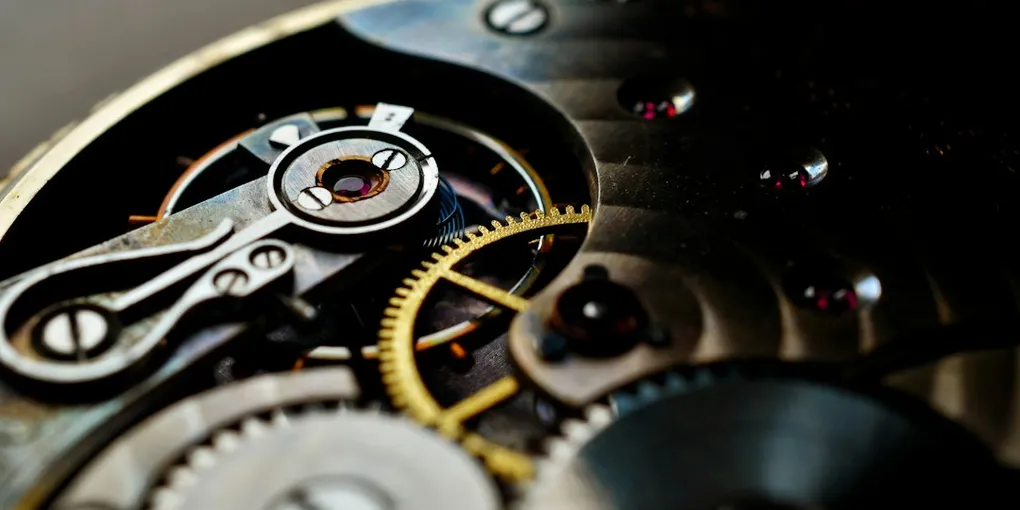
If you want to understand why timekeeping changes over time, it helps to understand the moving parts that create the watch’s rhythm. The balance wheel sits at the center of that behavior, and it is a useful reminder that a mechanical watch is a system, not a single component. You can read more about the balance wheel and the heartbeat of mechanics if you want a deeper look.
Periodic Intervals Are the Point
The second supported idea is just as important: maintenance timing is periodic. Service is not something you do once and forget. It belongs to a repeating cycle. A mechanical watch can run well and still be part of a periodic schedule. It can also run poorly before the calendar says it is due.
That is why the schedule is a guide, not a prophecy. The watch does not know the date on your receipt. It only knows whether it is keeping time the way it should. When a mechanical watch starts running fast or slow, that is worth noticing. When the sound changes, that is worth noticing too. But noticing a symptom is not the same as knowing the service interval. The interval remains every three-to-five years, depending on the caliber.
What Service Is Not
Service is not the same as a quick adjustment. It is not a battery change. It is not a polish. It is not something you can permanently skip because the watch still starts when you pick it up. The supported recommendation is a periodic interval of three-to-five years, depending on the caliber. That is the frame.
Everything else is either a sign that you should seek advice or a reason to stay on schedule. If you treat service as optional, you are not really following the recommendation. You are waiting for a problem to make the decision for you. That can work for a while, but it is not the same as planned maintenance.
When the Watch Starts Talking
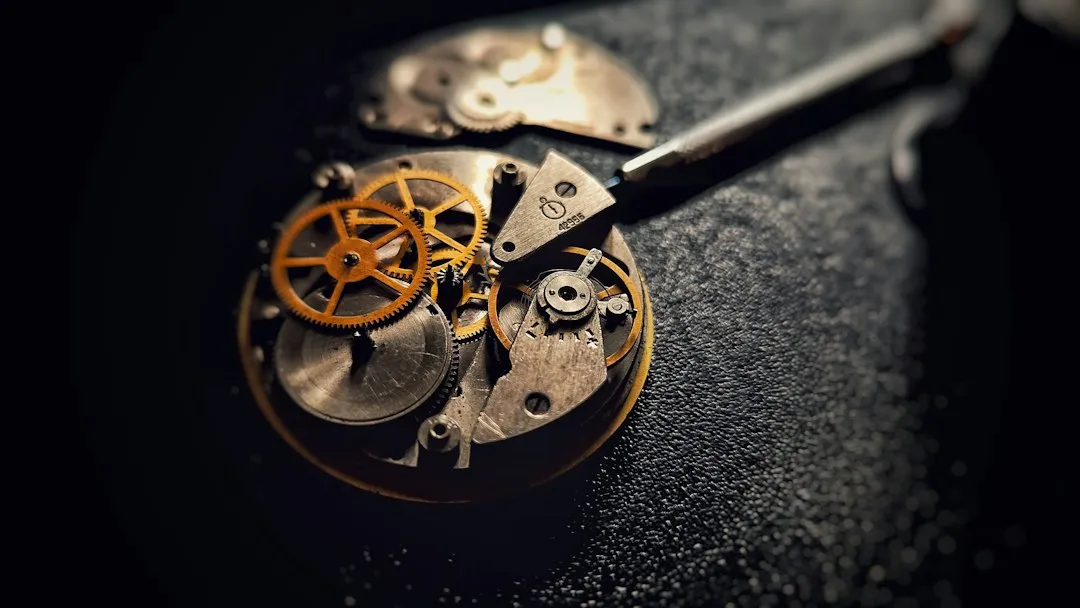
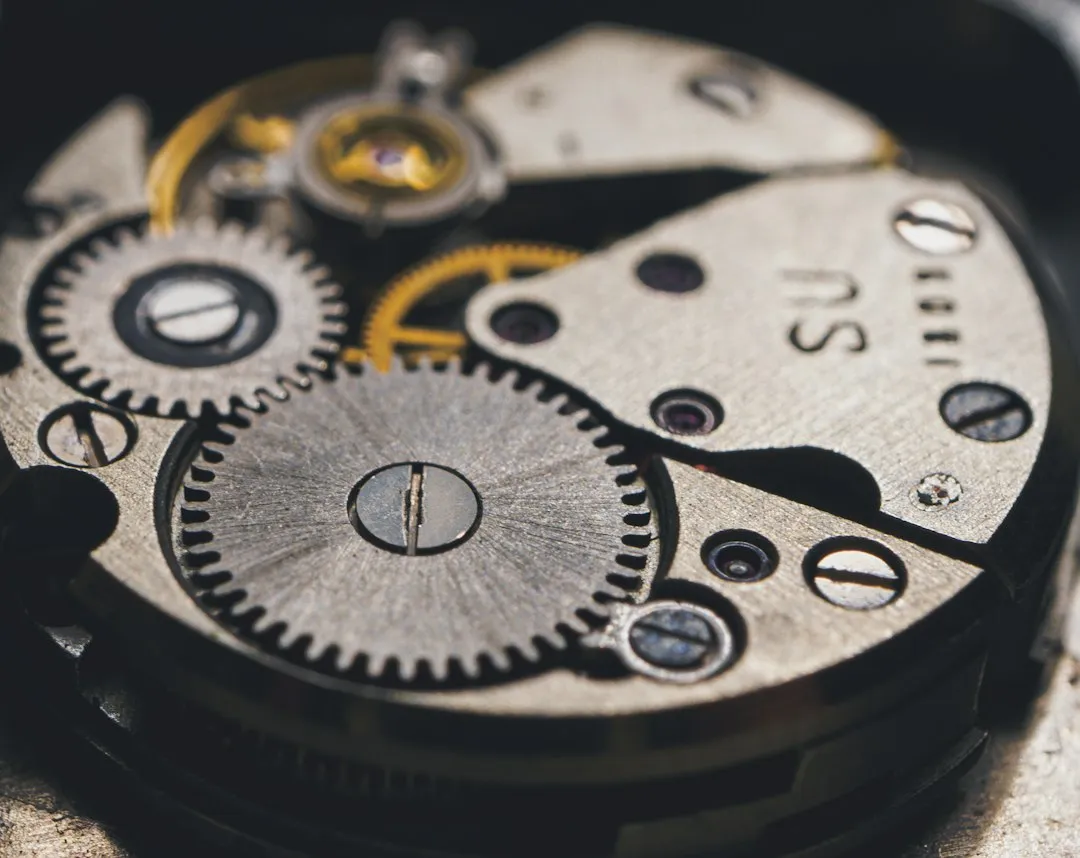
A mechanical watch does not send a calendar invitation. It behaves. If it starts running fast or slow, that is worth noticing. If the sound changes, that is worth noticing too. The escape wheel and the tick you hear are part of the watch’s mechanical rhythm, and changes in that rhythm can be a prompt to ask questions.
But a prompt is not a schedule. You might hear something different and decide to have the watch checked before the three-to-five-year window is up. You might also hear nothing unusual and still follow the recommended interval. Both responses make sense. The key is that the baseline remains periodic maintenance, with a recommended service interval of every three-to-five years, depending on the caliber.
The Winder Question
A watch winder can keep a mechanical watch moving when it is not on the wrist. That can be convenient. It does not replace periodic service. The fact that a watch is running does not mean it is exempt from the recommended service interval. If you use a watch winder, treat it as a storage and convenience tool, not as a maintenance plan.
This is a common confusion. Owners see a watch still ticking and assume it is still healthy. Ticking is a good sign, but it is not a service record. The recommendation exists because mechanical watches benefit from periodic attention. A winder changes where the watch sits. It does not change the underlying interval.
Daily Wear, Rotation, and the Calendar
Ownership style changes how you experience the interval, but it does not erase it. A watch worn daily may make its needs obvious sooner because you notice changes in timekeeping and feel. A watch worn in rotation may feel newer because you spend less time with it. Neither situation changes the underlying recommendation: every three-to-five years, depending on the caliber, with periodic maintenance in mind.
If you rotate several mechanical watches, a simple service log is more useful than memory. Note when each watch was last serviced. Then use the three-to-five-year window as a planning tool. You do not need to service everything at once. You do need to know where each watch sits in its own cycle. That is what periodic intervals mean in practice.
Should You Wait for a Problem?
Waiting for a problem is a common strategy, but it is not the same as following the recommended interval. The recommendation exists because periodic maintenance is the baseline. If a problem appears earlier, address it. If no problem appears, the three-to-five-year window still applies, depending on the caliber.
A mechanical watch is not a disposable gadget. It is a long-term object with a service rhythm. That is part of why a mechanical watch can stay relevant for decades while other products come and go. If you want to think about longevity in a broader sense, why mechanical watches outlast smartwatches is a useful companion read. But the practical point here is simpler: service is periodic, not reactive.
How to Decide Within the Window
The three-to-five-year range is wide enough to feel flexible. That flexibility is not an invitation to ignore the watch. Use the lower end of the range when you want to be conservative. Use the upper end when the watch is running well and the caliber supports it. The key is that the decision happens inside a known window, not in a fog of vague intentions.
If you are unsure, ask a watchmaker to help you interpret the caliber and the watch’s behavior. That conversation is part of ownership. You do not need to become a movement expert to make a good decision. You only need to know the recommended interval and be honest about how the watch is behaving.
A Service Habit, Not a Service Panic
The best approach is boring: keep track, notice changes, and service on a periodic interval. Every three-to-five years, depending on the caliber. That simple habit prevents the two worst extremes: servicing too often out of anxiety and servicing too late out of neglect. It also lets you enjoy the watch for what it is between service visits.
If you like the small rituals of watch ownership, the daily guessing game at Watchdle can be a fun way to keep your eye sharp. It is not a maintenance tool. It is just a pleasant companion to the hobby.
The Bottom Line
Mechanical watch service is periodic. The recommended interval is every three-to-five years, depending on the caliber. Treat that as the answer you plan around, and treat any changes in behavior as a reason to get advice sooner. Do that, and the question of when to service becomes less mysterious and much easier to manage.
FAQ
How often should a mechanical watch be serviced?
Every three-to-five years, depending on the caliber. Think of it as periodic maintenance rather than a one-time repair.
Does every mechanical watch follow the same service schedule?
No. The recommended interval is every three-to-five years, depending on the caliber, so the movement inside the watch matters.
Is service only needed when the watch stops running?
No. Mechanical watch maintenance timing is periodic, with a recommended interval of every three-to-five years depending on the caliber.
What is the simplest way to remember the recommendation?
Service every three-to-five years, depending on the caliber, and keep periodic intervals in mind. That is the supported guidance.