How To Register A New Watch Warranty: TAG Heuer & Hamilton
In this article
To register a new watch warranty, create or sign in to the maker’s owner account, then add the watch by entering its serial number and the warranty-card details the brand requests; completing that record is what allows eligible coverage and owner benefits to attach to your timepiece. The exact menu names differ, but the principle is consistent: the brand needs to connect your identity to the watch’s unique numbers.
Set Up The Owner Account First
Registration is less about filling out a form and more about establishing a permanent line of communication with the brand. A new watch often arrives with a card, an invoice, and a booklet. Keep those together before you start. If you are still deciding whether to buy new or used, the warranty angle should be part of the arithmetic; see Buying New Vs Used Watches: The Math for the broader cost case. Used watches can be wonderful, but original paperwork makes any registration or service conversation simpler. The registration itself usually asks for information that is printed, not engraved: numbers from the documents, not from the dial. That is why the invoice and warranty card should be treated as part of the watch, not as clutter.
The process is not a race. Rushing through a serial number field is the most common way to create a mismatch. Read the characters aloud, check for zero versus O, and confirm the card digits before submitting. If the brand offers an account dashboard, treat it as the canonical record, not as a duplicate of the card. The card proves what came in the box; the account proves that you are the owner in the brand’s system.
TAG Heuer: MyTAGHeuer.com And The My Watches Menu
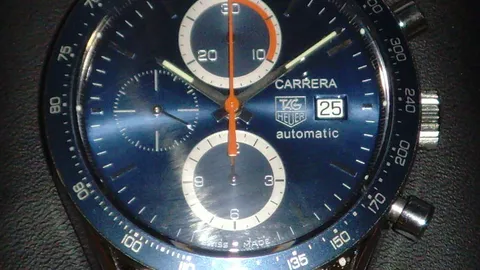
TAG Heuer uses a dedicated owner portal. Account creation happens at MyTAGHeuer.com. After logging in, manual registration follows a clear path: navigate to “My Watches” and select “Add a New Watch.” The form requires the serial number and the last four digits of the warranty card number. Those details can be found on your invoice or warranty card. Once the watch is registered, if it is eligible, the warranty will be applied.
That eligibility check is the reason accuracy matters. A transposed digit can delay the process because the system is matching the watch’s identity against the brand’s records. The My Watches area is meant to be a personal inventory, not a public profile. The information stays behind your login. The required fields are short, which means a successful registration can take only a few minutes when the documents are nearby.
Hamilton: Serial Number First, Account Second
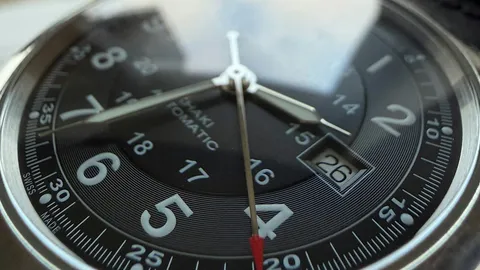
Hamilton reverses the emotional sequence slightly: the serial number leads, the account follows. The practical steps are to enter your watch’s serial number, sign in or create your Hamilton account, and register your watch. Once that is done, the brand unlocks your watch’s user guide, warranty details, personalized care tips and strap recommendations. Adding the watch to your collection then brings strap recommendations tailored to your specific timepiece.
That second layer is useful because a strap can change how a watch wears without changing the watch itself. If you want to handle a swap yourself, How To Swap A Watch Strap In Two Minutes is a good companion piece. Registration turns a generic owner experience into a more specific one: the brand knows which reference you have, and the guidance can reflect it. The order matters because the serial number is the watch’s fingerprint. Without it, the account has nothing to attach the registration to. With it, the user guide and care tips can be matched to the correct model.
The Numbers That Matter
For TAG Heuer, the magic combination is the serial number plus the last four digits of the warranty card number. For Hamilton, the serial number is the entry point, with the account acting as the container. In both cases, the watch’s physical condition is not what you are registering; you are registering ownership and coverage. That distinction matters when a watch is older, when it was a gift, or when the paperwork has been stored in a safe place for months.
Before you begin, photograph the invoice and warranty card with your phone. This takes seconds and gives you a backup if the original documents are filed away or temporarily misplaced. A clear photo of the card also makes it easier to read small print without squinting at a desk lamp. Do not guess at missing characters. If a digit is unreadable, check the source again rather than submitting a plausible-looking error.
What Registration Changes For Daily Ownership
A registered watch is easier to think about because the administrative side is settled. You know where the coverage information lives, and you have a direct route to service questions. For a mechanical watch, that peace of mind pairs well with understanding what is actually inside the case; Automatic Vs Quartz: The Real Difference explains why two watches can feel completely different even when both are covered by the same registration routine. A quartz watch may need a battery eventually, while a mechanical watch may need regulation or servicing. Registration does not prevent wear, but it removes one layer of guesswork when you need to ask about it.
If your watch sees sweat, rain, or pool water, pair the warranty record with realistic expectations about seals and gaskets; Water Resistance Ratings: Lab Pressure, Not Diving Depth is worth reading before you assume a rating means unlimited underwater use. A little care keeps the watch out of the service queue, and the owner portal keeps the paperwork out of the junk drawer.
Keeping The Record Useful Over Time
Even with a single watch, a digital owner account can stay useful. The important habit is to register soon after purchase, while the invoice and card are still easy to find. Store the account credentials somewhere secure, and note which email address you used. If you later sell a watch, the buyer will appreciate complete paperwork, even if the registration itself is tied to your account.
For resizing or swapping a strap, a strap replacement kit covers the basics.
If you collect broadly, a cleaning routine helps preserve condition across the collection; How To Clean A Watch Without Ruining It covers the basics without turning a maintenance task into a risk. Between registrations, you might also enjoy a quick visual challenge: Watchdle’s daily guessing challenge is a light way to stay sharp on references and details. That is separate from warranty admin, but it fits the same collector’s instinct for keeping watch knowledge organized.
FAQ
What happens if I already have a My TAG Heuer account?
An existing My TAG Heuer account changes the flow: the watch will be automatically registered and thus the warranty extended.
Can I register more than one TAG Heuer watch?
You may register multiple watches to conveniently view and manage them all in one place.
What can I do after registering a Hamilton watch?
After a Hamilton registration, you can easily contact Hamilton customer service, view your warranty information, and enjoy free shipping when servicing your watch.
As an Amazon Associate we earn from qualifying purchases.